
Porcelain vs Ceramic
Detailed guide to the real differences between porcelain and ceramic tiles. Find out what absorbency means, durability, floor and wall use, cost and the right choice for bathroom, kitchen and outdoor spaces.
Read More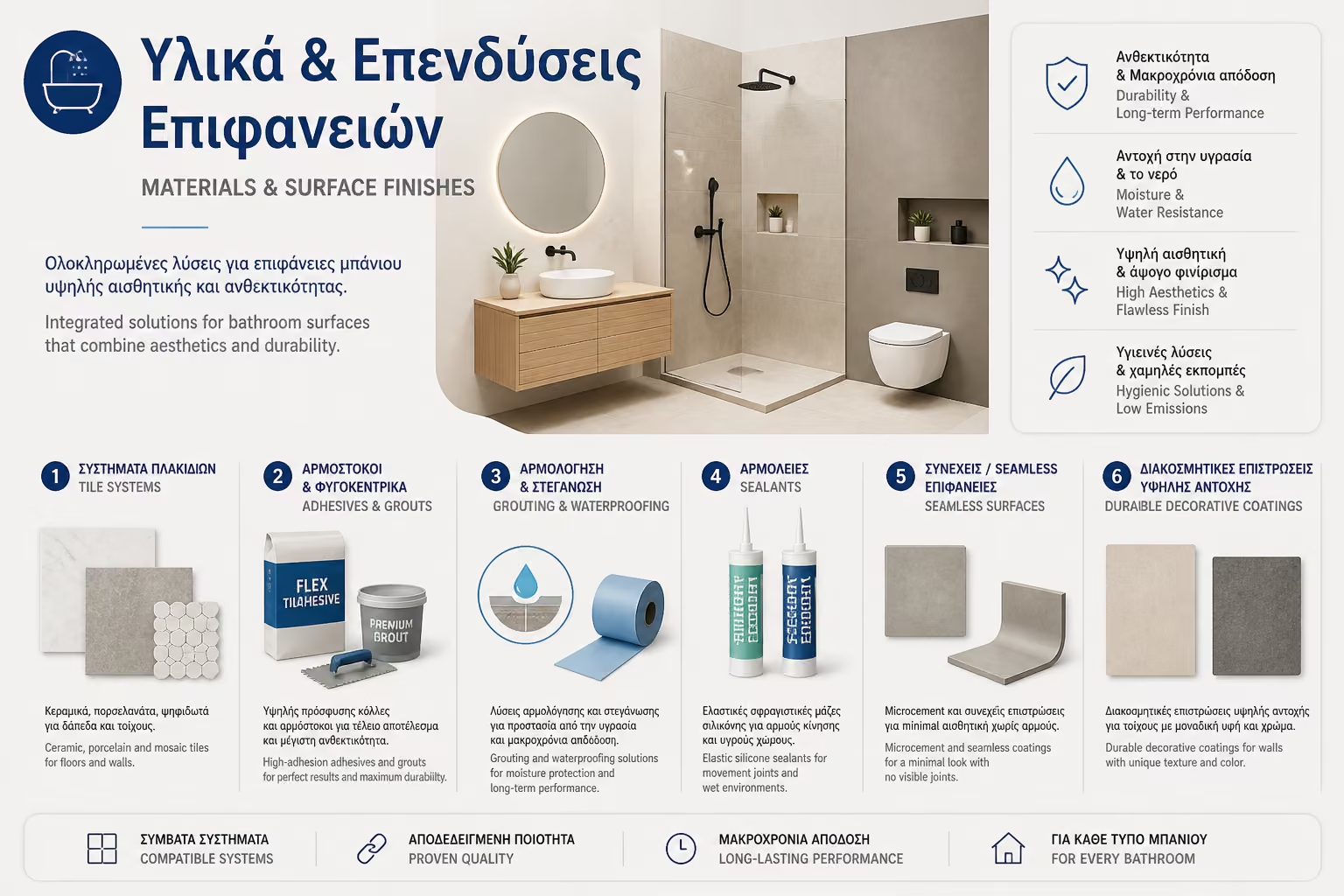
Bathroom materials define not only the final look, but also long-term resistance to moisture, daily wear and cleaning stress. This guide explores the world of finishes, from selecting the right tiles and understanding slip resistance, to evaluating modern alternatives such as microcement, SPC and LVT, along with the adhesives, grouts and coatings that make the result last.
Tiles and marble remain the most classic and proven bathroom finish choices. Here we explain the real technical differences between materials, how to select them safely and how size, finish and laying pattern change the room visually.
Detailed guide to the real differences between porcelain and ceramic tiles. Find out what absorbency means, durability, floor and wall use, cost and the right choice for bathroom, kitchen and outdoor spaces.
Read MoreDetailed guide to slip resistance indicators R9, R10 and R11 in tiles. What they mean in practice, what's the difference with A/B/C categories for bare feet and what to choose for bathroom, shower and outdoor flooring.
Read More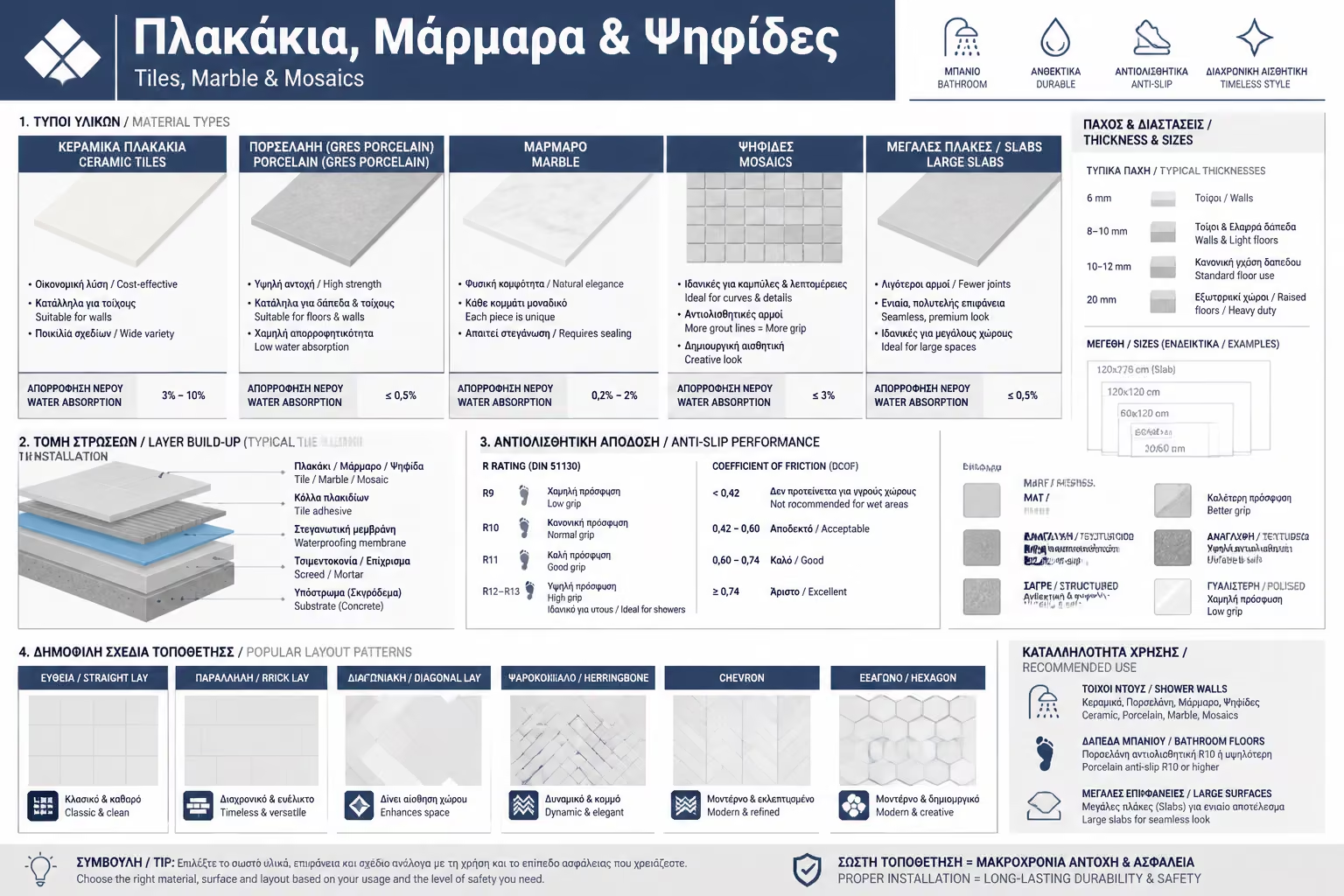
Detailed guide for large format tiles and porcelain slabs. When are they worth it, what do they offer aesthetically, because they need a perfectly flat substrate, the right glue, double coating and an experienced craftsman.
Read MoreDetailed guide to rectified tiles. What does rectified mean, why do they have more precise edges, why do they cost more, and how do they allow a fine 1–2mm joint without ever fitting without a joint.
Read MoreDetailed guide to tile finishes: matte, gloss and lappato. How they affect the image of the space, cleaning, salts, scratches and slipperiness in the bathroom, kitchen and floor.
Read MoreDetailed guide to wood-type tiles in the bathroom. Advantages, porcelain selection, installation methods, joint color, combinations with marble/cement and technical pitfalls.
Read MoreDetailed guide to natural marble in the bathroom. What you need to know about porosity, absorbency, stains, acid cleaners, waterproofing sealers, cost and proper maintenance.
Read MoreDetailed guide to marble look tiles. Why the porcelain marble look has dominated the market, what are the advantages compared to natural marble, what to pay attention to in terms of finish, joint, dimension, cost and installation.
Read MoreDetailed guide to bathroom tiles and special applications. Glass, ceramic and stone tiles, advantages, disadvantages, anti-slip, joints, cleaning and use on shower floors.
Read MoreDetailed guide to bathroom and floor tiling designs. What are herringbone, chevron, brick-bond and vertical placement, how do they change the perspective of the space and what adds to the cost.
Read MoreDetailed guide to 3D and embossed tiles in the bathroom. Where do they fit, how are they used on accent walls and behind mirrors, what problems do they create in the shower with salts, soaps and cleaning.
Read MoreDetailed guide to terrazzo in the bathroom. What is terrazzo, what are the differences between cast terrazzo and terrazzo look tile, how is it combined with modern materials, what to pay attention to in joints, cleaning, anti-slip and cost.
Read MoreDetailed guide to the correct tile calculation. How to measure square footage on floors and walls, why 10–15% grout is always needed, and what to watch for cuts, breaks, lots, and future repairs.
Read MoreWant fewer visible joints or a faster renovation without demolition? This section covers leading alternatives, from microcement and epoxy resin finishes to waterproof vinyl and wall panels.
Detailed guide for pressed cement mortar and microcement in the bathroom. Advantages, uniform surfaces without joints, modern and Cycladic aesthetics, choice of colors, waterproofing, maintenance and cost.
Read MoreDetailed guide to pressed cement mortar and microcement in the shower. Is it really waterproof? What is the role of waterproofing, 2-component polyurethane varnishes, underlayment, gradients and crack prevention.
Read More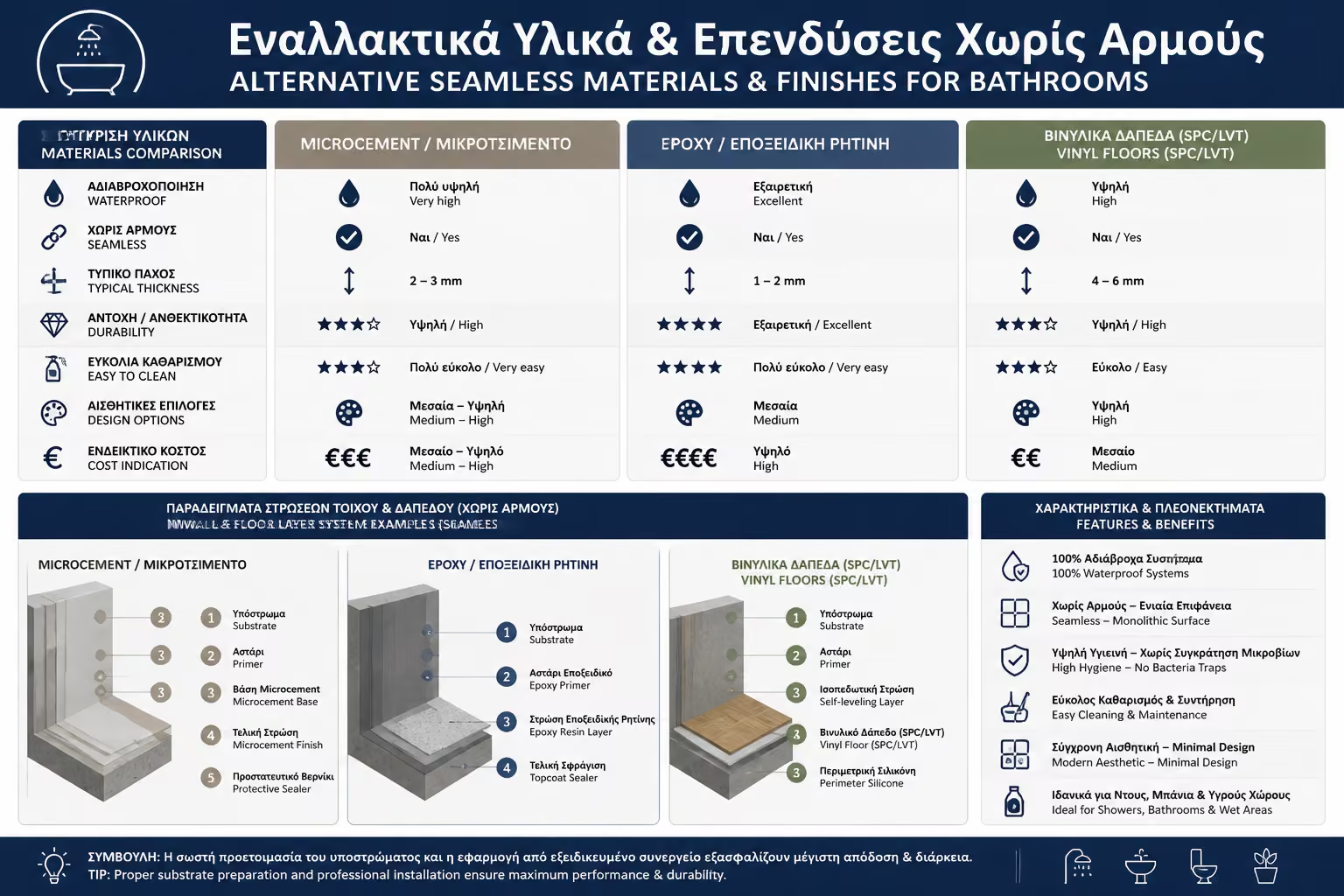
Detailed guide to residential epoxy floors and resins. Advantages, industrial aesthetics, resistance to water and chemicals, application over old tiles, anti-slip, UV yellowing, cost and technical specifications.
Read MoreDetailed guide to waterproof fiberglass and vinyl bathroom wallpaper. When they can even go inside the shower cabin, what role do special adhesives and resins play, what are the pitfalls and when is it better to choose a tile or panel.
Read MoreDetailed guide to PVC, acrylic and SPC bathroom wall panels. How do they stick over old tiles, when are they really waterproof, what to look out for in a shower, compounds, silicones, cost and lifespan.
Read MoreDetailed guide to LVT and SPC flooring in the bathroom. What does waterproof vinyl flooring mean, differences between click and adhesive, when it goes over old tiles, what to look out for in substrate, sealing, slipperiness and cost.
Read MoreDetailed guide for water-resistant laminate in the bathroom. Is there really a laminate that can withstand moisture? What to look for in joints, joints, perimeter sealing and why SPC is considered a safer choice for wet areas.
Read MoreDetailed guide to natural wood in the bathroom. Can teak and iroko withstand moisture? Where are they used correctly, what to look out for in sink counters and decking, how to do annual maintenance with oils and why wood is not a zero maintenance solution.
Read MoreDetailed guide for Corian and solid surface materials in the bathroom. Advantages, non-porous surface, invisible joints, single sinks, wall coverings, cleaning, cost and technical pitfalls.
Read MoreDetailed guide to glass bricks in the bathroom. How they are used for shower partitions, how natural light gets through, what privacy they offer, what to look for in anchoring, joints, waterproofing, weight and cost.
Read MoreDetailed guide to natural stone cladding in the bathroom. River pebbles on the shower floor, pomerite on the walls, spa feeling, anti-slip, porosity, salts, cleaning and critical sealing steps.
Read MoreStep-by-step guide to renovating without stripping: tile over tile, LVT/SPC or microcement over old flooring. What to look for in door heights, siphons, joints, adhesion primers, substrate and cost.
Read MoreEven the best tile can fail with the wrong adhesive or grout. This section covers the hidden technical layer that ensures durability, hygiene and long-term performance.
Detailed guide to codes on tile adhesives. What do C1, C2, T, E, S1 and S2 mean, which glue is suitable for ceramics, granite tiles, large formats, old tiles, bathroom, outdoor spaces and underfloor heating.
Read MoreDetailed guide to elastic tile adhesives S1 and S2. Why are they needed in underfloor heating, plasterboards, large tiles and slabs, what does deformability mean and how do we choose the right glue in the bathroom.
Read More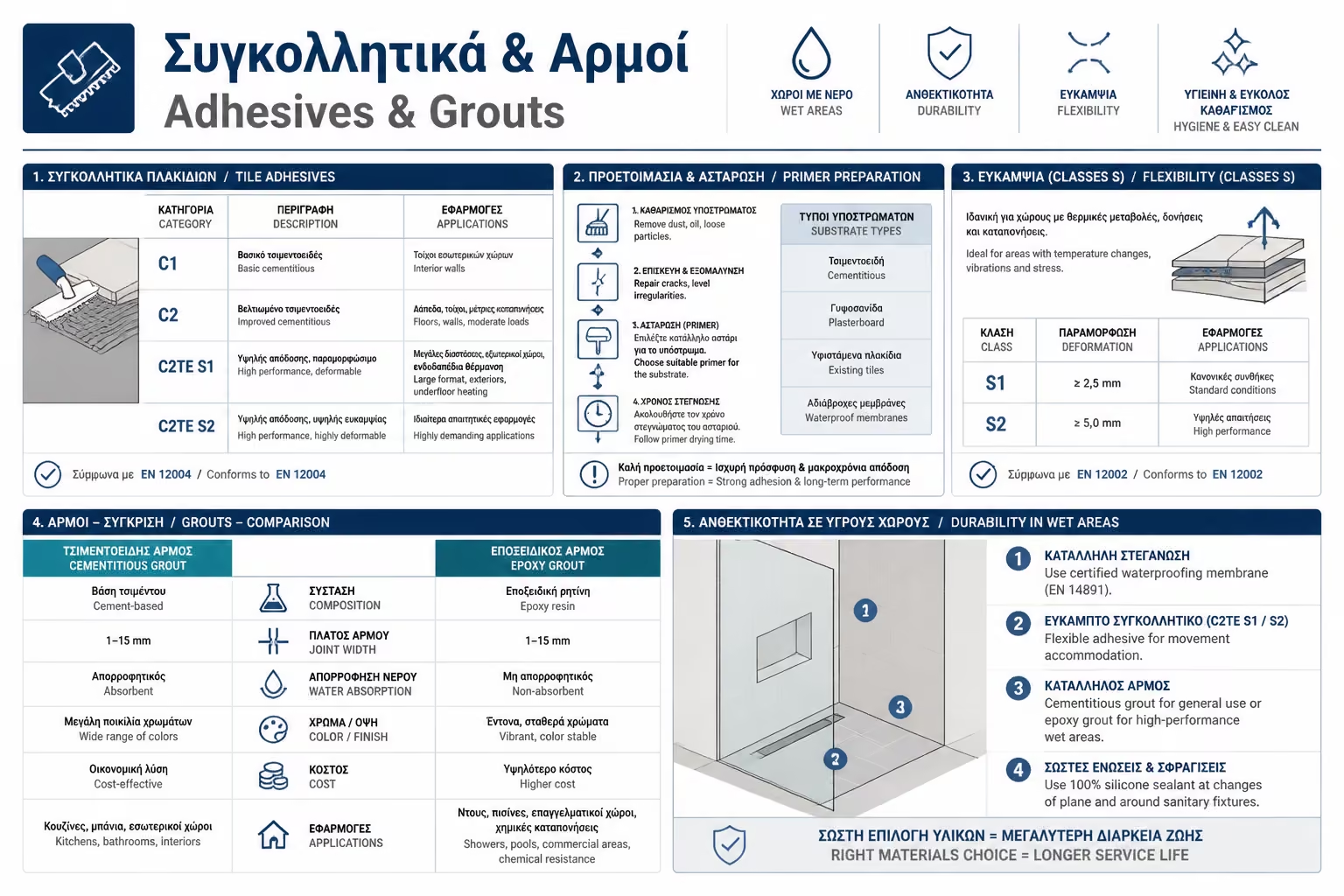
Detailed guide to cementitious tile grouts. Pros, cons, CG1/CG2 categories, DropEffect water repellency, rash prevention, proper mixing, cleaning and application in the bath.
Read MoreDetailed guide to 2-component epoxy grouts in the bathroom. Advantages, disadvantages, resistance to water, stains and mold, difference from cement joints, proper application, cleaning and cost.
Read MoreDetailed guide for choosing the color of grout in the bathroom. When do we choose tone-on-tone, when contrast, how do we achieve an "invisible" joint and which colors are more forgiving of dirt, salts and daily use.
Read MoreDetailed guide to the correct joint width in tiles. Why is it technically forbidden to install without a joint, what applies to rectified and simple tiles, what are the risks of expansion, tolerances, moisture and incorrect application.
Read MoreDetailed guide to anti-mold bathroom silicones. Difference between simple and sanitary silicone, where it is used, how to properly seal corners, sinks, basins, bathtubs and showers, why silicone turns black and how to prevent it.
Read MoreDetailed guide for polyurethane mastics and PU sealants. When are they used instead of silicone, where do they fit in expansion joints, floors and joints with other materials, what is their water resistance and what to look out for in the application.
Read MoreDetailed guide to adhesion primers before tile adhesive, self-leveling and microcement. When is a primer needed on absorbent plasterboards, cement mortars, non-absorbent old tiles, dusty surfaces and difficult substrates.
Read MoreDetailed guide to resin additives, latex and emulsions in tile adhesives, grouts and cementitious mortars. When they improve grip, elasticity and water repellency, when they should not be used and why they don't arbitrarily turn every material into waterproof.
Read MoreDetailed guide to cleaning grout residue after installation. How to remove cement joint smoke, how to clean epoxy haze, what cleaners are used, what to look out for in marble, natural stone, matte and embossed tiles.
Read MoreDetailed guide to cementitious joint protection fluids. When is grout sealer needed, how does it protect against water, dirt and salts, when is it applied, how often is it renewed and why does it not replace sealing or epoxy grout.
Read MoreStep-by-step guide to cracked or chipped tile joints. How do we tell if it's poor mixing, substrate movement, moisture under the tiles, hollow tiles or incorrect application.
Read MoreDetailed guide to tile leveling systems, wedges, clips and tile spacers. How they reduce the "teeth" between tiles, when they are needed on large tiles, what they cannot fix and how they relate to adhesive, substrate and flatness.
Read MoreColor can transform a bathroom at low cost and without demolition. Learn how to paint old tiles correctly, revive vanity furniture and choose the right protective finishes for humid conditions.
Detailed guide to painting old bathroom tiles without chipping and debris. Materials, tools, preparation, adhesion primer, epoxy or specialty tile colors, step-by-step process, drying times, and mistakes to avoid.
Read MoreDetailed guide for choosing paint on bathroom tiles. Comparison of epoxy paints, epoxy-acrylic refinishing kits and acrylic tile enamels. What withstands hot water, humidity, cleaning agents, scrubbing and daily use.
Read More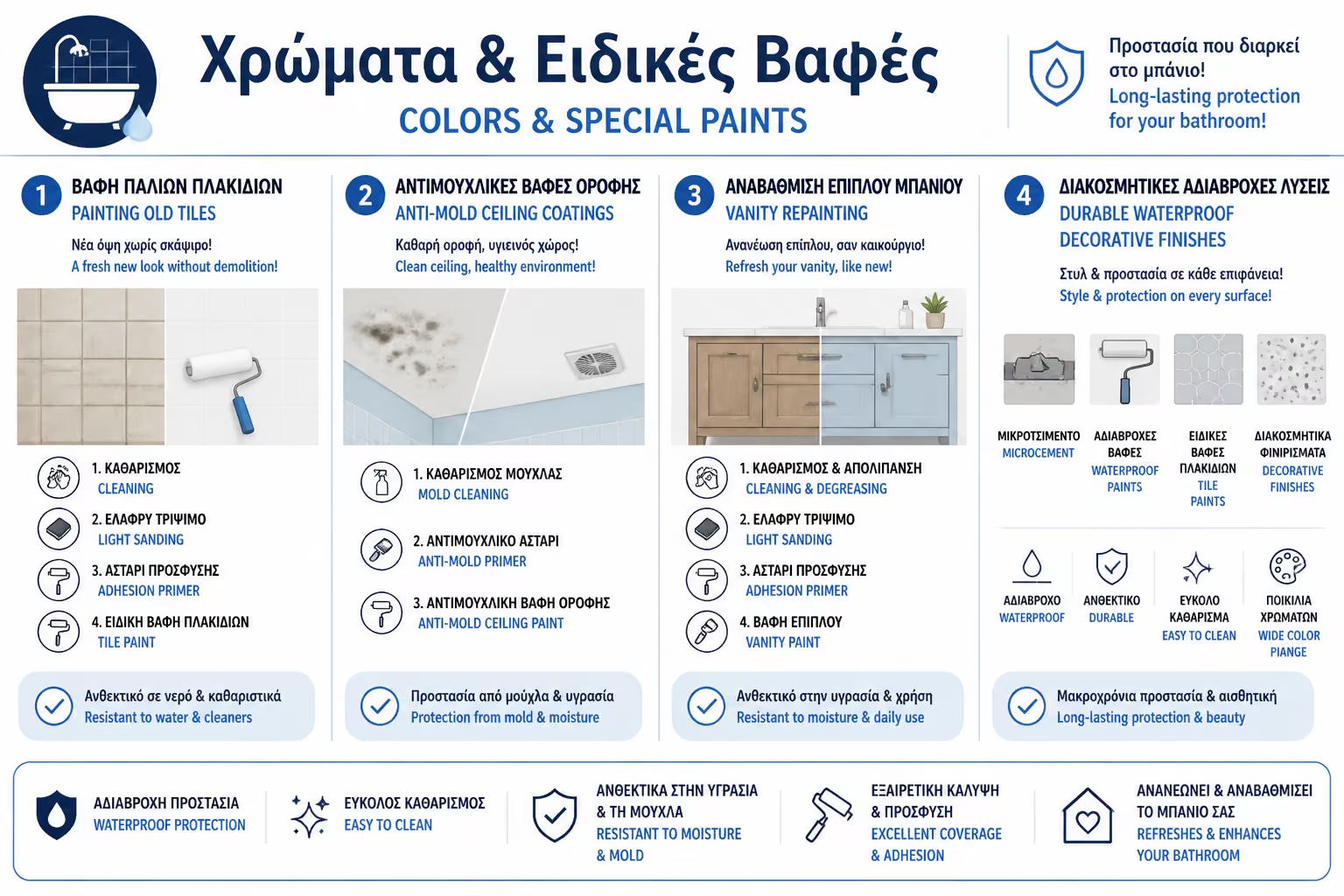
Detailed guide to anti-mould paints on bathroom ceilings and walls. How fungicide/anti-mould paints work, when to apply them, why plain plastic peels and why ventilation is still essential.
Read MoreStep-by-step guide to properly preparing walls and ceilings with mold before painting. Why you should never paint over mold, how to clean it, when to use fungicide liquids, what safety precautions are needed and when to call a professional.
Read MoreDetailed guide to adhesion primers on glossy surfaces before painting tiles. Why the paint does not stick to the enamel of the tile without proper preparation, when to use quartz primer, when to use epoxy and what mistakes lead to peeling.
Read MoreDetailed guide to enameling/renovating a bathtub and sink. When is refinishing worth it, what materials are used, how is the process done, how durable is it, if it is DIY and when is a specialist craftsman needed.
Read MoreStep-by-step guide to painting and freshening old tile joints without scratching. When to use joint marker, when to use grout colorant, how to clean black joints, what holds up in the bathroom and when regular re-grouting is needed.
Read MoreDetailed guide to painting and restoring an old MDF, melamine or wood vanity unit. When to use chalk paint, when to use ripolin or cabinet paint, which primer is needed, how to protect against moisture and what mistakes to avoid.
Read MoreA step-by-step guide to water-based clear coats, polyurethanes and 2K top coats on painted bathroom tiles and furniture. What they protect, what they cannot do, when they are needed, how they are applied correctly and why they do not make any surface 100% waterproof or indestructible.
Read MoreDetailed guide to decorative textured paints in the bathroom. Concrete effect, metallic, sandy and textured finishes for accent walls without direct contact with water. Where are they applied, what resistance do they have, how is the surface prepared and what to watch out for in humidity.
Read MoreDetailed guide to water and solvent drains in the bathroom. Which one is best for doors, frames, wooden windows and skirting boards, how to avoid yellowing, how to achieve a smooth finish and what primer is needed.
Read MoreDetailed guide to the correct color finish on bathroom walls and ceilings. How matte, satin, and gloss affect light, cleaning, moisture, blemishes, and mold. Because satin is the most balanced choice for most bathrooms.
Read MoreReturn to the full bathroom guide to browse all thematic sections of the pillar.
Go to the guideIf you're planning a bathroom renovation, technical upgrade or design refresh, contact us for expert guidance.
Contact us