
Bathroom Surface Materials & Finishes
Return to category.
Go to categoryNatural wood in the bathroom has a charm that is hard to replace. As well as wood-look tiles, LVTs, SPCs and wood-look panels have evolved, real wood has a depth, warmth, texture and natural imperfection that cannot be fully replicated. A wooden washbasin counter, a deck floor outside the shower or a teak detail can instantly change the feel of a bathroom, making it warmer, more natural and closer to a spa or boutique hotel.
The question is whether this beauty can practically stand up in a humid environment. The short answer is: yes, but not with any wood, not at any point, and not without maintenance. Wood is a living material. It absorbs and sheds moisture, expands, contracts, darkens, grays, stains and needs protection. If we treat it like a ceramic tile, we will be disappointed. If we treat it like physical material with rules, it can work very nicely.
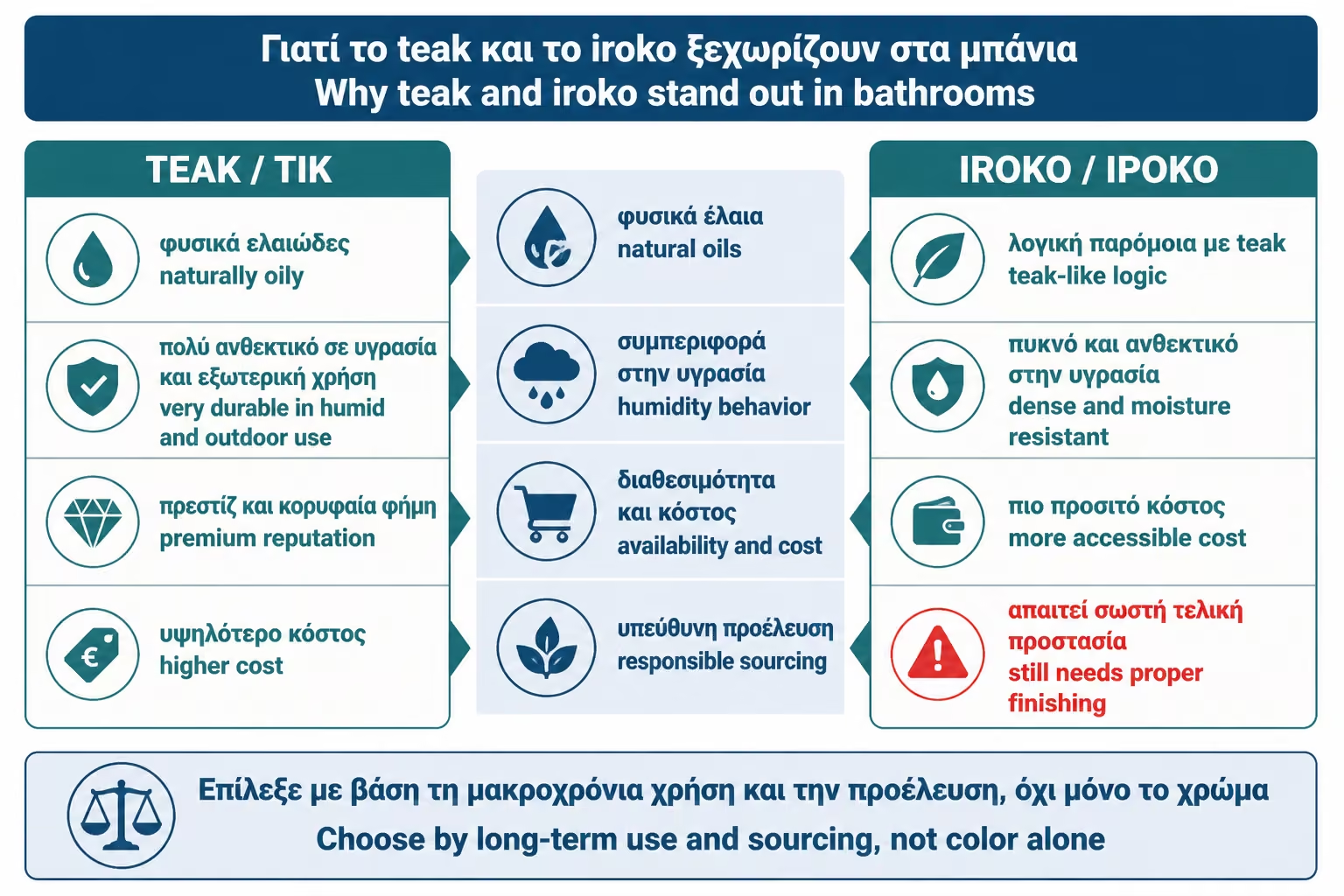
This is where tropical woods such as teak and iroko come to the fore. It is no coincidence that teak has historically been used in boat decks and exterior applications. It has a high natural oil content, dense structure and very good resistance to moisture and wear. Sources dealing with teak flooring and wet interiors refer to it as a wood used in bathrooms, spas, around swimming pools and on yacht decks due to its dense structure and natural oils, which help resist water and rot.
Iroko, on the other hand, is often considered a more economical alternative to teak. It is a hard, oily tropical wood, with a high natural resistance to insects, decay and external conditions. Lumber guides describe it as an oily hardwood with very high natural resistance to insects, pests and decay, suitable for exposed exterior use. This does not mean that it is "indestructible". It means it has a much better chance of working in a wet environment than softer or common woods.
Natural wood in the bathroom is a choice with character, not a zero-care choice. It needs the right lumber, the right construction, the right finish, good ventilation, and periodic maintenance with oils or proper preservatives. If these are followed, it can give a result that no wood-type tile can fully achieve. If they are ignored, it can swell, blacken, stain or quickly lose its original image.
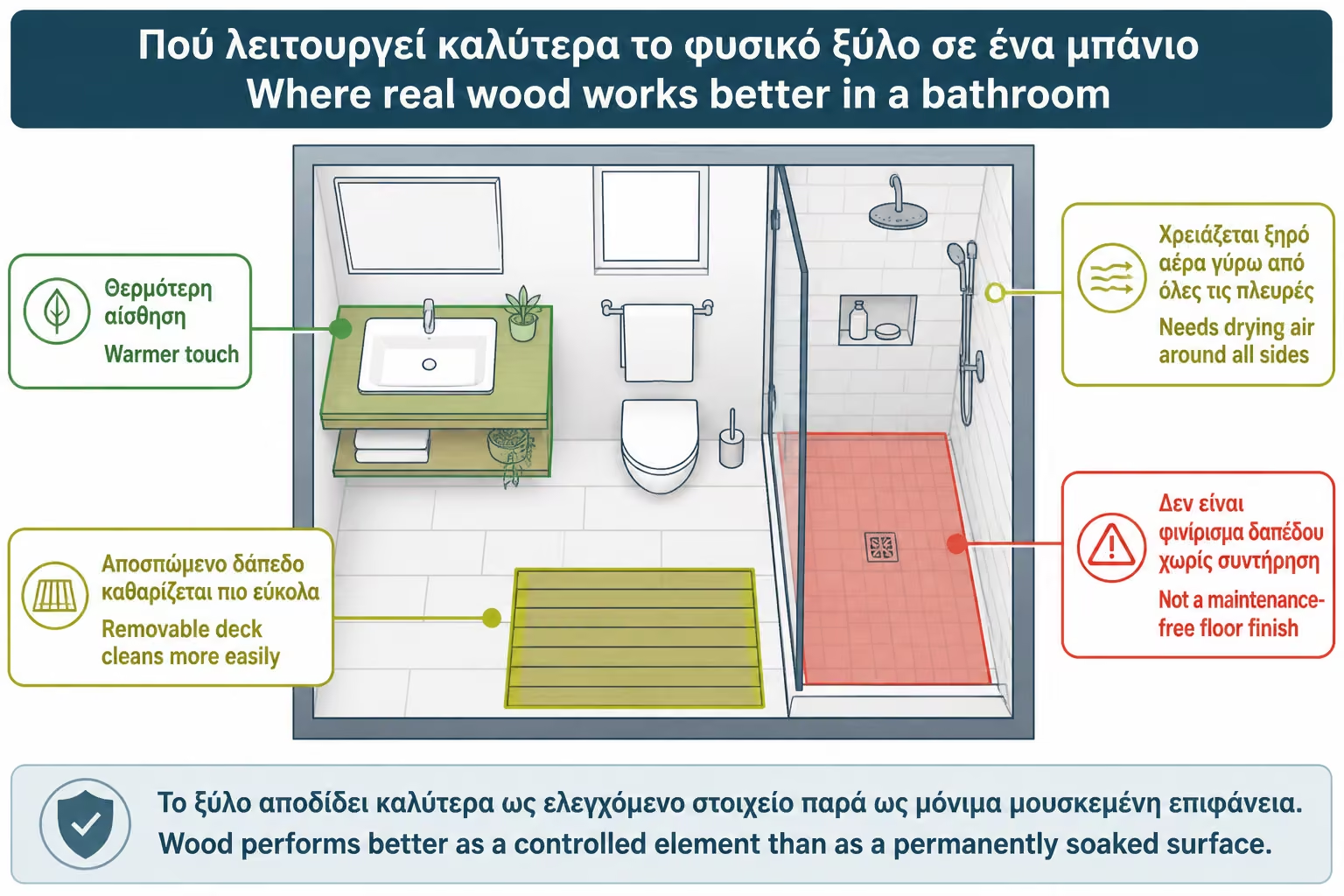
Wood can go into the bathroom, but we need to clarify where and under what conditions. Another is a splash-proof, easy-to-wipe sink counter. Another is a wooden deck outside the shower. Another is the floor of the entire bathroom. And another, much more demanding, is the wood in the zone of continuous water.
The bathroom has moisture in two forms: water vapor in the air and direct water on the surface. Water vapor is dealt with by good ventilation, proper finishing and solid timber. Direct water is more difficult. If it stays on the wood, if it gets into joints or if it gets trapped underneath, it creates a problem. This is why construction details are so important.
A wooden bathroom cabinet or bench can work well if water does not remain on it, if the cuts around the sink are properly protected and if the oil or varnish is renewed. A wooden deck type floor can work if it is ventilated underneath and can dry. In contrast, a conventional wooden floor glued like parquet in a bathroom with frequent water is much more risky.
Teak is one of the most durable woods for wet and outdoor applications. Its natural oiliness helps it better resist water, rot and biological wear. That's why we see it on boats, outdoor furniture, decking and spa areas. Its use in decking is not a decorative fad; it arises from the behavior of the material.
iroko has a similar logic, although it is not the same as teak. It is dense, hard and oily tropical wood, with good natural resistance to moisture and external conditions. It is often used in decking, exterior construction, benches and applications where we want a teak-like aesthetic at a lower cost. Sources for worktops characterize it as naturally oily, highly durable and moisture-resistant, suitable even for areas around water, such as kitchen counters.
Their difference for the owner is mainly aesthetics, availability and cost. Teak is usually more premium and expensive. iroko is more affordable and also very reliable, but needs proper processing and finishing. Both, however, must be responsibly and legally sourced, ideally with sustainable forestry certifications where available. Tropical timber should not be chosen based on looks and price alone.
Even teak is not waterproof in the sense that a porcelain tile or an SPC panel is. Wood remains an organic material. It has fibers, pores, edges, water and sensitivity to changes in humidity. Its natural strength means it responds much better than other woods, not that it doesn't need protection.
This is critical because many people hear “boat wood” and think it can stay permanently wet without care. Boat decks are maintained precisely because they are exposed to water, sun and salt. They are cleaned, oiled or protected, and when worn they are rubbed or renewed. It's not a set-it-and-forget-it material.
In a residential bathroom, wood must be protected from prolonged contact with water. If water gets on the counter, it is wiped off. If the deck gets wet, it must be able to dry. If there is a leak under the sink, it is fixed immediately. Wood holds up best when it has a wet-dry cycle, not when it stays permanently wet.
The sink counter is one of the most successful applications of natural wood in the bathroom. It is not stepped on, does not accept a continuous flow of water like the floor of the shower, and offers great aesthetic value in a relatively small area. An iroko or teak bench can instantly warm up a bathroom with white sanitary ware, tread, marble, beige tiles or black details.
The great technical attention is in the cuts. The sink hole, the faucet, the edges, the points around the siphon and the joints with the wall must be very well protected. Water usually does not damage the bench from the middle of the surface. It enters from a cut edge, from an unattended hole, from a joint with the sink or from a place where the silicone has been opened.
For this the bench must be oiled or protected on all sides, not just the top surface. The underside, cut edges and holes need the same attention. If the underside is left "bare", it can absorb moisture from the room and create an imbalance in the timber.
Wooden decking in the bathroom can give an excellent spa feel, especially outside the shower or in a zone where we want a warmer touch. Unlike a solid wood floor, decking is made up of boards with gaps between them to allow water to pass through and the wood to ventilate. This logic is very close to decks and external applications.
The key is ventilation and drainage. If the boards rest directly on a floor that holds water, there will be a problem. There must be a way for the water to drain and the wood to dry from all sides. If the deck is removable, cleaning becomes much easier. It can be lifted, cleaned underneath and re-oiled.
A firmly screwed wooden deck in a small bathroom needs more attention. There must be access for cleaning, proper drainage, stainless screws and design so that soaps, hair and moisture do not remain under the boards. Decking is beautiful, but not suitable if you want a floor that just mops without any other thought.
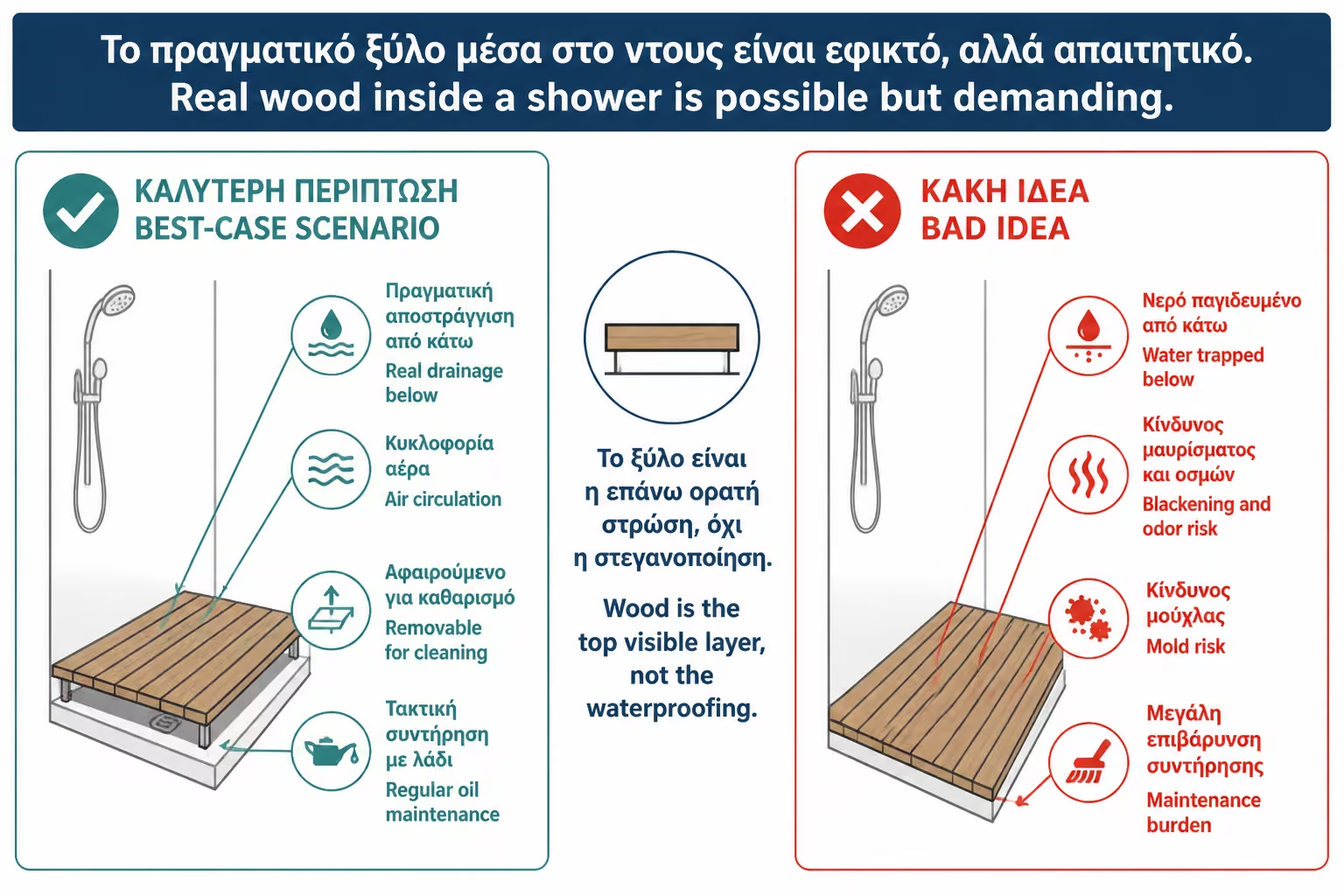
It can, but it's not the easiest or most common solution for housing. Teak wooden decks in showers or spas are used, but should be designed as removable or well-ventilated elements, not as a conventional floor. The surface must be dried, cleaned and maintained.
If we are talking about wooden boards in a shower, the slopes and the siphon must be underneath, on the actual waterproof floor. Wood does not replace waterproofing. It is an upper surface, like a deck. The water must flow down and away. If trapped, it will create odors, mold or tan.
For most owners, a more practical solution is to use the wood outside the immediate water zone: bench, furniture, shelf, deck outside the shower or decorative element. Inside the cabin, wood-type tile, SPC, clapboard or a special panel may be easier to maintain.
Wood oils do not always form a hard film like a varnish. They usually penetrate the wood and help to bring out the color, reduce absorption and renew its natural appearance. Teak oil and deck oils are often used on tropical hardwoods. A Greek technical teak oil product states that it is used for marine applications and for the maintenance/protection of hardwoods such as teak, mahogany and rosewood, with deep penetration into the fibers and replacement of natural oils lost through exposure to use and weathering.
The oil does not make the wood "plastic" nor does it turn it into a tile. It wants a repeat. If the wood starts to look dry, dull or grey, it needs cleaning and re-oiling. In a bathroom, where there is water, soap and detergents, maintenance may be needed once a year or more often in areas of heavy use.
There are also varnishes or protective films that give greater surface tightness. These can be useful on counters, but they change the feel of the wood. Wood does not "breathe" in the same way and the surface becomes more like varnished furniture. If the film is scratched or opened, water can get in from underneath. So oil and varnish have a different logic. They are not chosen at random.
Annual maintenance isn't necessarily difficult, but it should be done. It usually involves cleaning the surface, lightly sanding if there are stains or tarnishing, removing dust, applying a suitable oil and wiping off excess material well. If the wood has varnish, the maintenance is different and must follow the instructions of the system.
On counter tops, the owner should check the edges around the sink and faucet. That's where the signs first appear. If the water starts to darken the wood at a certain point, the protection has worn off. It is better to do early maintenance than to wait for a deep stain to form.
On a deck, the gaps between the boards and the underside should be cleaned, especially if it is removable. Soaps, hairs and salts can collect there. Oiling should be done on dry wood, not immediately after using the shower. If oil is applied over moisture or dirt, the result will not be correct.
Wood changes with time. Teak can turn gray if left untreated, as it happens in outdoor applications. This does not always mean that it is damaged. Often it is surface change from oxidation, UV and loss of oils. In an indoor bathroom, graying is usually milder, but can appear in areas with water or light.
Tanning is different. It can be due to permanent moisture, mold, contact with metals, poor ventilation or trapped water. If the wood darkens around the sink or at the joints, it is not enough to apply oil over it. We need to see why moisture remains there.
Stains from soaps, cosmetics, perfumes, hair dyes or cleaners can also affect the wood. iroko, although dense and durable, needs to be wiped quickly when stains fall. iroko care guide states that due to its density it resists deep staining, but prompt removal of spills and, where necessary, light sanding and re-oiling helps in maintenance.
No natural wood likes constant moisture. Even teak and iroko need a drying environment. That is why bathroom ventilation is crucial. If the bathroom has no window and the fan is insufficient, water vapor will remain in the room, the surfaces will dry slowly and the wood will be more stressed.
Proper ventilation reduces condensation, helps wood surfaces dry, and reduces the risk of mold. In a bathroom with natural wood, the fan is not a detail. It is part of hardware protection.
If the space is not well ventilated, it is better to limit the natural wood to smaller surfaces or to choose a wooden look in porcelain, LVT or SPC. Natural material needs an environment that respects it.
Countertops are usually the most balanced option. It gives all the warmth of wood in a visible place, with a controlled surface and relatively easy maintenance. If done right, it can last for many years and is easily renewed.
The deck is a more special solution. It gives a spa feeling and a warm press, but it needs drainage, ventilation and cleaning underneath. It is a good choice when it can be removed or when the construction is properly designed.
Full wood bathroom flooring is the most demanding option. It can be done in carefully designed spaces, but it has more risks. If the owner wants low maintenance, it is better to choose SPC, LVT or porcelain wood type. If he wants real wood, he has to accept care.
Teak is the premium choice for wet applications, with a strong reputation for decking and outdoor use. It is expensive, but very well behaved. Iroko is often a more affordable alternative, with good durability and a beautiful warm hue. Both can be used on benches and decking if properly constructed and maintained.
Other woods, such as oak, walnut or beech, may be used in bathroom furniture, but do not have the same natural moisture resistance as teak/iroko. They can work if properly protected and away from direct water, but are more demanding. Soft woods such as pine or fir are not a good choice for wet applications without strong protection.
For a bathroom, we don't choose wood just because we like the shade. We choose the species, drying quality, stability, finish and installation method. An expensive wood that is poorly installed can fail faster than a simpler material properly designed.
Use the table below as a quick reference for the key points of this section.
| Application | Appropriateness | What to watch out for |
|---|---|---|
| Teak/iroko washbasin bench | Very good choice | Protection of cuts, holes, edges and annual lubrication |
| Shelves or decorative elements | Good choice | No water, proper support and finish |
| Deck outside the shower | Good choice with proper drainage | Ventilate and clean from below |
| Deck in the shower | Only by strict design | Removable, proper drainage, frequent maintenance |
| Full wooden bathroom floor | High risk | Moisture, expansions, sealing, use of space |
| Wall cladding with wood | With care | Ventilation behind the liner, not in a permanently wet zone |
| Bathroom furniture | Very good choice | Finishing quality, avoiding stagnant water |
The table shows that wood is not a "yes or no" in the bathroom. It is a matter of position and technical detail.
Natural wood in the bathroom is usually not the most economical solution, especially when we are talking about teak or iroko. The cost depends on the type of timber, cross-section, quality, origin, processing, construction, finishing and installation. A simple iroko bench can be relatively more affordable than a teak counterpart, while teak usually moves in the premium category.
For a practical picture, a custom iroko or teak vanity top can be priced by the piece and not just by the square, because it involves cutting, gluing, drilling, rounding, sanding, oiling and fitting. Depending on dimensions and quality, it can start from a few hundred euros and go up significantly to premium timber or special constructions.
Decking also has its own costing: lumber, substructure, stainless screws or hidden brackets, oiling, removal and application. In a small bathroom, the cost per square meter can seem high because there are a lot of fixtures and little surface area. In such materials, the price should not be compared with a simple tile per sq.m. Compared to custom construction.
If you want real texture, warmth and a natural patina, there is no substitute for natural wood. It has depth, smell, feel and character. But if you want almost zero maintenance, cleaning with common products, use in the shower and full water resistance, then wood type tile or SPC is a more practical choice.
The porcelain wood effect is very safe for bathrooms and showers, as long as it has the right anti-slip properties. It does not need oil and does not swell. SPC is warmer to the touch and easier to renovate, but is not always suitable for a shower. Natural wood is the most authentic, but also the most demanding.
A very good solution is the combination. Tile or tread on the wet surfaces, and natural wood on the counter, furniture or a removable deck. This way we get the feel of wood without burdening the entire bathroom with technical risk.
The first mistake is choosing the wrong wood. Not all woods are made for moisture. Pine, beech or other more sensitive woods need a lot of care and are not suitable for wet zones.
The second mistake is to protect only the top surface. Cuts, holes and the underside are equally important. Water often gets in from where it can't be seen.
The third mistake is zero maintenance. Wood needs oil or protection at regular intervals. If we leave it, it will change image and may wear out.
The fourth mistake is placing it in a place where water remains. The wood must be dry. If it is permanently wet, even hardy species will suffer.
The fifth mistake is confusion with decks. Just because teak is used on boats doesn't mean it's placed sloppily. Boats have special design, maintenance and drainage.
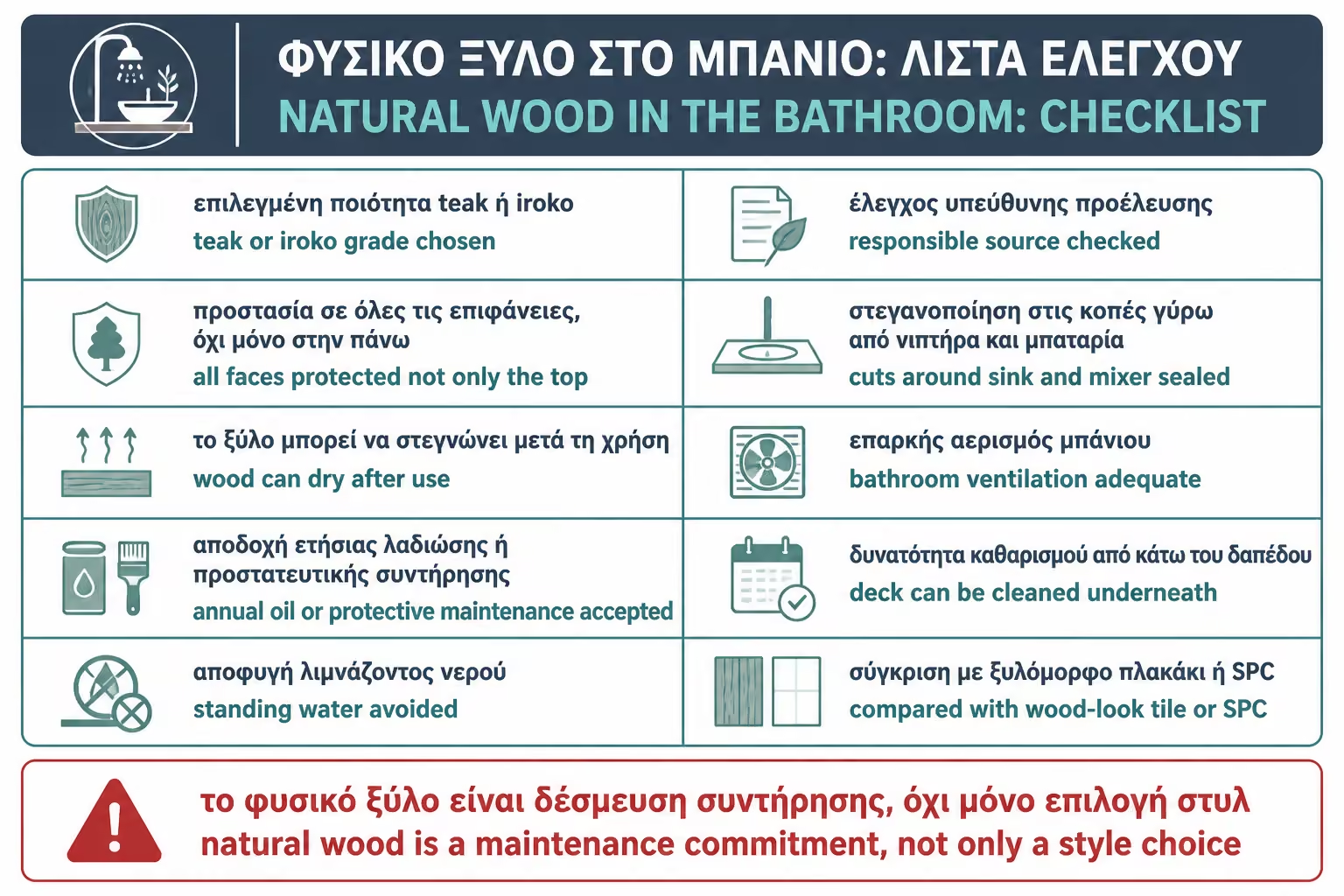
Use the table below as a quick reference for the key points of this section.
| Question | Yes / No |
|---|---|
| Has a suitable wood, such as teak or iroko, been chosen? | Yes / No |
| Do you know if the wood comes from a responsible/certified source? | Yes / No |
| Are all sides protected, not just the top surface? | Yes / No |
| Are the cuts around the sink and faucet properly sealed? | Yes / No |
| Can the wood be dried after use? | Yes / No |
| Is there adequate ventilation in the bathroom? | Yes / No |
| Is annual maintenance with appropriate oil or protective provided? | Yes / No |
| If it's a deck, can it be cleaned underneath? | Yes / No |
| Is permanent contact with water or stagnant areas avoided? | Yes / No |
| Have you compared natural wood with wood effect tile or SPC for your use? | Yes / No |
If the answer to most questions is "no", natural wood needs more study before being installed. It is not difficult material when used correctly, but it does not forgive indifference.
If you want real wood in the bathroom, put it where it can dry and be maintained. Teak and iroko are great choices for countertops, furniture, and properly designed decks, but they are not "waterproof" in the tile sense. Protect all cuts, use proper oil or finish, ensure good ventilation and accept annual maintenance. If you want the look of wood without care, go for porcelain wood effect or SPC. If you want the feel of real wood, respect it as a natural material.
Natural wood can survive in the bathroom, but not with the same rules as tiles, SPC or panels. Teak and iroko have very good physical resistance to moisture and are therefore used in exterior, marine and wet-adjacent applications. But they remain natural materials that need proper construction, protection and maintenance.
Their safest use in the bathroom is on vanity tops, furniture, shelves and select deck elements that can be dried and cleaned. Their use within the continuous water zone is only possible with strict planning, proper drainage, ventilation and regular care. Wood should not trap water or cover technical problems.
For the owner, the decision is a matter of lifestyle. If you want naturalness, warmth and accept annual care, teak or iroko can give a highly aesthetic result. If you want almost zero maintenance, better to choose wood effect tile or SPC. The real luxury of wood is not only in appearance. It lies in the fact that it is living material — and like all living material, it needs care.
Return to category.
Go to categoryReturn to the central guide.
Go to guide