
Bathroom Surface Materials & Finishes
Return to category.
Go to categoryThe vanity unit is one of the elements that age the image of a bathroom very quickly. The tiles may be neutral, the mirror clean and the faucet functional, but an old cabinet made of dark varnished wood, weathered melamine or yellowed MDF makes the whole space look tired. Replacing furniture is a solution, but it is not always necessary. If the box is stable, the doors close properly and there is no serious water damage, painting can transform it dramatically.
Bathroom furniture restoration is much more affordable than replacement. With proper cleaning, sanding, adhesion primer and a suitable final color, an old piece of furniture can completely change its style: from dark brown to white, from old melamine to sage green, from glossy varnish to a matte chalk look or from weathered wood to elegant satin enamel. The result can look almost like a new piece of furniture, especially if the knobs, hinges or bench are also changed.
But we have to look at it technically. The bathroom is not a simple room. The sink unit receives steam, splashes, cleaners, soaps, toothpaste, cosmetics and often stagnant water around the sink. So it is not enough to apply a beautiful paint. You need a system that has adhesion to the material and resistance to moisture. Rust-Oleum has a special Bathroom Wood & Cabinet Paint for wood and melamine cupboards, doors, windowsills and other wooden bathroom elements, with a durable satin finish and a two-hand formulation.
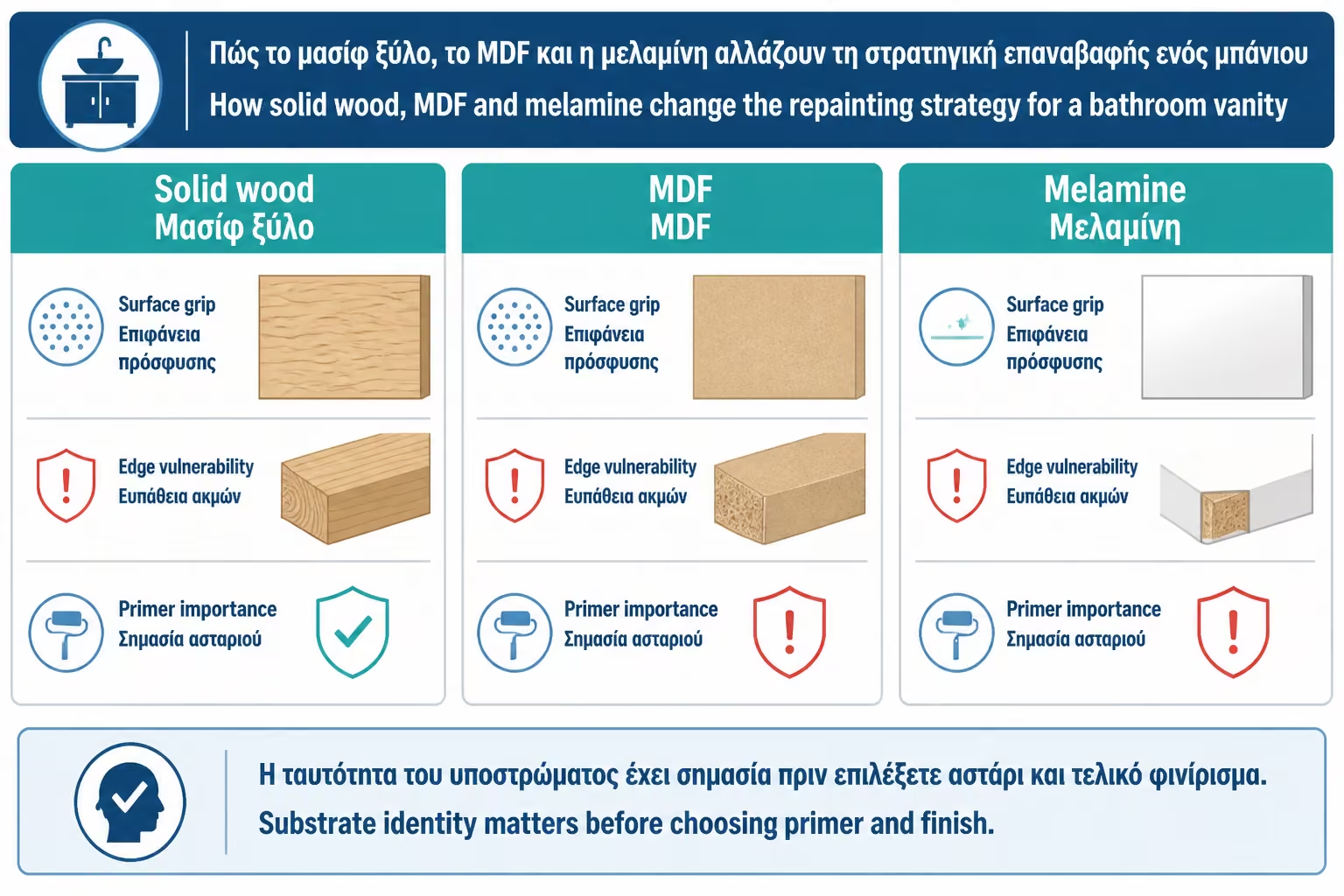
The biggest pitfall is the material. Sometimes we paint natural wood, another MDF, another melamine. Natural wood is usually sanded, primed and painted relatively well as long as it is dry and stable. MDF is more sensitive to cut edges and moisture; if it swells, it doesn't bounce back easily. Melamine is a smooth, laminated, non-absorbent surface; without a proper adhesion primer, paint can come off as a film. Products such as Zinsser B-I-N are often used as primers for difficult glossy surfaces, while its technical data sheet mentions “superior adhesion to glossy surfaces without scuff sanding” and repainting in 45 minutes.
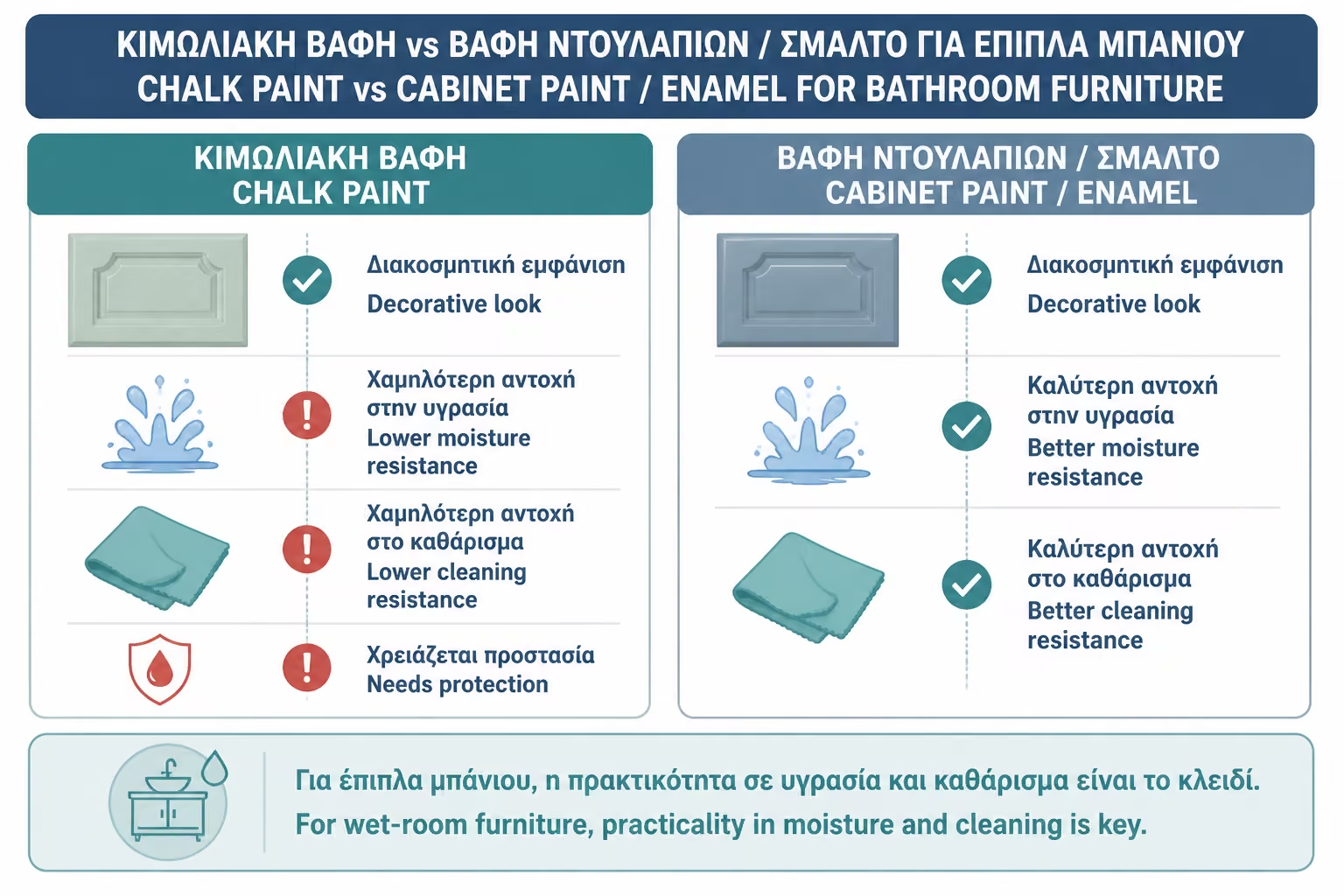
When it comes to finish color, the two most common choices are chalk paints and cabinet paints. Chalk paint gives a matte, decorative, vintage or country aesthetic and is easy to work with. But in a bathroom it should not be left unprotected. It needs wax or, better for a wet area, durable varnish/lacquer. Annie Sloan describes Chalk Paint™ Lacquer as a hard-wearing, water-based polyacrylic varnish with UV protection, suitable for use over Chalk Paint to give a robust finish. Ripolins and special cabinet paints, on the other hand, give usually a more durable, washable and practical bathroom finish, especially in satin or semi-gloss.
Painting is worthwhile when the furniture is stable, functional and the wear and tear is mainly aesthetic. If the doors open properly, the hinges hold, the box is not bloated, and the surface just looks old, then restoration is a great solution. With a small cost, the whole style of the bathroom can be changed.
It is also worth it when the furniture has special dimensions. Many old vanity units are built-in, cut to a specific width, or tied with tiles and a counter. Replacement may require plumbing, carpentry and labor. If the existing furniture is functional, painting is a milder intervention.
It is not worth it when there is severe swelling from water, rotted MDF, mold inside the unit, a damaged base, loose hinges that no longer hold, or major warping. Paint does not fix structural damage. If the MDF has swollen on the sides or under the sink, you may disguise it a little, but it will not truly become like new again.
Natural wood is the friendliest to restore. It rubs, absorbs primer, can accept ripolin, varnish, chalk paint or stain. If it has old varnish, it needs sanding or a suitable primer. If it has stains or tannins, it may need a stain-blocking primer.
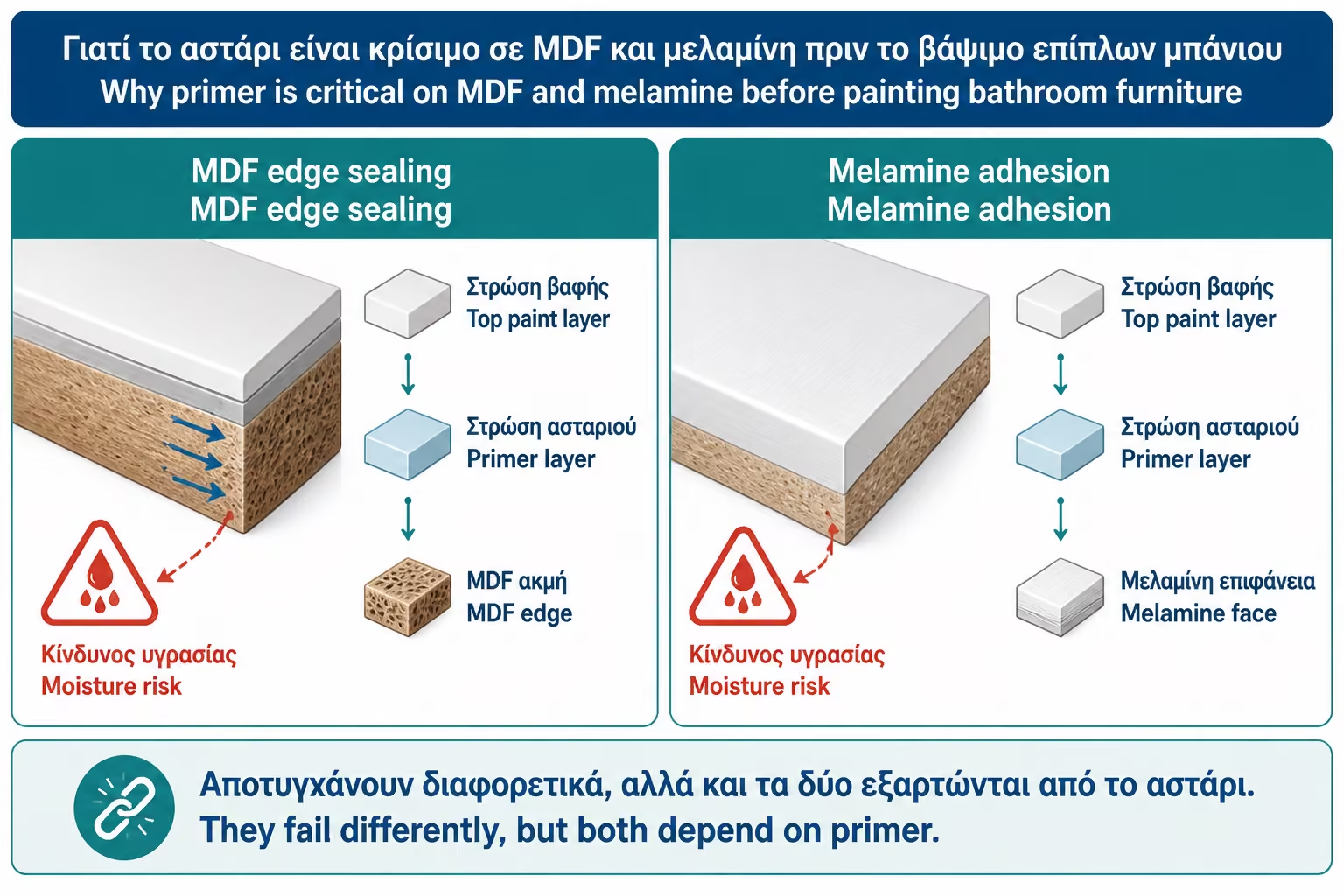
MDF is an industrial material made of wood fibers and resins. Its surface paints well when properly primed, but the cut edges are very absorbent and sensitive. If water gets in, the MDF swells. In bathroom furniture, edge protection is critical. Particular attention is needed under the sink, on the sides, on the base and around pipe holes.
Melamine is the most difficult material to adhere to. It has a hard, smooth, laminated surface. It does not absorb. The color sits on it and, if there is no proper primer, it can come off. That is why in melamine the adhesion primer stage is necessary, unless a special cabinet paint is used that declares direct use on melamine and is allowed by the technical brochure. Ronseal, for example, has One Coat Cupboard Paint for interior wood and furniture that is declared tough, durable and water resistant.
Chalk paints became popular because they give an easy, matte, decorative look and often require less preparation than classic systems. They are perfect for vintage, shabby chic, farmhouse or a warmer handmade effect. They can give an old bathroom furniture a very nice feel, especially in colors such as sage, off-white, duck egg, grey, taupe or navy.
The problem is that chalk paint itself is not the most durable finish for a bathroom. It is matte, more porous and needs a protective top layer. Wax can work in a living room. In a bathroom, however, wax is not always the most practical choice, because moisture, splashes and cleaning products can damage it. For a vanity unit, it is usually better to use a durable water-based lacquer or a polyacrylic varnish that is compatible with chalk paint.
Chalk paint systems are built around that final protective layer. Annie Sloan states that Chalk Paint™ Lacquer is used over Chalk Paint for a robust finish and describes it as a hard-wearing water-based polyacrylic varnish. In a bathroom, that final varnish is not really optional. It is part of the system's durability.
Ripolin, especially modern water-based or hybrid ripolins, gives a harder, washable and more durable film than an unprotected chalk paint. For bathroom furniture, doors, cabinets and doors, a good satin or semi-gloss cabinet paint is often the most practical choice. It is easier to clean, better withstands hands, moisture and daily use, and gives a more "factory" effect.
The special bathroom wood & cabinet paints are even more targeted. They are designed for wooden or melamine surfaces in areas with humidity. Rust-Oleum Bathroom Wood & Cabinet Paint is for use on wood and melamine cupboards, doors and other bathroom elements, with a durable satin finish and application by brush, roller or spray.
If you want a cleaner, modern and durable look, cabinet paint/ripolin is usually a safer choice. If you want an aged, matte, handmade look, chalk paint with a good varnish can be excellent.
Before any painting begins, remove knobs, handles, hinges where possible, drawers and doors. It is much easier to paint flat surfaces on a bench or tripod than to work bent over in the bathroom. This also avoids drips, edge marks and paint on metal parts.
Take pictures before you loosen the hinges so you know where what goes. Put screws and parts in bags. If the old knobs are outdated, now is the time to change them. Often, new paint + new knobs make the furniture look brand new.
If the sink is built-in and not removable, protect it very well with tape and nylon. Also protect tiles, countertop, pipes and floor.
The bathroom furniture has soaps, dust, grease from hands, toothpastes, cosmetics, nail polish, moisture and cleaners on it. If you paint over them, the paint won't stick. Cleaning is necessary even if the surface looks clean.
Use degreaser or a suitable furniture cleaner. Clean especially around knobs, edges, under the sink and where the hands touch. Rinse or wipe according to the cleaner's instructions, and allow to dry. If cleaner residues remain, they can also reduce adhesion.
On melamine and glossy surfaces, cleaning is even more critical. Because the material does not absorb, any film on the surface becomes a weak interlayer.
Scrubbing doesn't have to be aggressive. We don't want to damage the furniture. We want to dull the gloss, remove micro-imperfections and create mechanical adhesion. On natural wood or old varnish, sanding helps a lot. On melamine, light sanding with fine grit can improve adhesion, but is not a substitute for primer.
In MDF, we pay particular attention to the edges. If you rub too much, it can open up the fiber and become fluffy. There it needs sealing with primer and maybe a light sanding in between. Popped MDF spots do not fully recover; they can only be sanded, puttyed and camouflaged if the damage is minor.
After sanding, remove all dust with a vacuum cleaner, microfiber cloth and, where necessary, tack cloth. Dust under primer or paint creates a rough, weak surface.
On natural wood, the primer helps to close the pores, block stains and hold the finished paint properly. In MDF, the primer seals the surface and especially the edges. On melamine, primer is almost always necessary for adhesion, unless a product is used that specifically states that it bonds directly to melamine.
For difficult glossy surfaces, primers like Zinsser B-I-N are very popular because they give strong adhesion and block stains. Zinsser states that B-I-N is a shellac primer with excellent adhesion even on difficult surfaces such as glossy plastics, metal and ceramic tiles. The technical sheet also mentions fast repainting and superior adhesion on glossy surfaces.
In a bathroom, the primer must also be selected based on humidity. We don't just want the color to catch on. We want it to reduce absorption, seal MDF and prevent stains or bulging.
Before painting, fill old knob holes, scratches, small dings and blemishes. If you plan to change knobs and the new holes don't line up, plug the old ones with a suitable wood/MDF putty. Allow to dry, sand and prime.
In places with blown melamine or MDF, the repair is more difficult. Cut off any loose material, sand, set, putty and seal. If the damage is extensive, it may be worth replacing just the door or side, rather than trying to salvage it with paint.
Don't skip the edges. Most bathroom furniture problems start at edges and joints. That's where water gets in, that's where the MDF swells, that's where the peeling starts.
If you choose chalk paint, apply two thin coats instead of one thick one. Chalk paint covers well, but if applied too much, it can leave heavy strokes or take a long time to dry. Use a brush for a more handmade texture or a small roller for a smoother effect.
After the first coat, let it dry and lightly sand if you want a smoother surface. Get a second hand. If you want a distressed effect, gently sand edges and points of use before the final varnish. In the bathroom, however, avoid excessively "open" damage in places that will get wet, because there the protection is reduced.
The final varnish/lacquer is necessary. Run two thin hands, especially on doors, sides and surfaces near the sink. Opt for lacquer over wax on bathroom furniture unless the system manufacturer gives you clear instructions that the wax is suitable for the exposure it will have.
If you choose ripolin or cabinet paint, the goal is a smoother, more durable and washable result. After priming, apply a first thin coat with a microfiber or mohair roller. Do not load. Ripolins look best when applied in thin, even layers.
Allow to dry as directed and lightly sand with very fine sandpaper between hands if a smoother finish is desired. Dust off and apply a second coat. Dark to light color may require a third coat or stronger primer.
In the bathroom, prefer a satin or semi-gloss finish. Matte looks stylish but is harder to clean and shows marks more easily. High gloss cleans well but shows imperfections. Satin is often the most balanced choice.
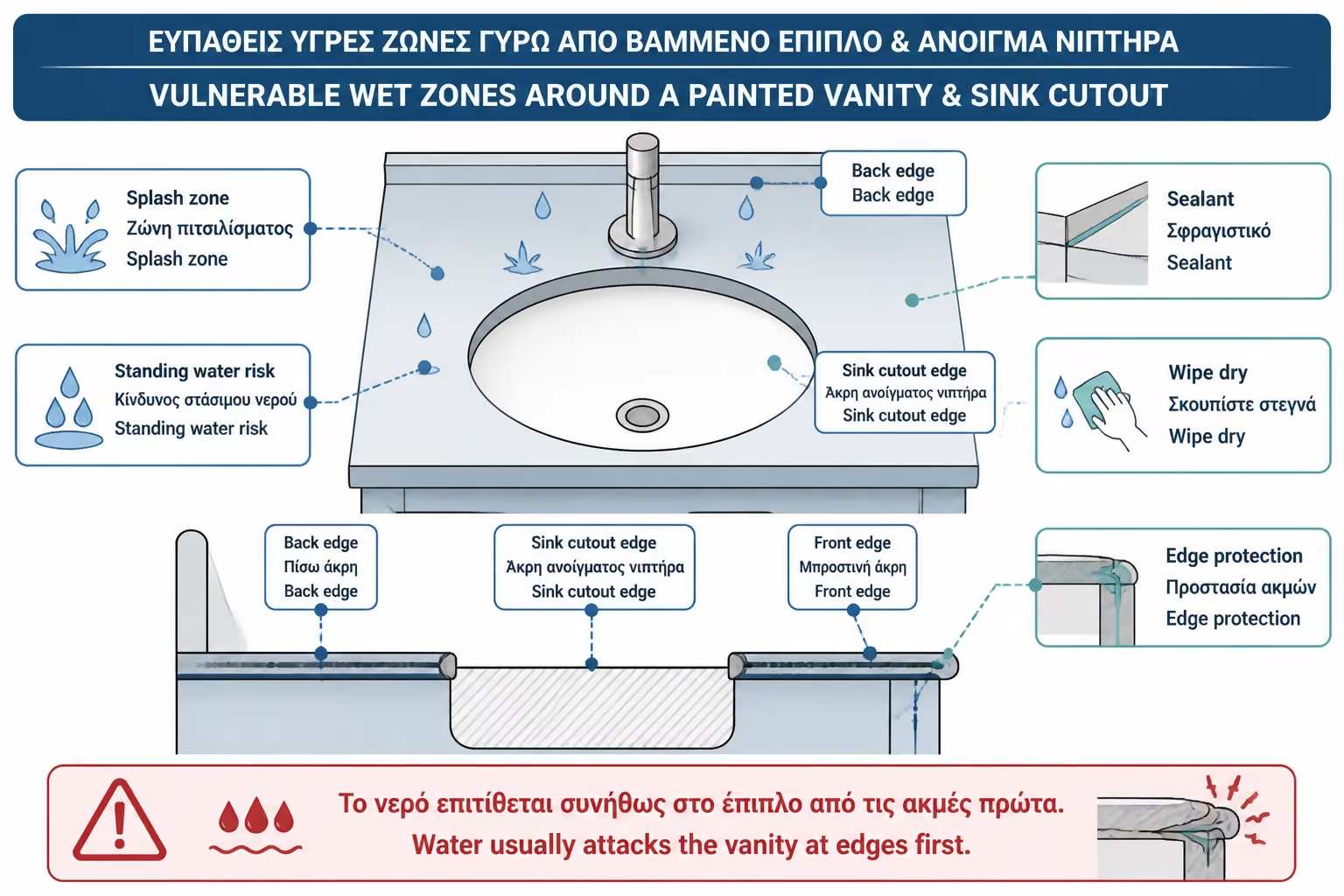
The most dangerous spot is around the sink and counter. Drops of water fall there every day. If the furniture is MDF or melamine, water can pass through edges, joints, holes and cuts. Paint protects superficially, but joints must be properly sealed.
Check the silicone between the sink and the counter or wall. If it is black or peeling, replace it. If the bench is wooden or MDF, it must have its own protection. Do not allow water to pool. Even the best paint will not save MDF that gets wet every day at the edges.
After restoration, daily maintenance is simple: wipe off water, avoid harsh cleaners and check silicones/compounds.
Painting changes the color. Knobs change the era of furniture. An old piece of furniture with new paint but old plastic handles often still looks old. Conversely, new metal knobs in black, brushed nickel, gold, brass or inox can greatly upgrade the image.
If you change from knobs to long narrow handles, new holes may be needed. Close the old ones before the primer. Measure carefully so that all the handles fit in the same position. A misalignment in the knobs is immediately apparent.
You can also change hinges if they are rusty, paint or replace legs, and add a new mirror or light fixture. Furniture restoration looks best when part of a small overall refresh.
The paint may dry to the touch within a few hours, but this does not mean that it has acquired full strength. Ripolins, cabinet paints and varnishes need curing. Until then they are more vulnerable to scratches, bumps, water and cleaning agents.
Do not install knobs too early if the paint is still soft. Do not slam doors that might stick. Do not put items inside the cabinet before the interior parts are thoroughly dry. Avoid vigorous cleaning for the first few days.
In the bathroom, try not to take very hot showers immediately after painting, especially if the surface is not cured. Moisture and water vapor can affect fresh paint.
| Criterion | Chalk paint | Ripolin / Cabinet paint |
|---|---|---|
| Aesthetics | Matte, vintage, handmade | Smoother, modern, factory |
| DIY convenience | Very easy | Moderate, needs cleaner technique |
| Endurance without protection | Low to moderate | Better |
| Need for varnish | Yes, especially in the bathroom | Not always |
| Washing/cleaning | It depends on the lacquer | Better in satin/semi-gloss |
| Suitable for MDF/melamine | With the right primer and varnish | With the right primer or special cabinet paint |
| Hazard signals | More sensitive if it stays matte | Smaller |
| Perfect for | Vintage makeover | Practical everyday bathroom furniture |
If the bathroom is used daily, ripolin/cabinet paint is often more practical. If the aesthetic is vintage and the use mild, chalk paint with a good lacquer is an excellent choice.
| Material | Risk | Preparation |
|---|---|---|
| Natural wood | Tannins, old varnish, moisture | Cleaning, sanding, primer/stain blocker |
| MDF | Water swelling, absorbent edges | Sealing edges, primer, attention to water |
| Melamine | Very low traction | Degreasing, light sanding, adhesion primer |
| Varnished wood | Glossy surface | Grinding/deglossing, adhesion primer |
| Old lacquered surface | Peeling if it doesn't catch | Checking old paint, sanding, primer |
| Blown MDF | Structural damage | Limited repair or part replacement |
The hardware defines the system. Not everything is painted with the same recipe.
In the Greek market of 2026, the restoration of bathroom furniture is one of the most economical changes with a great visual effect. DIY cost includes cleaners, sandpapers, primer, paint, varnish if needed, rollers/brushes, tapes and new knobs. Even with good materials, it usually costs much less than a new vanity unit.
If left to a professional, the cost goes up, but the result can be smoother and more durable, especially if done with a gun or professional ripolin. On furniture with many doors, carvings or bad old paint, work is important.
If the furniture is swollen by water or poorly built to begin with, restoring it may not be worth the effort. In that case, compare the cost of painting with the cost of new PVC furniture, marine plywood or another bathroom-suitable material.
The first mistake is painting without degreasing. The color peels off from knobs, edges and spots that we touch every day.
The second mistake is the omission of primer on melamine. The surface is too smooth to hold paint directly.
The third mistake is the unprotected chalk paint in the bathroom. Without varnish or lacquer, it will get dirty and wear out quickly.
The fourth mistake is indifference to the edges of the MDF. That's where the water comes in.
The fifth mistake is premature use before the color matures.
The sixth mistake is using harsh cleaners on new paint.
| Inquiry | Yes / No |
|---|---|
| Is the furniture stable and not water bloated? | Yes / No |
| Do you know if it is wood, MDF or melamine? | Yes / No |
| Are knobs and fittings removed? | Yes / No |
| Has it been deep cleaned/degreased? | Yes / No |
| Has it been lightly sanded/deglossed? | Yes / No |
| Is there a proper primer for the material? | Yes / No |
| If you use chalk paint, have you provided lacquer? | Yes / No |
| Are the MDF edges sealed? | Yes / No |
| Is the silicone around the sink/countertop healthy? | Yes / No |
| Will the drying and curing times be respected? | Yes / No |
If the answers are “yes”, the project has a good chance of succeeding and standing up to everyday use.
> Painting bathroom furniture is not just a decorative job. It is a small protection system against moisture. On wood, watch out for stains and old varnish. On MDF, carefully seal the edges. On melamine, never paint without a proper adhesion primer, unless the paint itself specifically states that it will bond directly. If you want a chalk look, definitely apply a durable lacquer. If you want daily durability, prefer cabinet paint or satin ripolin. And whatever you choose, don't let water pool around the sink.
Restoring bathroom furniture with chalk paint, ripolin or special cabinet paint is one of the most effective ways to change the image of the bathroom without major renovation. If the furniture is solid, paint can give it new life, bring it to a modern aesthetic and combine with new knobs, lighting and mirror for an impressive effect.
But success depends on preparation and the right system. Natural wood needs sanding and a suitable primer. MDF needs edge sealing and water protection. Melamine needs an adhesion primer. Chalk paint needs varnish. Ripolin and cabinet paints need delicate hands and correct times. If you skip these steps, the result may look nice at first but peel off quickly.
For the owner, the best strategy is simple: first check if the furniture is worth saving, then identify the material, then choose a paint scheme. Not the other way around. A properly painted piece of bathroom furniture can last for years. A lightly painted piece of furniture in a damp area will show its weakness very soon.
Return to category.
Go to categoryReturn to the central guide.
Go to guide