🌡️ Temperature zones
A modern home runs three parallel zones: underfloor (30-40°C), radiators (50-60°C), domestic hot water (55-65°C). Each zone demands its "own" temperature.
The boiler or heat pump produces water at one temperature. But the house needs 35°C for the floor, 55°C for the radiators and 65°C for the DHW cylinder - all at the same time.
The answer isn't three separate boilers. It's mixing valves - 3-way or 4-way - that blend hot supply with cooler return water so every zone receives exactly the temperature it needs.
If you send 70°C water into underfloor heating, the PEX pipe may survive - but the floor surface will exceed 29°C (the legal limit per DIN EN 1264), causing discomfort, tile expansion and potential circulatory issues in the feet.
A modern home runs three parallel zones: underfloor (30-40°C), radiators (50-60°C), domestic hot water (55-65°C). Each zone demands its "own" temperature.
70°C water in the floor means surface temperatures of 35-40°C. That's illegal, uncomfortable - and literally harmful to feet. Tiles crack, adhesive debonds.
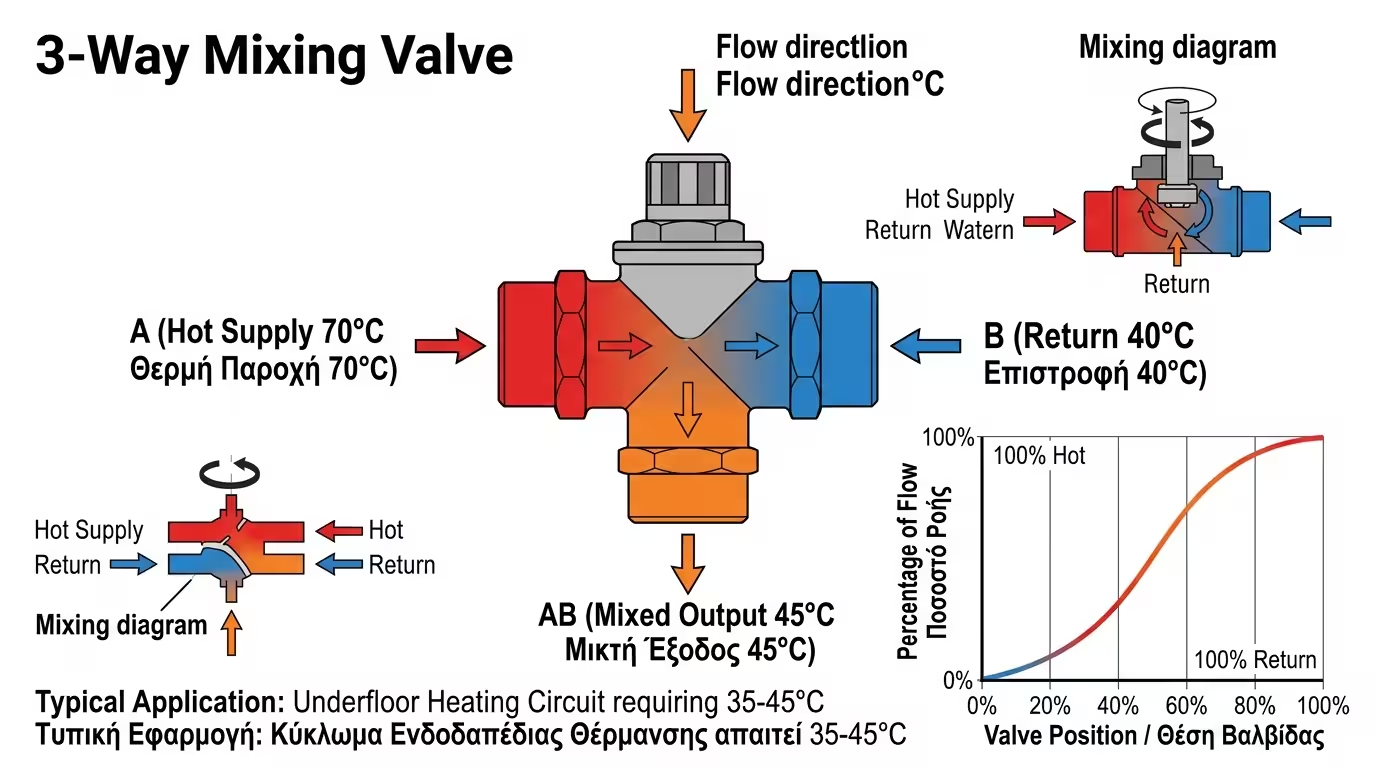
The mixing valve takes hot water at 55°C from the header and cool return at 25°C from the floor loop. It blends them in a ratio that delivers exactly 35°C to the supply.
If you need 35°C, the valve passes 30% hot (55°C) and 70% cool (25°C) - result: precisely 34-35°C. Everything controlled to within one degree.
Both types do the same job: blend hot and cold water. The difference lies in the number of ports and how they manage flow distribution.
One hot inlet, one cold return (bypass) and one common outlet. The classic choice for small-to-medium homes. Simple, reliable and economical - provided the circulator is positioned after the valve.
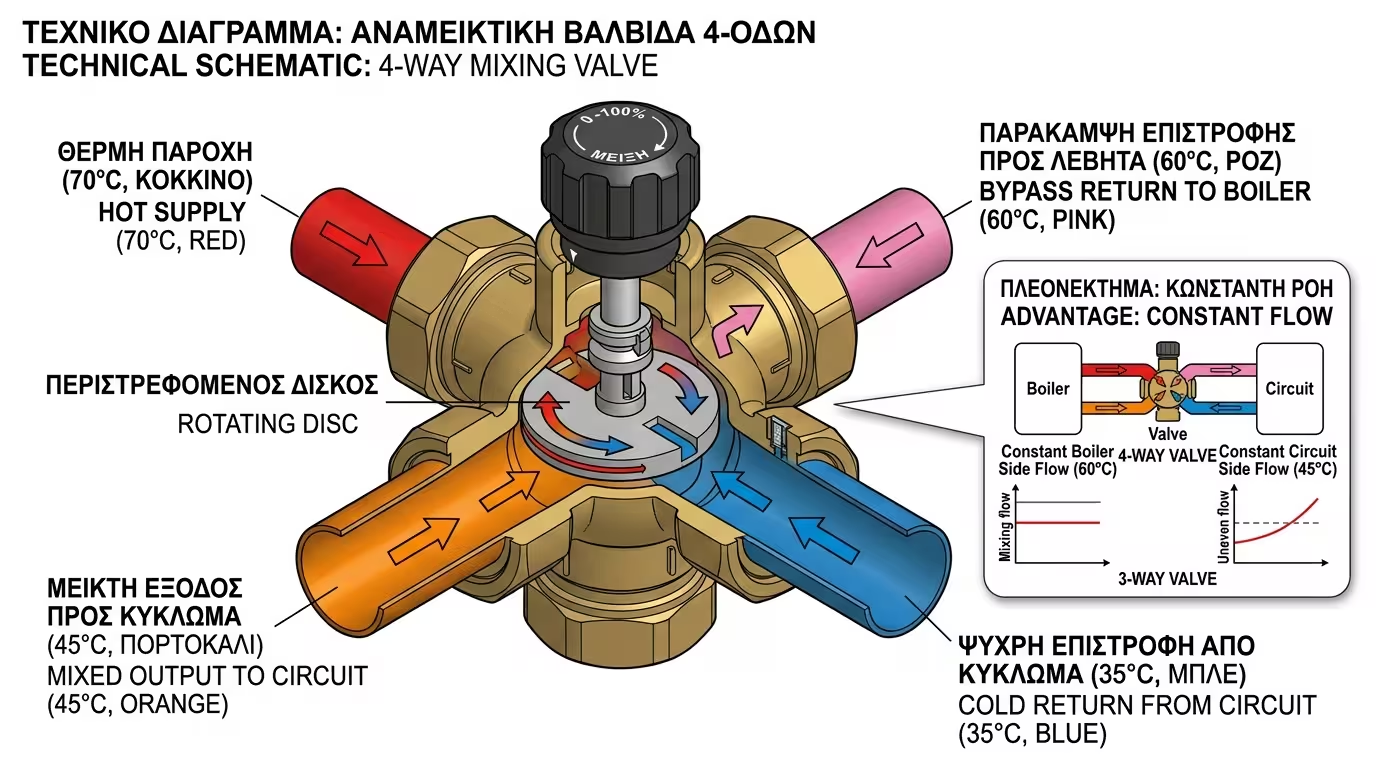
Two inlets + two outlets. Simultaneously distributes hot water in two directions (e.g. floor + radiators) at different temperatures. Ideal for complex multi-zone systems.
A 4-way valve costs 30-50% more and requires a more complex design study. For a house with only underfloor heating, the 3-way suffices. The 4-way is justified in multi-zone systems.
In hotels and hospitals each air handling unit (AHU) has its own 3-way valve. The central plant produces 80°C and each AHU locally regulates its mixing - independently of every other unit.
A mixing valve on its own is just a metal mechanism. What makes it "smart" is the actuator - a small motor that rotates the internal disc according to thermostat commands.
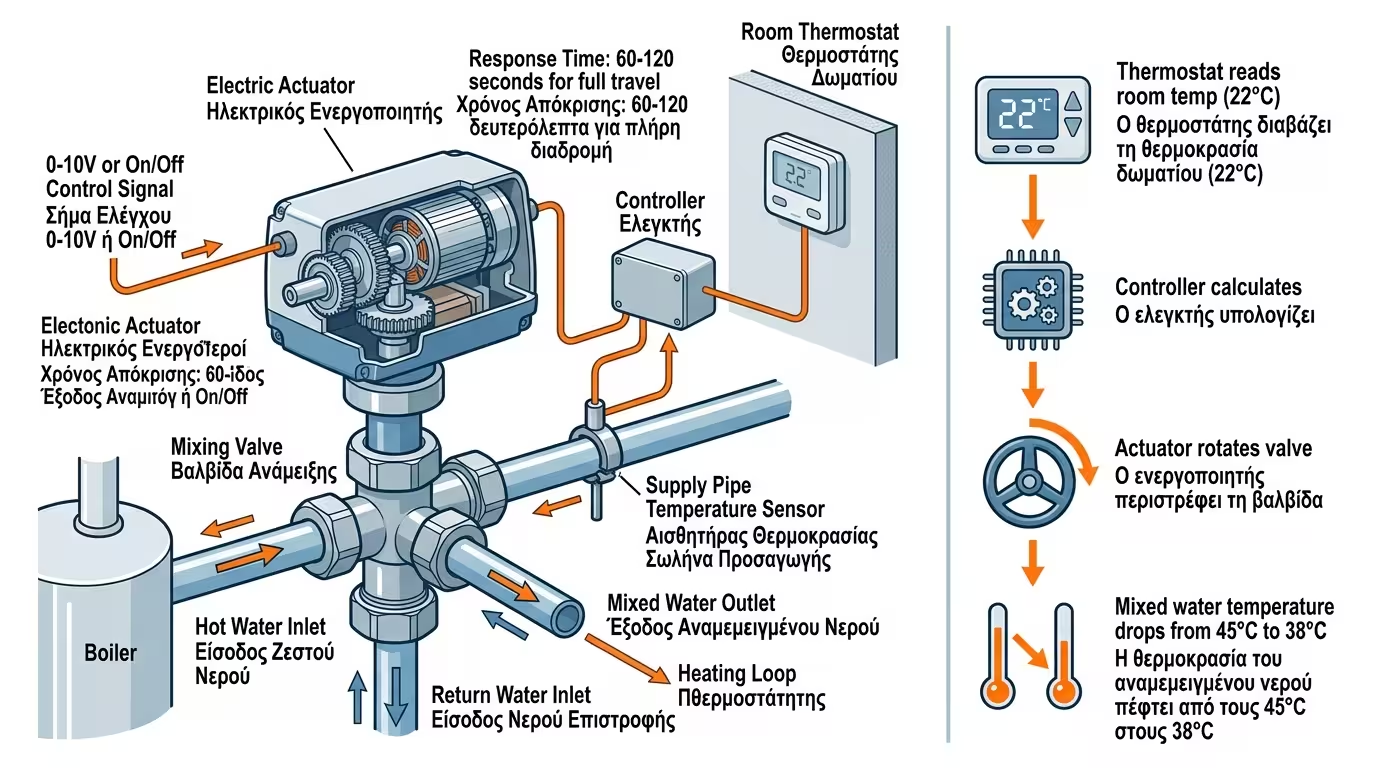
The outdoor sensor (weather compensator) or immersion sensor on the pipe sends data to the controller. It sends a 0-10V or On/Off signal to the actuator - the disc rotates, the hot/cold ratio changes.
A typical actuator needs 60-120 seconds for full travel (fully hot to fully cold). In homes, this speed is more than adequate - the building's thermal inertia is far greater.
Budget actuators work On/Off (open-close). Modulating ones (0-10V) adjust smoothly - ideal for heat pumps that cannot tolerate sudden return-temperature swings.
The actuator screws onto the valve without tools (bayonet or M30 thread). If it fails after 8-10 years, it's replaced in 5 minutes without draining the circuit - just close the isolation valves.
In a properly designed system every zone operates independently: the floor at 35°C, the radiators at 55°C, the DHW cylinder at 60°C. They don't interfere or compete with each other.
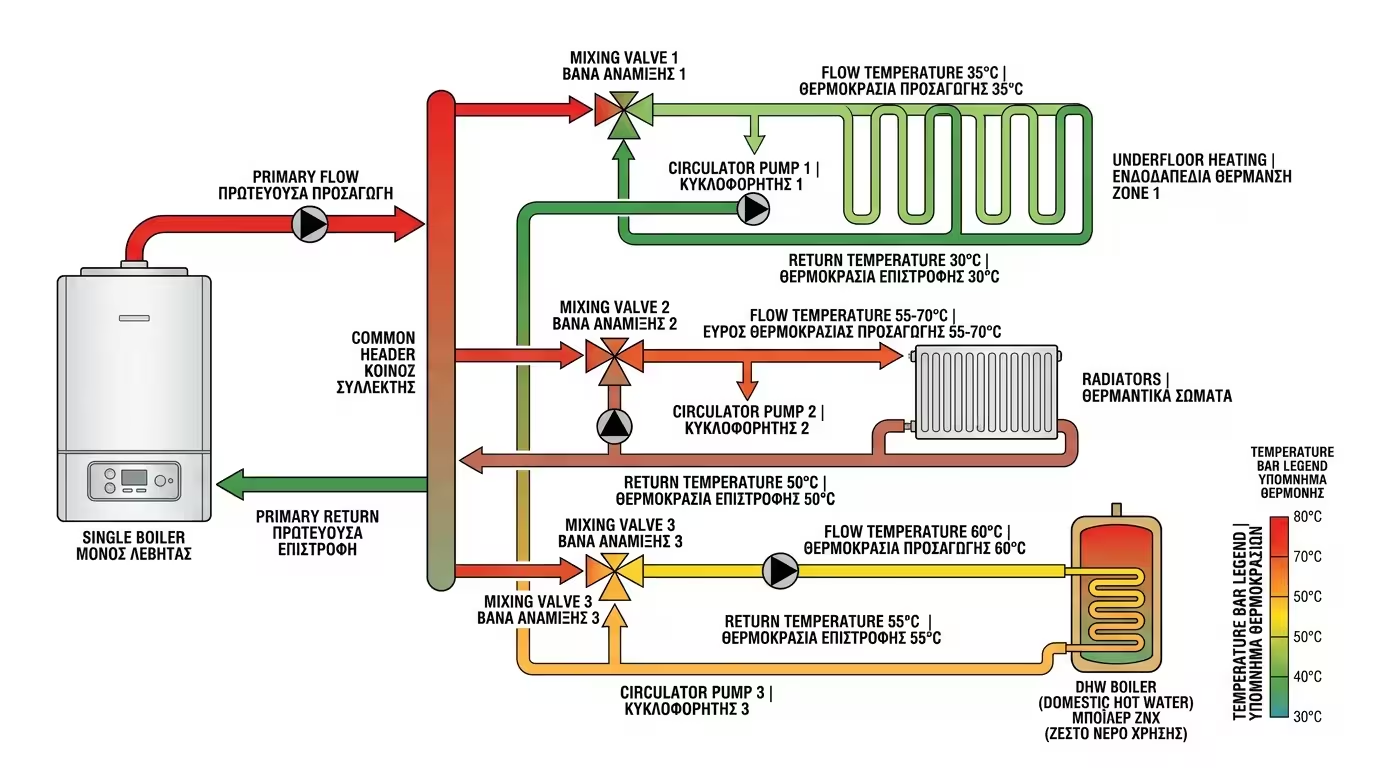
Low supply temperature, high flow rate. Requires a 3-way valve + modulating actuator for degree-level accuracy. The valve "holds back" heat and recirculates cooler return water.
Medium temperature, medium flow rate. If the boiler outputs 60°C, mixing may not be needed - direct connection suffices. If it produces 80°C (older boiler), a valve throttles to 55°C.
High temperature, low flow rate. Here no mixing valve is used - the boiler feeds 60-65°C directly to the cylinder's heat exchanger. Lower temperature means Legionella risk.
If the underfloor mixing valve "steals" too much hot water, radiator temperature drops. Proper hydraulic separation (buffer or hydraulic separator) ensures each zone operates independently.
💡 A 1" mixing valve costs €80-120, an actuator €40-60. Together, they save energy worth hundreds of euros annually - and protect your floors and equipment.
Return to category.
Go to categoryReturn to the central guide.
Go to guide