Dedicated supply from the panel
A heat pump is a heavy load and should not be improvised onto unrelated circuits.
Heat pumps have become the central residential technology of the energy transition. But unlike an old burner, they are not pieces of equipment that simply find a socket and begin working.
They require strong electrical supply, proper communication with thermostats or controllers and enough space in the main panel for their dedicated protection. If these points are not planned early, the later installation becomes much harder.
Correct pre-installation lets you choose the equipment later without reopening floors, walls or external routes just to get the right cable to the right place.
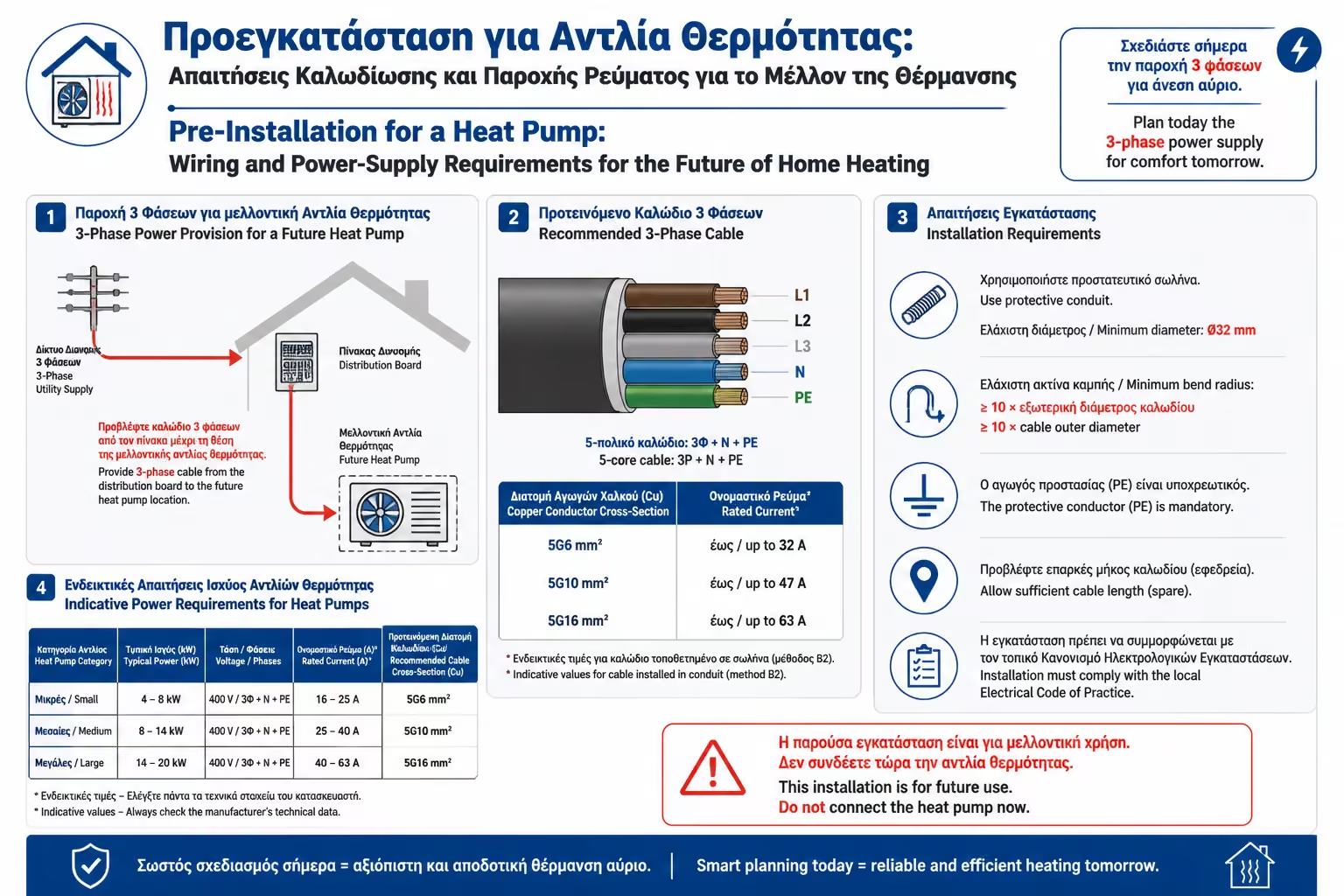
The outdoor unit of a heat pump needs its own dedicated circuit from the main panel, and that route should be sized not only for today's idea but for the future power range the building may eventually require.
Even if you currently imagine a smaller single-phase machine, the more mature strategy is often to route a three-phase cable such as 5x4 mm² or 5x6 mm² to the likely outdoor-unit location.
That way, if the final equipment later requires a three-phase supply, the infrastructure is already in place and you do not need another major cable route.
A heat pump is a heavy load and should not be improvised onto unrelated circuits.
A five-core route keeps later options open even if the final unit is not decided yet.
The final choice depends on power demand, route length and the wider energy strategy.
The difficult retrofit later is usually not the appliance but getting the right supply to it.
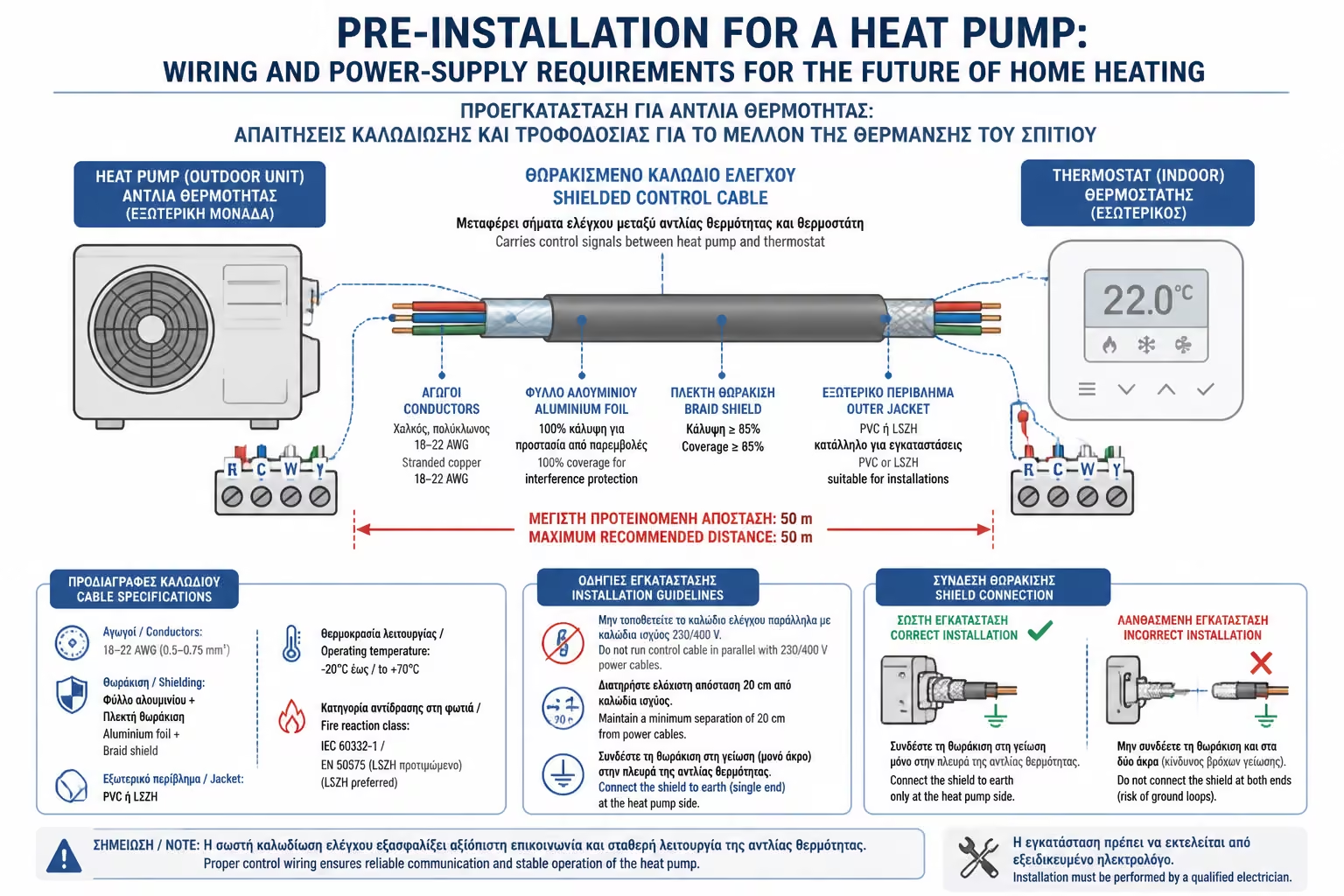
A heat pump has to communicate with thermostats, room controllers or other supervisory devices. For that reason, provision for a separate control cable or properly selected data/control line is just as important as the power cable.
Using unsuitable ordinary cable can create noise, communication limitations or problems when you later want a more advanced control strategy.
A LiYCY 4x0.75 mm² or another appropriate control cable, routed sensibly and separately where required, is a tiny cost compared with the pain of retrofitting it later.
Heat-pump communication should not be left to improvised cable choices.
Cable quality helps maintain reliable communication and control behaviour.
Provision should support control upgrades, not only the first commissioning day.
The control cable is a classic detail that people forget until it is missing.
If the heat pump will also serve a domestic hot-water cylinder or tank, it is wise to provide electrical supply for a backup heater or anti-legionella function as well.
This requirement is often forgotten because everyone focuses on the outdoor unit. But the full system can include auxiliary equipment that may need its own dedicated circuit.
A 3x2.5 mm² or 3x4 mm² route to the appropriate plant-room or storage location can solve future scenarios without any new disruption.
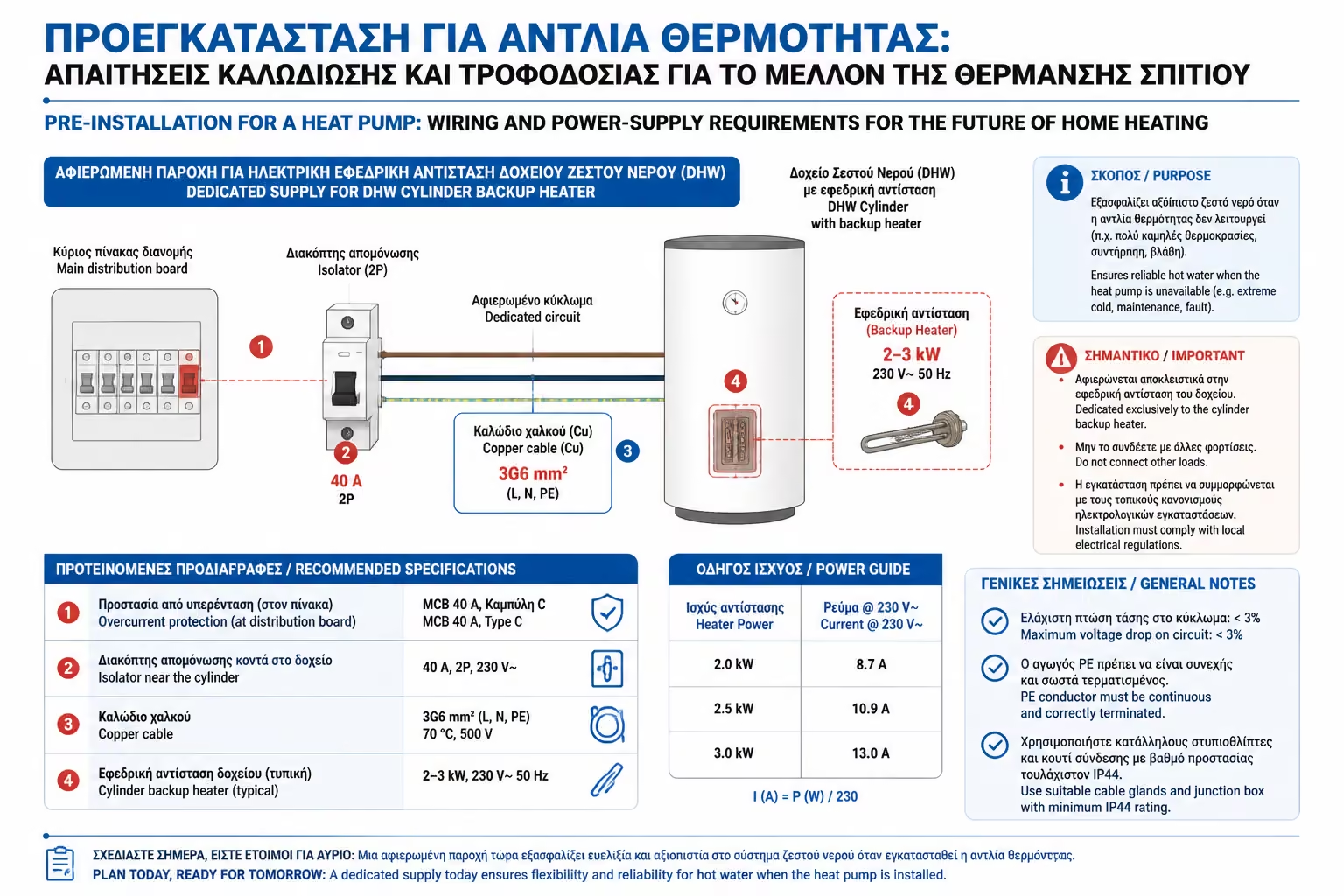
The DHW part of the system can introduce its own electrical demands.
The auxiliary resistance should not surprise the panel later.
A modest provision now saves significant time and damage later.
Pre-installation should reflect the complete future arrangement.
A heat pump needs physical reserve in the panel for its dedicated MCB, RCD and sometimes additional metering or control hardware. If the panel is already saturated, the installation becomes less clean and more difficult.
Even more critical is whether the available utility supply is genuinely sufficient. In homes with limited single-phase capacity, adding a heat pump alongside cooking or other heavy loads may require a supply upgrade or a move to three-phase service.
So correct preparation closes the full loop: cable route, control line, auxiliary provisions, physical panel space and an honest review of the total electrical capacity available to the property.
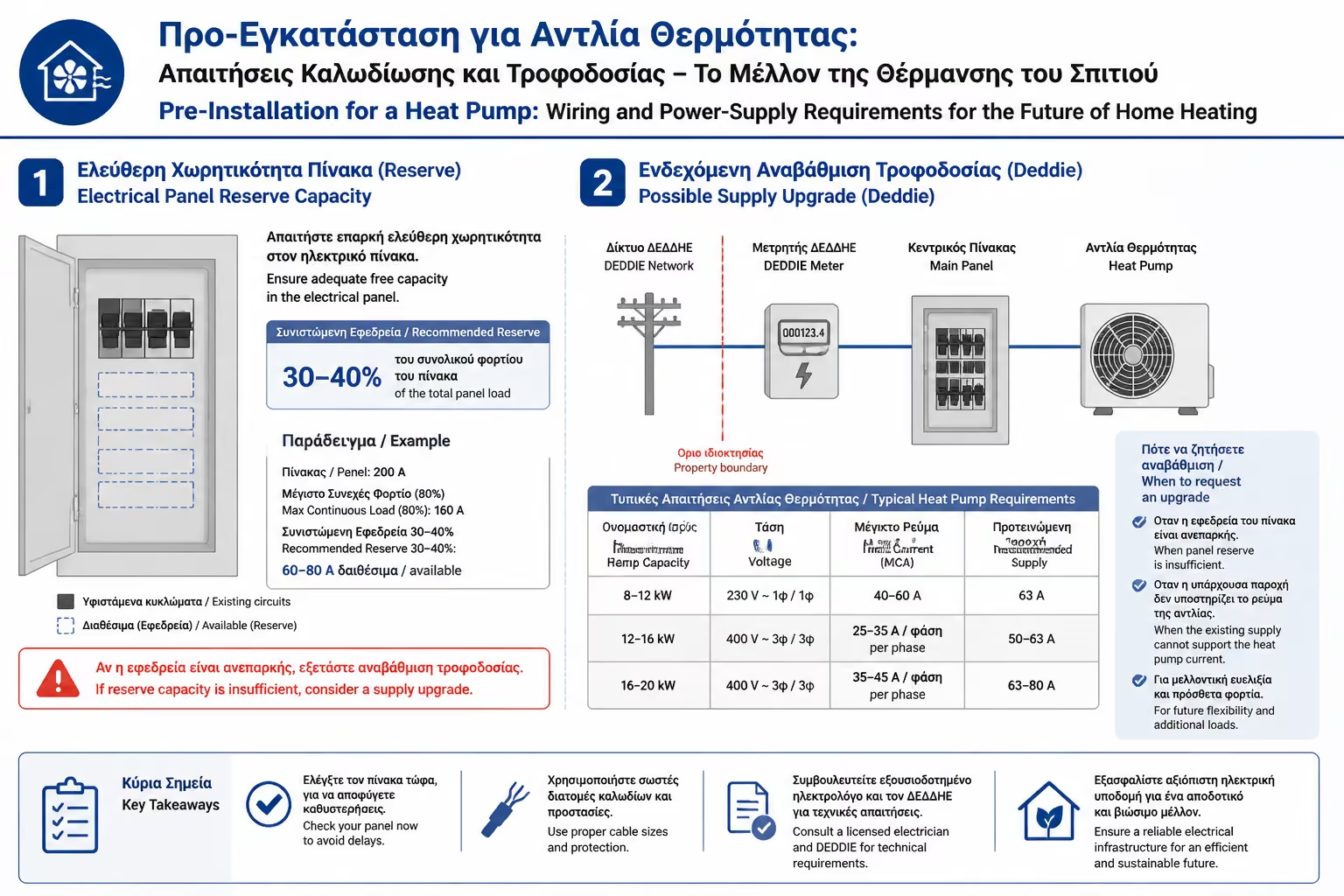
Heat-pump protection should not be forced into an already overcrowded board.
The electrical organisation of the heat pump should remain clear and independent.
The route only matters if the property can actually support the future load.
In many cases a stronger or three-phase service is the right long-term move.
Return to category.
Go to categoryReturn to the central guide.
Go to guide