Membrane instead of open hole
That is the real distinction between an airtight box and a conventional one.
If the previous article described the problem, this one describes the solution. When the goal is a highly airtight building envelope, it is not enough to ask the electrician to be a little more careful.
You need components and techniques that are specifically designed to seal air pathways. The market now offers these products, but they need to be specified during design rather than after the walls have already been closed.
From airtight boxes to the service-cavity concept, the logic changes from 'how do we fit the cable' to 'how do we route the cable without damaging the envelope'.
A conventional plastic box is full of open holes. An airtight electrical box, by contrast, relies on elastic membranes that let cables or conduits pass without leaving an open air path around them.
The membrane opens only as much as necessary and then closes tightly around the penetrating element. In that way the electrical route remains functional while the air barrier remains essentially intact.
Solutions exist for both masonry and drywall systems. What matters is selecting the correct components and pairing them with equally appropriate airtight fixing or perimeter-sealing methods.
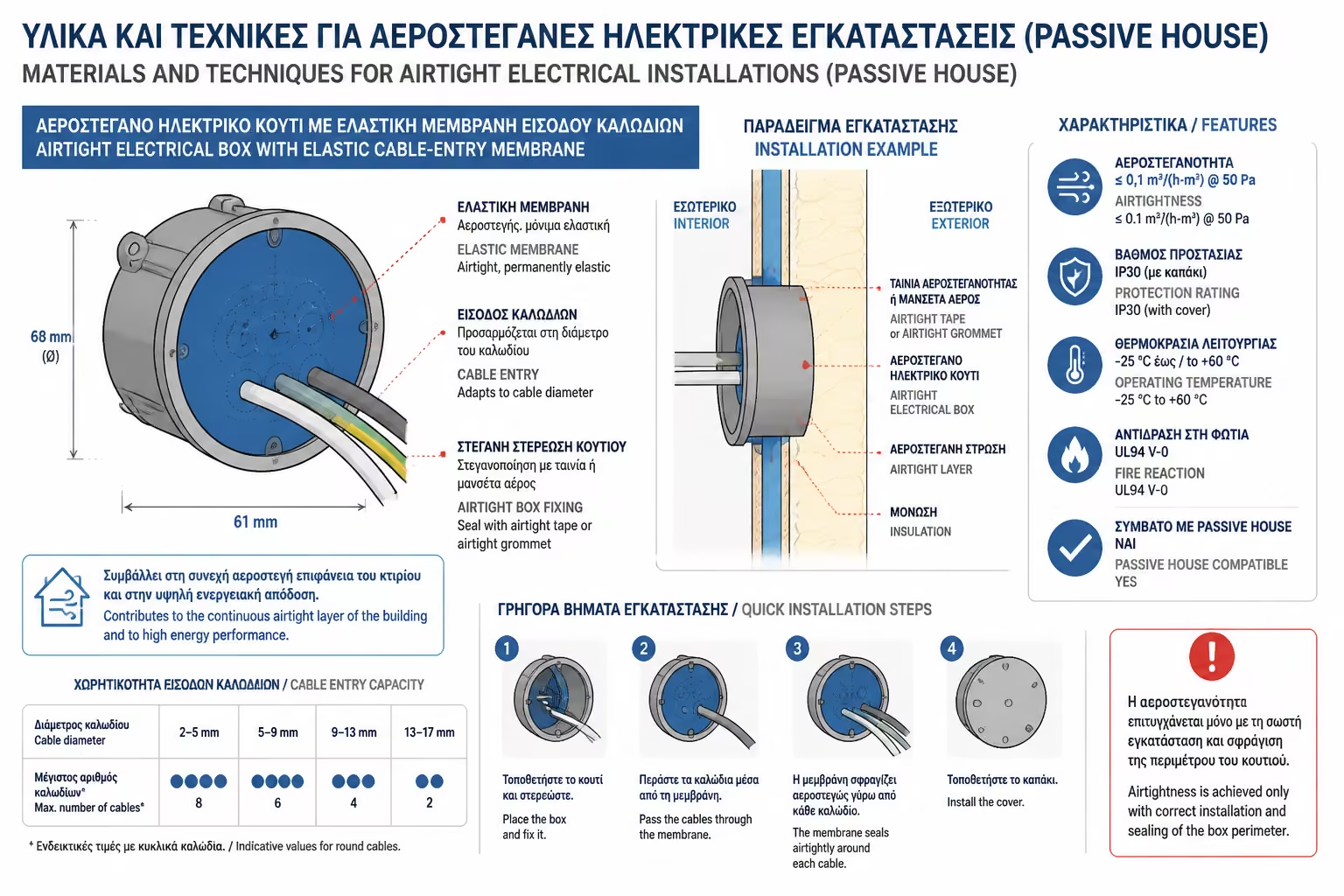
That is the real distinction between an airtight box and a conventional one.
The cable passes, but air does not gain a free pathway.
The technology is relevant across several wall systems, not only one niche market.
It is no longer just a device carrier but part of the airtightness strategy.
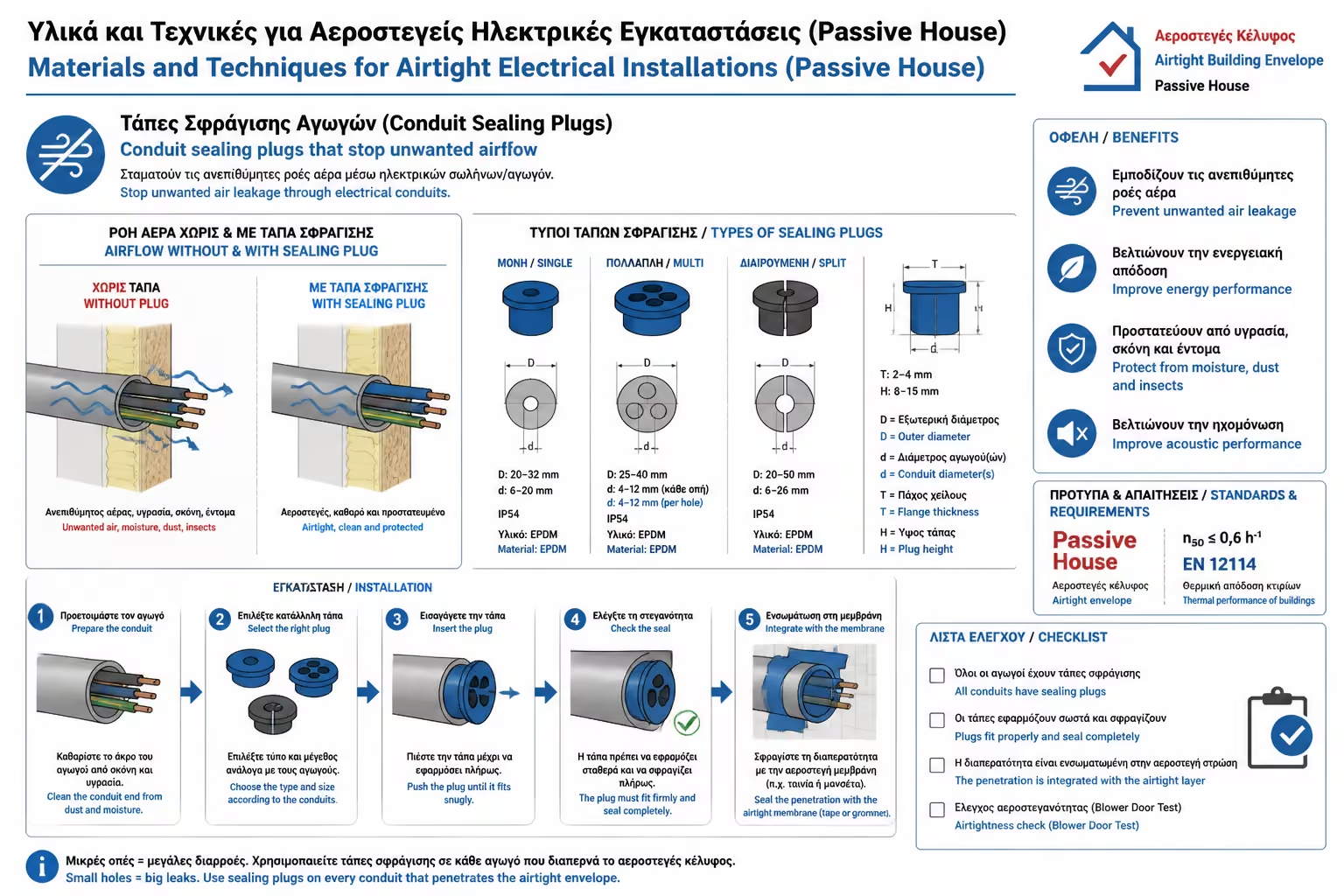
Even if the box itself is airtight, a hollow conduit can still carry air from adjacent spaces. That is where sealing plugs matter: rubber inserts that close the end of the conduit tightly around the conductors.
Unlike improvised fixes such as expanding foam or arbitrary sealant, these plugs remain controlled, repeatable and do not flood the conduit in an unpredictable way.
By stopping air movement within the route, they also reduce the likelihood of condensation forming in colder parts of the network.
If the conduit remains open, the air leakage simply shifts further back in the system.
A proper plug closes the route without damaging the cable or locking the conduit unpredictably.
Ad hoc methods rarely deliver a stable, inspectable and repeatable result.
Conduit sealing directly affects both wall behaviour and electrical durability.
In timber systems, roof assemblies and other constructions where the vapour-control layer is an independent membrane, every cable penetration is a serious detail. A simple hole is enough to break the continuity of the system.
Elastic EPDM grommets are bonded to the membrane and wrap around the cable or conduit through a flexible neck. That preserves both airtightness and tolerance to the small movement of the building over time.
This is far more reliable than improvised tapes or isolated blobs of mastic because it is designed specifically for long-term deformation, temperature change and controlled bonding to the substrate.
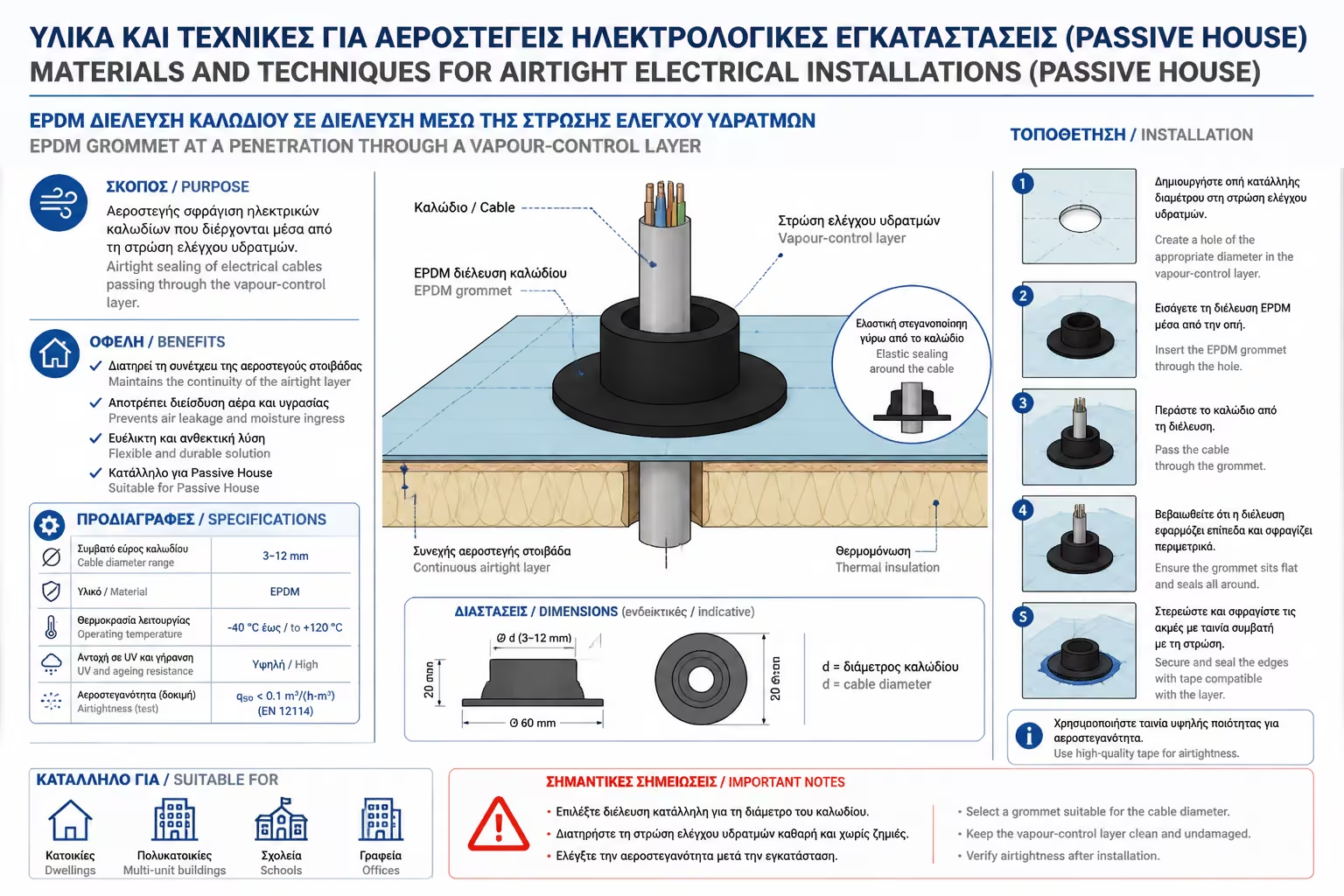
Once punctured carelessly, the continuity of the airtight layer is lost.
The material follows movement while remaining reliably sealed.
The performance of the grommet depends on how well it is applied to the membrane.
It is not seriously replaced by random site materials.
The highest-level design logic is not to seal a hundred accidental holes one by one, but to avoid puncturing the membrane at all. That is exactly what the service cavity achieves.
By creating a secondary internal frame in front of the membrane, you establish a safe zone where the electrician can route conduits, boxes and cabling without touching the airtight layer of the envelope.
The cost of that architectural move is small compared with the quality of the final result. In high-performance buildings, it is often the cleanest and most reliable strategy available.
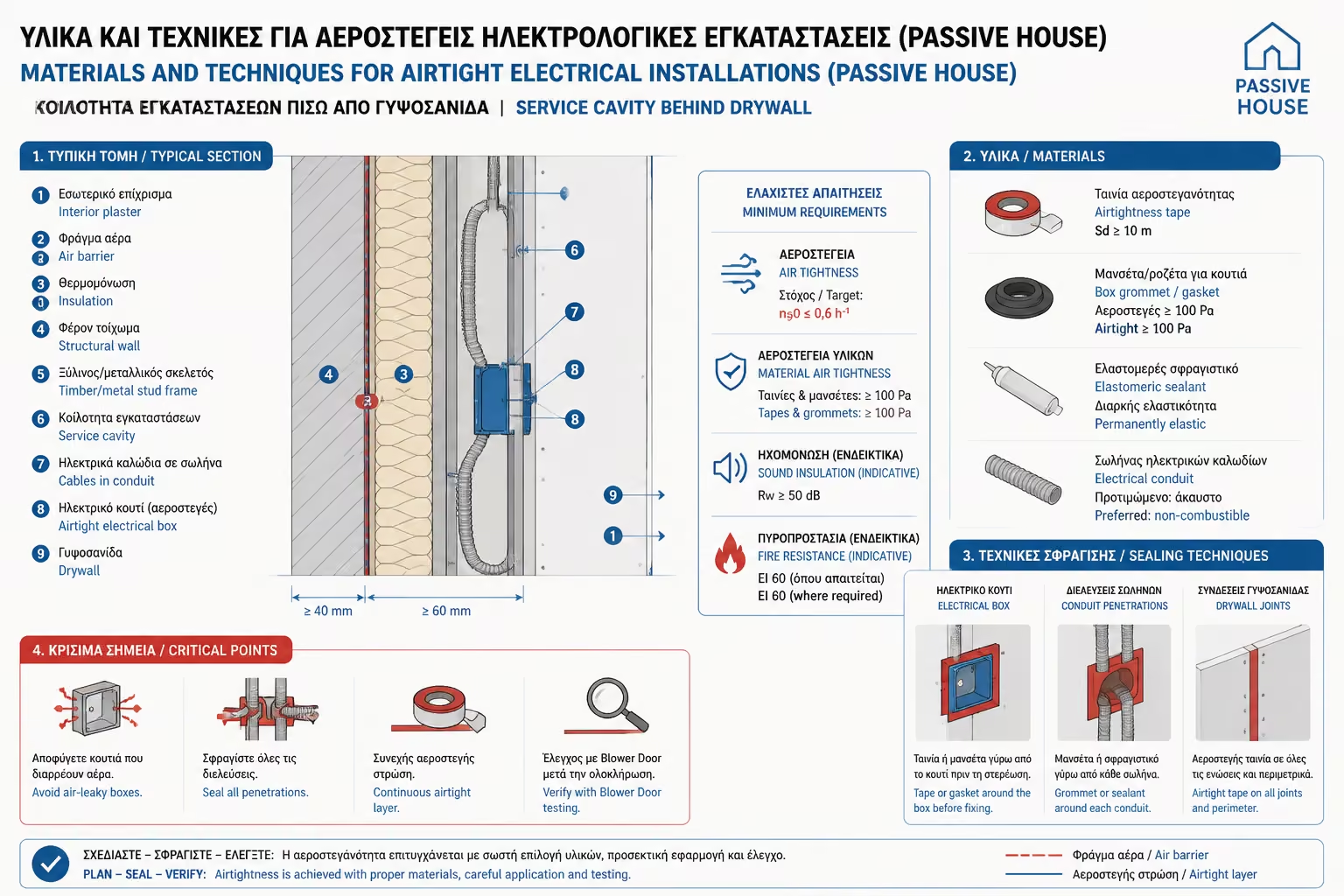
A service cavity drastically reduces the number of critical penetrations that need sealing.
Services run inside an internal void without damaging the membrane.
When the strategy is clear, random mistakes between trades drop sharply.
The higher the performance target, the more rational this architectural move becomes.
Return to category.
Go to categoryReturn to the central guide.
Go to guide