Active Energy (kWh - Kilowatt hours)
It is the number with which the electricity provider bills you.
The time when the only contact with electricity consumption was opening the envelope (or email) with the settlement account is gone forever. When the bill comes, the energy has already been consumed and the money has already been charged.
Modern energy management requires visibility at the moment consumption actually happens. The device that gives you that visibility is hidden in the heart of the installation itself: the electrical panel. That device is the digital DIN rail meter.
Let's see what exactly this device is, what information it can give you and what are the basic principles of its installation.
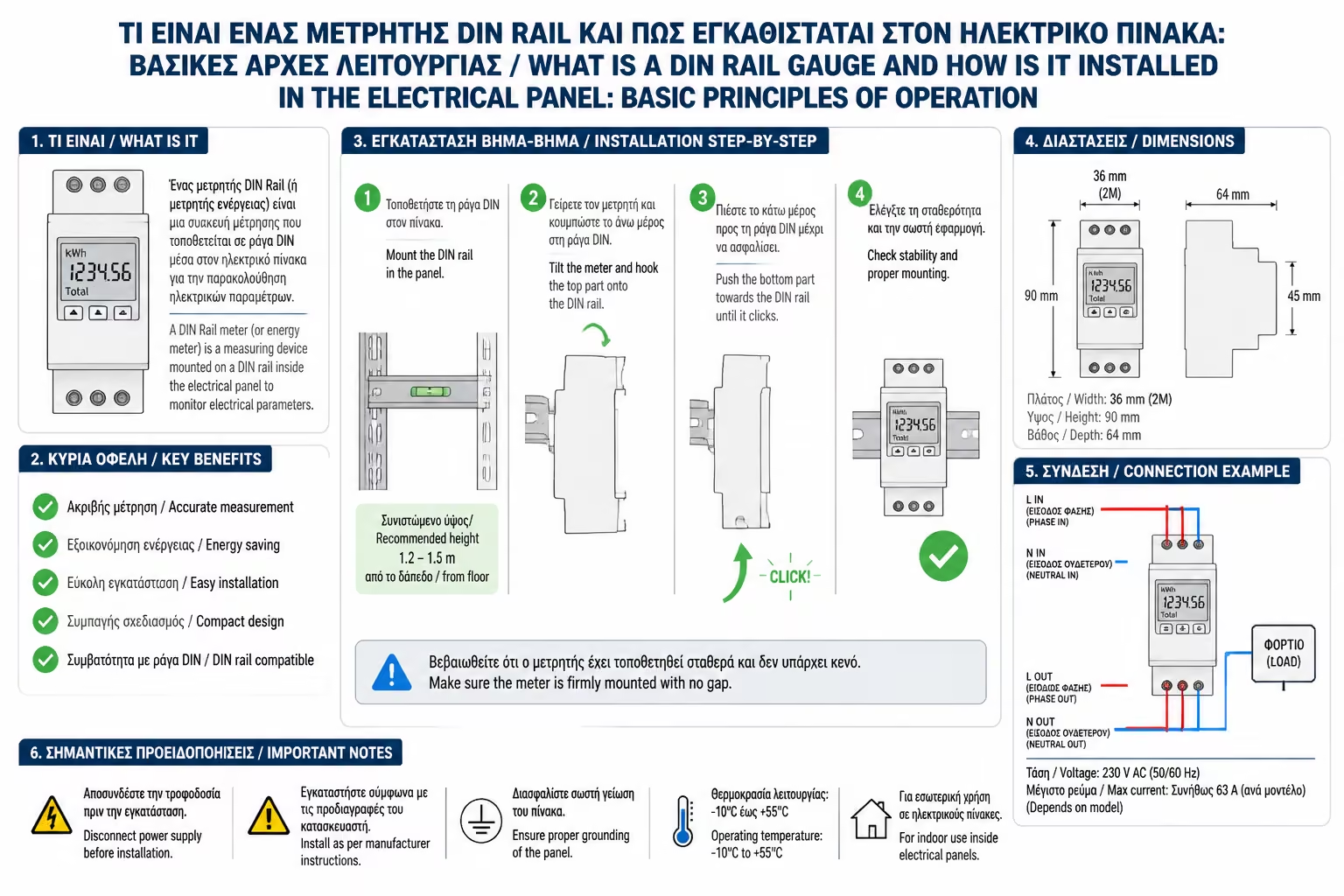
"DIN" (Deutsches Institut für Normung) refers to the German standardization institute that established the well-known metal rails (DIN rails) which are found inside all modern electrical panels. Fuses, leakage relays and switches snap onto these rails.
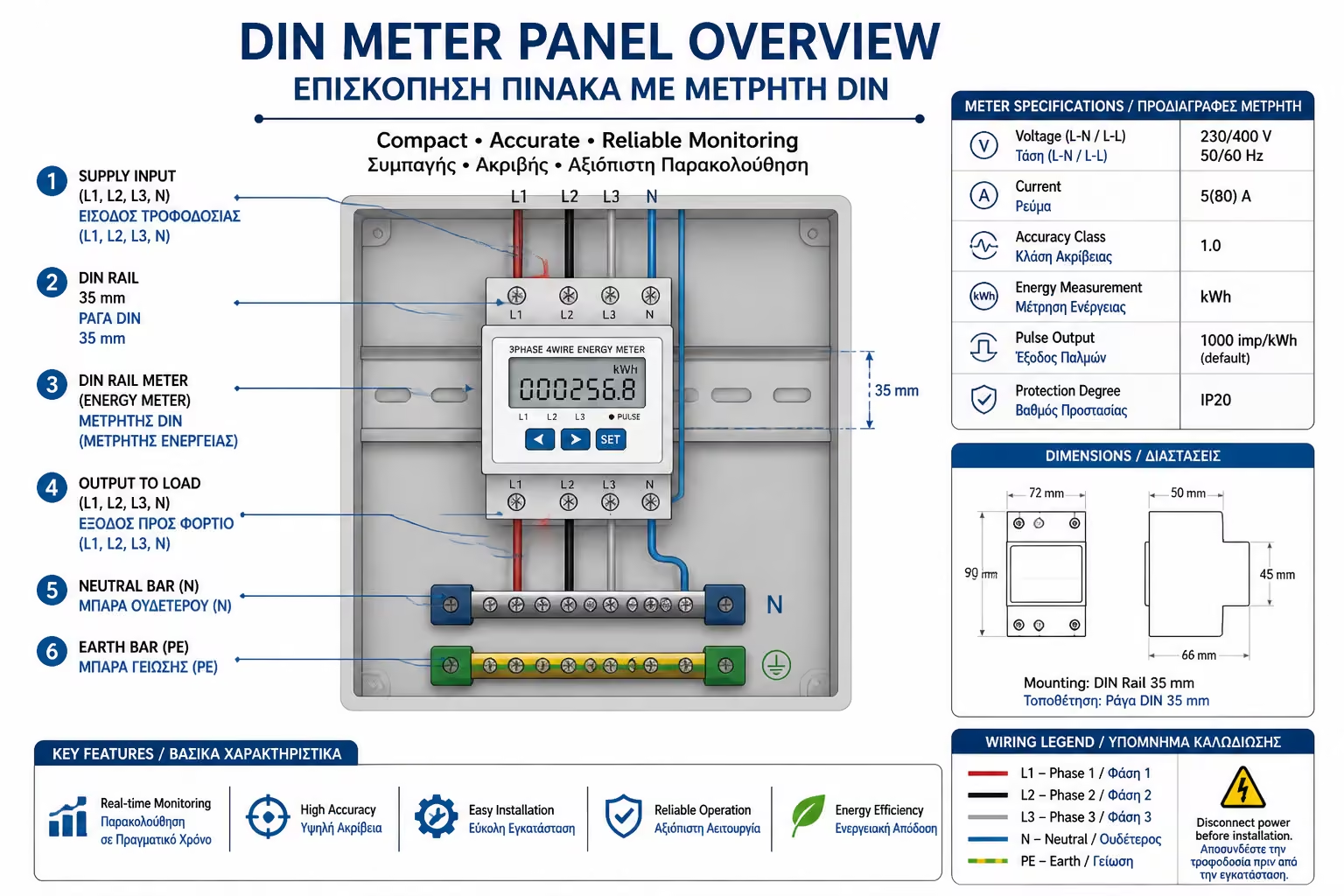
A DIN rail meter is a compact electronic device designed to snap onto the same rail as the protective devices inside the panel. Unlike the utility meter installed outside the property, a DIN rail meter, or submeter, is your own equipment. Its job is to read the electrical values passing through the panel wiring and display them on a small LCD screen or, in more advanced models, send them directly to your phone.
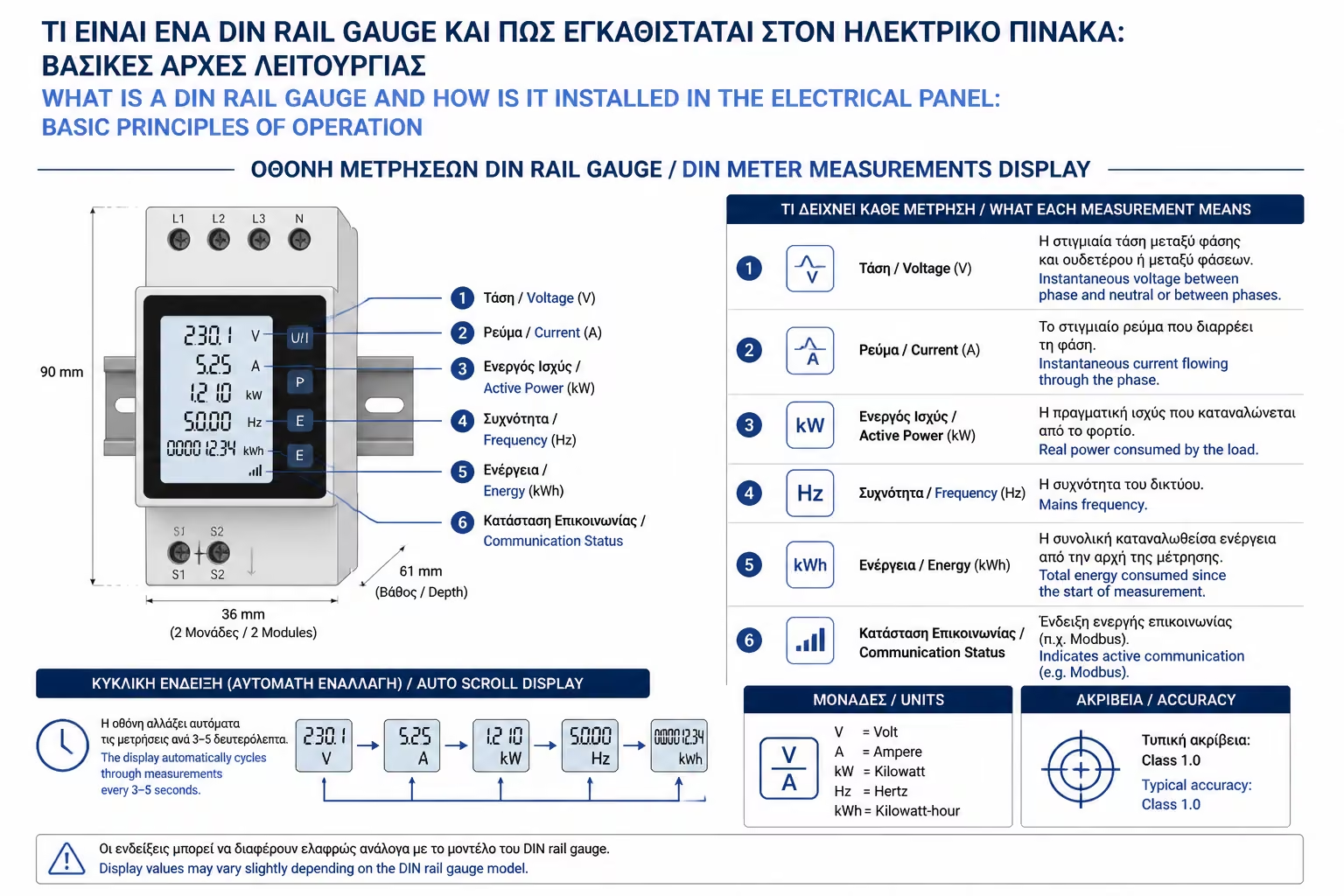
A modern DIN rail power meter does much more than total up electricity use. It also gives you several critical measurements about the installation:
It is the number with which the electricity provider bills you.
It shows how much power the house is drawing at that exact moment. For example, when the water heater turns on, you may see the reading jump by around 4000W.
It checks if the network in your area is sending the 230V correctly, or if there are dangerous voltage drops/surges that can burn devices.
It shows the "load" your wires are pulling, helping to identify if a line is at risk of blowing a fuse.
To read current, the meter must make contact with it. There are two ways, and they determine the type of meter you will buy:
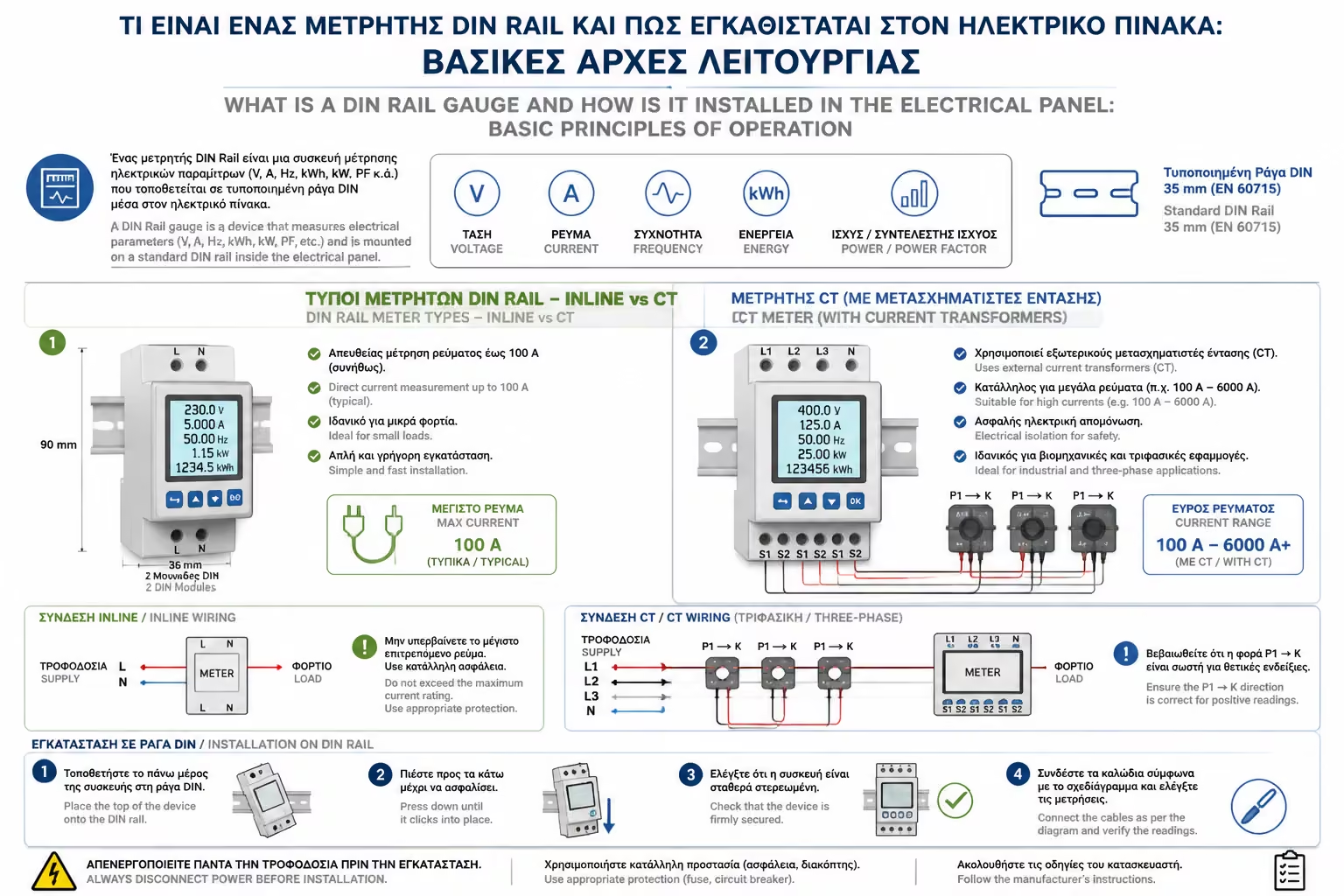
In these meters, the full load current passes through the device itself. The phase conductor, or the specific line you want to measure, enters the upper terminal of the meter and exits from the lower terminal toward the loads. Advantage: excellent accuracy and a compact format. Limitation: because the full load passes through the device, these meters have a physical current limit, typically 40A, 60A or 80A.
If you have very large loads, such as a workshop, or do not want to cut the main supply conductor, indirect metering is used. The system includes a current transformer, or CT clamp, which clips around the phase conductor without cutting it and reads the current magnetically. The meter itself only needs a small supply to power its electronics and display. This is the safest solution for larger installations and higher currents.
The following description is for informational purposes only. Any work inside the electrical panel, where there are exposed high voltage contacts, must be carried out strictly and only by a licensed electrician installer, with a complete interruption of the power supply from the main switch.
A digital DIN rail meter is the first and most important step in a serious energy-monitoring strategy. Installed neatly inside the electrical panel, it gives you the visibility needed to understand how and where electricity is being used and forms the basis for any future energy-saving plan.
Next Step: We have seen how a panel-mounted meter works. But what happens when you want to measure, and perhaps allocate, the electricity used by a tenant, a storage area or an upper floor while there is only one central utility meter? We continue with the guide: Sub-metering: How to Measure the Consumption of a Floor, Room or Storage Area Separately.
Return to category.
Go to categoryReturn to the central guide.
Go to guide