3 Phases (L1, L2, L3)
These bring the energy.
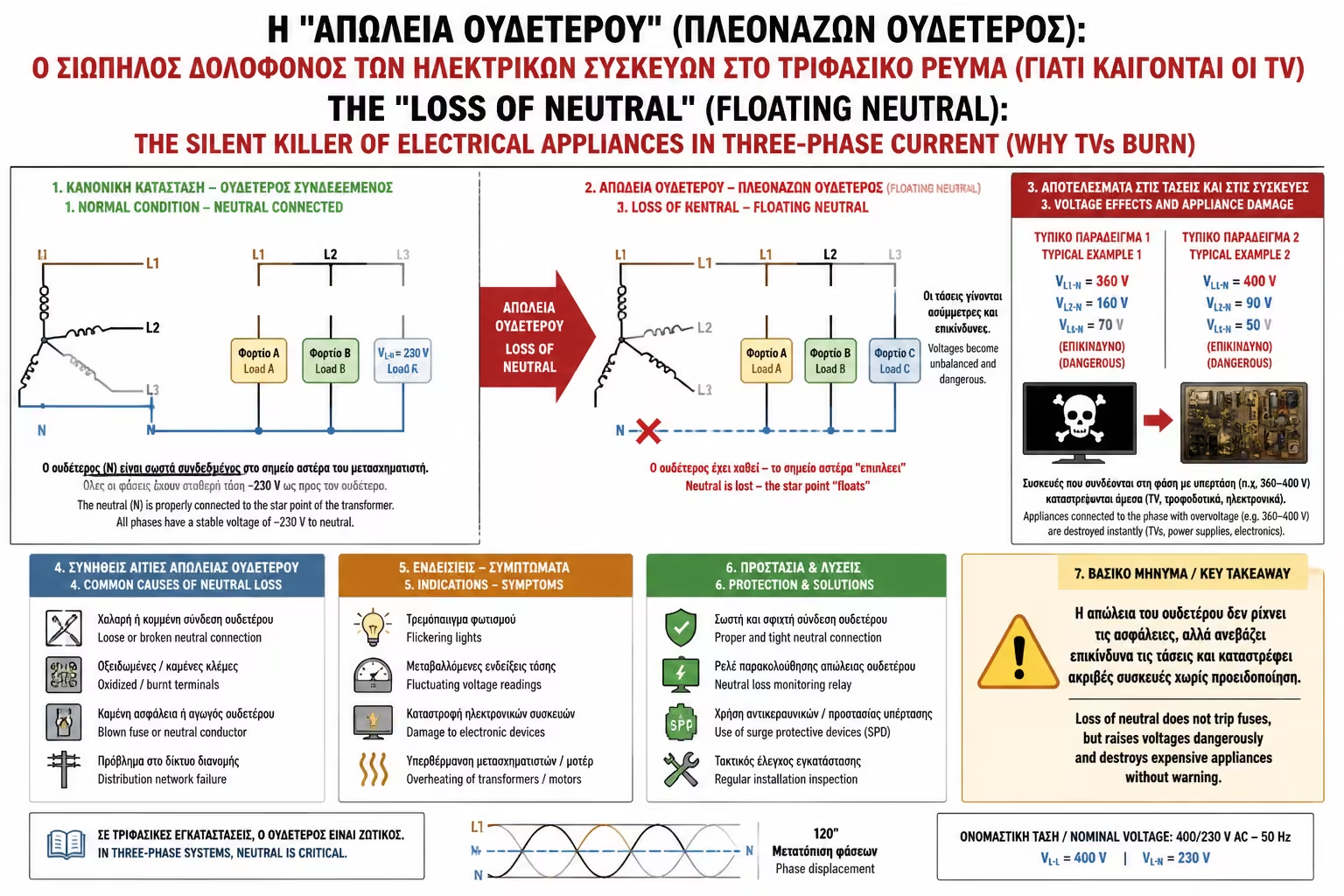
You come home after a power cut, restore the supply, and within seconds the house behaves wildly. A TV pops, the UPS screams, one group of lights becomes blindingly bright while another barely glows, and sensitive electronics begin to fail.
No lightning struck the building. This is one of the most destructive faults that can hit a three-phase installation: floating neutral, also known as loss of neutral.
The mechanism is simple but brutal: once the neutral reference is lost, some single-phase circuits can suddenly see dangerous overvoltage. That is why this fault destroys TVs, chargers, routers and control boards so quickly.
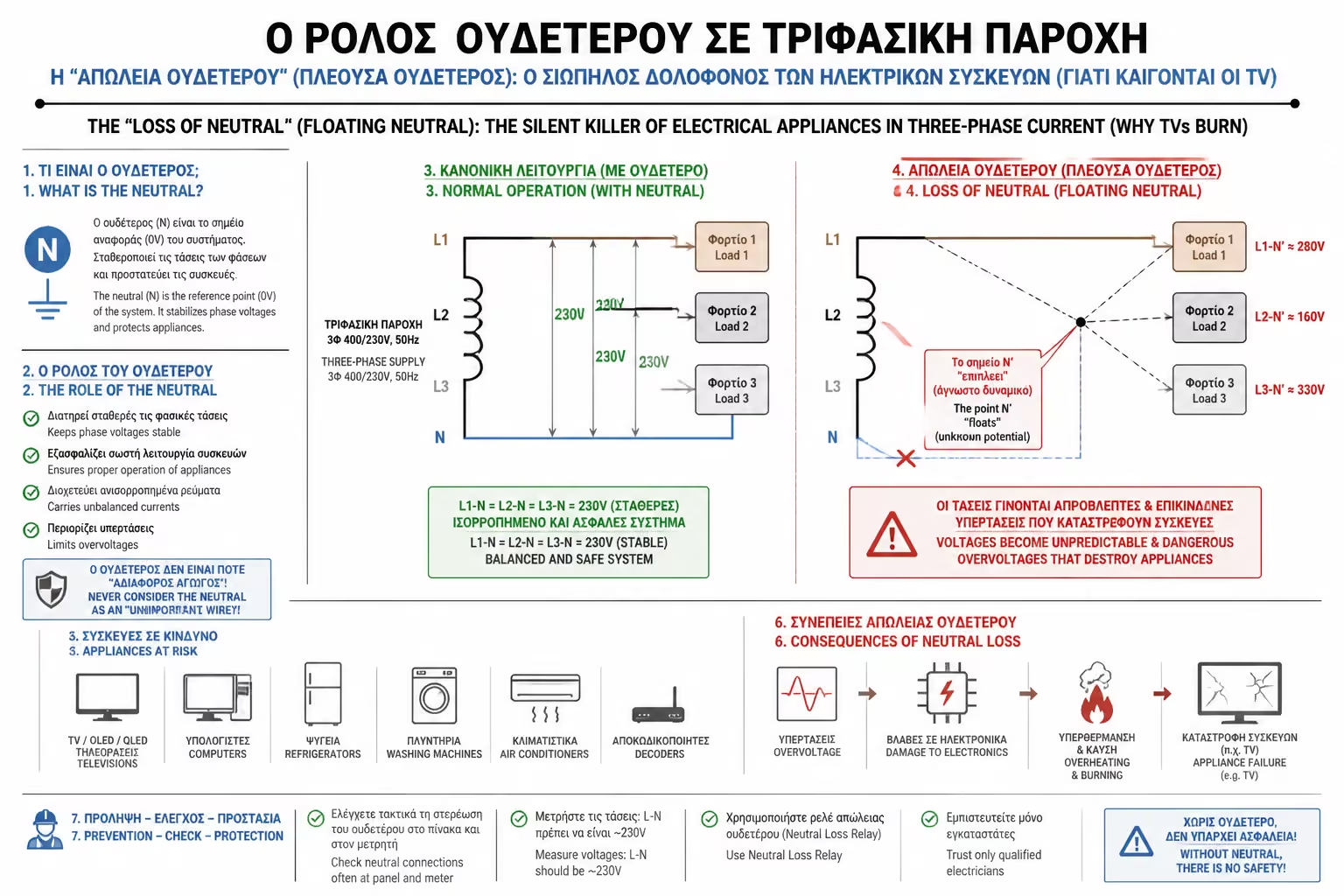
To understand the failure, start with the basic layout of a three-phase supply: three phase conductors and one neutral conductor.
The voltage depends on which conductors you measure between:
The neutral acts as the reference point that keeps these single-phase loads stable.
These bring the energy.
This is the "return" cable.
Trouble begins when that neutral conductor is cut, loosened or badly connected somewhere upstream of the house loads.
In a single-phase installation, a broken neutral usually just interrupts the circuit. In a three-phase system, the consequences can be far worse.
Once the neutral reference is lost, the phase voltages no longer remain neatly balanced at 230V. The actual voltage seen by each circuit shifts according to the connected loads, and some circuits can be pushed dangerously high.
In practice the connected appliances become part of an unstable voltage divider:
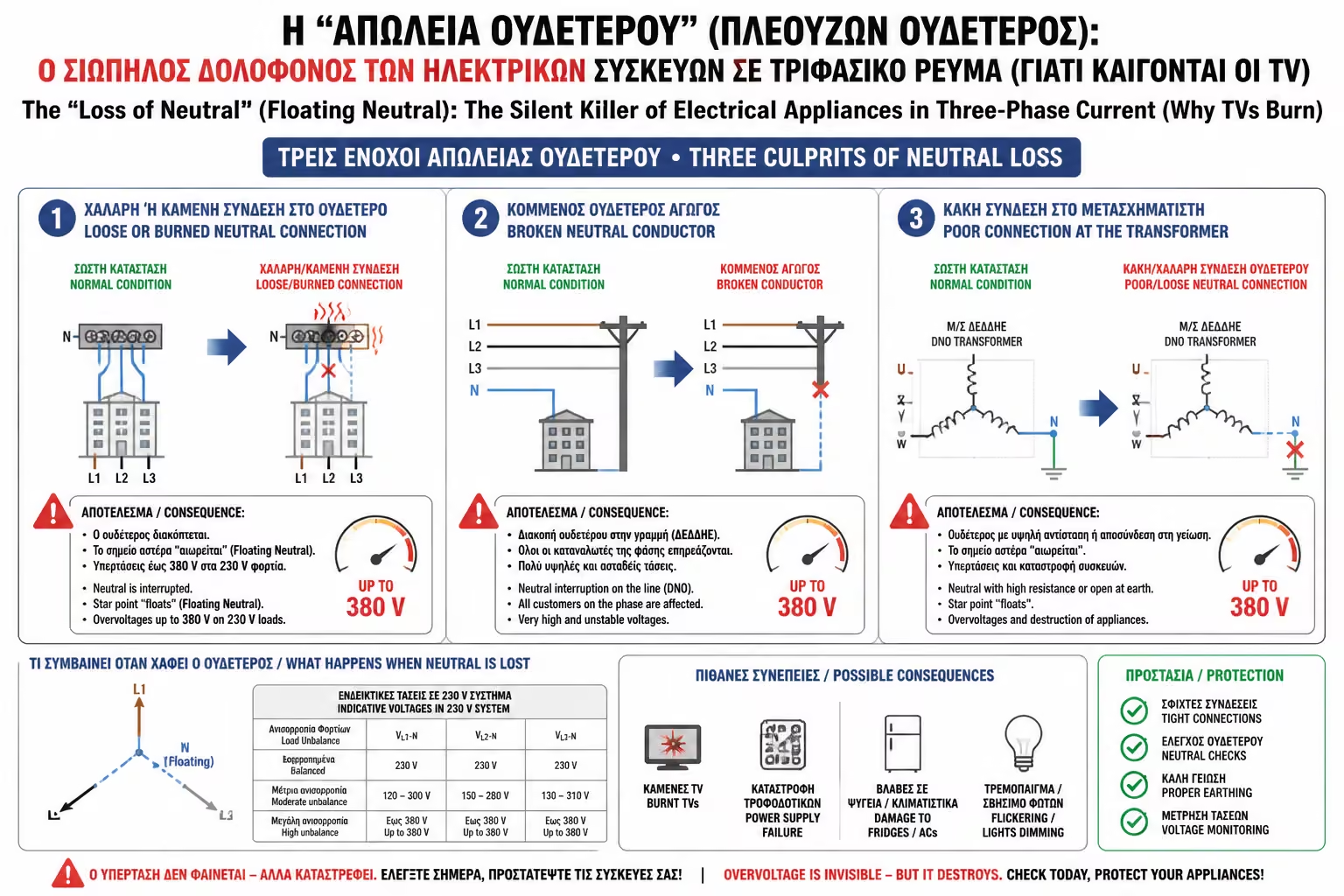
A neutral fault can appear in several places:
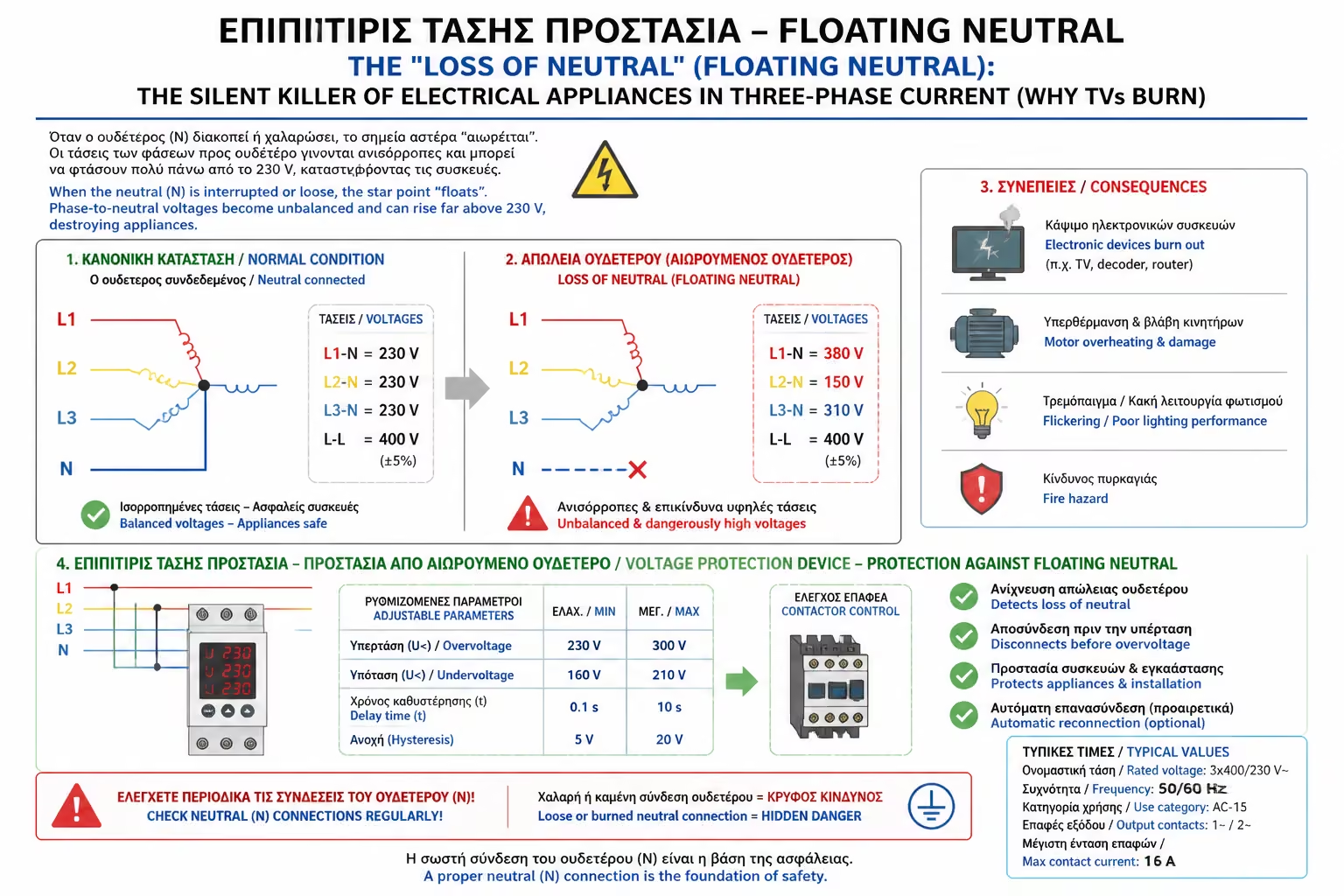
You cannot control every external fault, but you can protect the installation properly. On a three-phase property, a voltage monitor is one of the most valuable protective devices you can add.
A voltage monitoring relay is a compact electronic device installed inside the main panel.
If your property has three-phase supply, loss of neutral is one of the biggest electrical risks to your equipment. It is often more realistic than a lightning strike, harder to predict, and expensive to recover from. Proper neutral integrity and a good voltage monitor are the right defensive measures.
Next Step: As devastating as 400V is, there's something that scares owners even more, because it combines electrical with plumbing. What do you do when the cables meet the pipe leak?
Return to category.
Go to categoryReturn to the central guide.
Go to guide