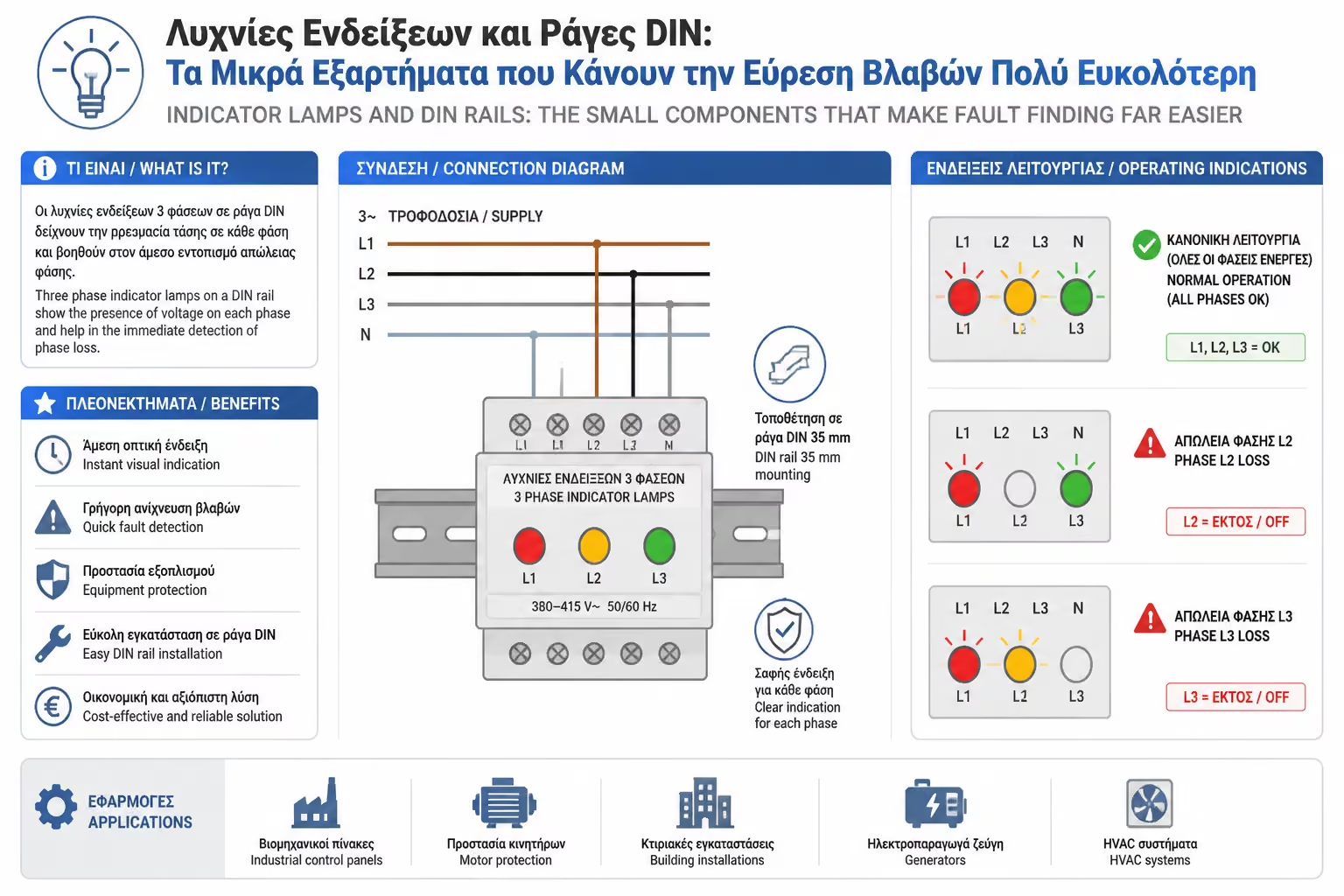
Visual information saves time
A small lamp can clarify the first picture of a fault very quickly.
In panel design, attention usually goes to the large devices: RCDs, breakers, main switches and surge protection. Yet the practical quality of a panel often reveals itself through smaller support components, the ones that make maintenance cleaner, diagnosis faster and the whole arrangement genuinely professional.
Indicator lamps are a perfect example. A small light can give a technician, or even an informed owner, immediate information about supply presence, phase loss or whether a critical part of the panel is live. Likewise, the DIN rail is the foundation that enables the modular architecture of modern boards.
These devices may not draw attention the way an RCD or SPD does, but they provide the infrastructure that makes a panel smarter, more legible and easier to extend in the future.
In practice, this means fewer blind checks, fewer unnecessary disconnections and a much more methodical service approach when something unusual happens. Good auxiliary components do not merely decorate the board; they increase the clarity with which the whole system can be read and maintained.
In a single-phase panel, a correctly placed lamp can immediately show whether supply is present beyond the selected point. This helps separate an external outage from an internal problem very quickly. Diagnosis time drops because the first information arrives visually before instruments are even used.
In a three-phase panel, three separate lamps can make single-phase loss visible almost instantly. Instead of starting blindly at the loads, we gain direct evidence that the issue lies in the supply or in one specific phase of the incoming side.
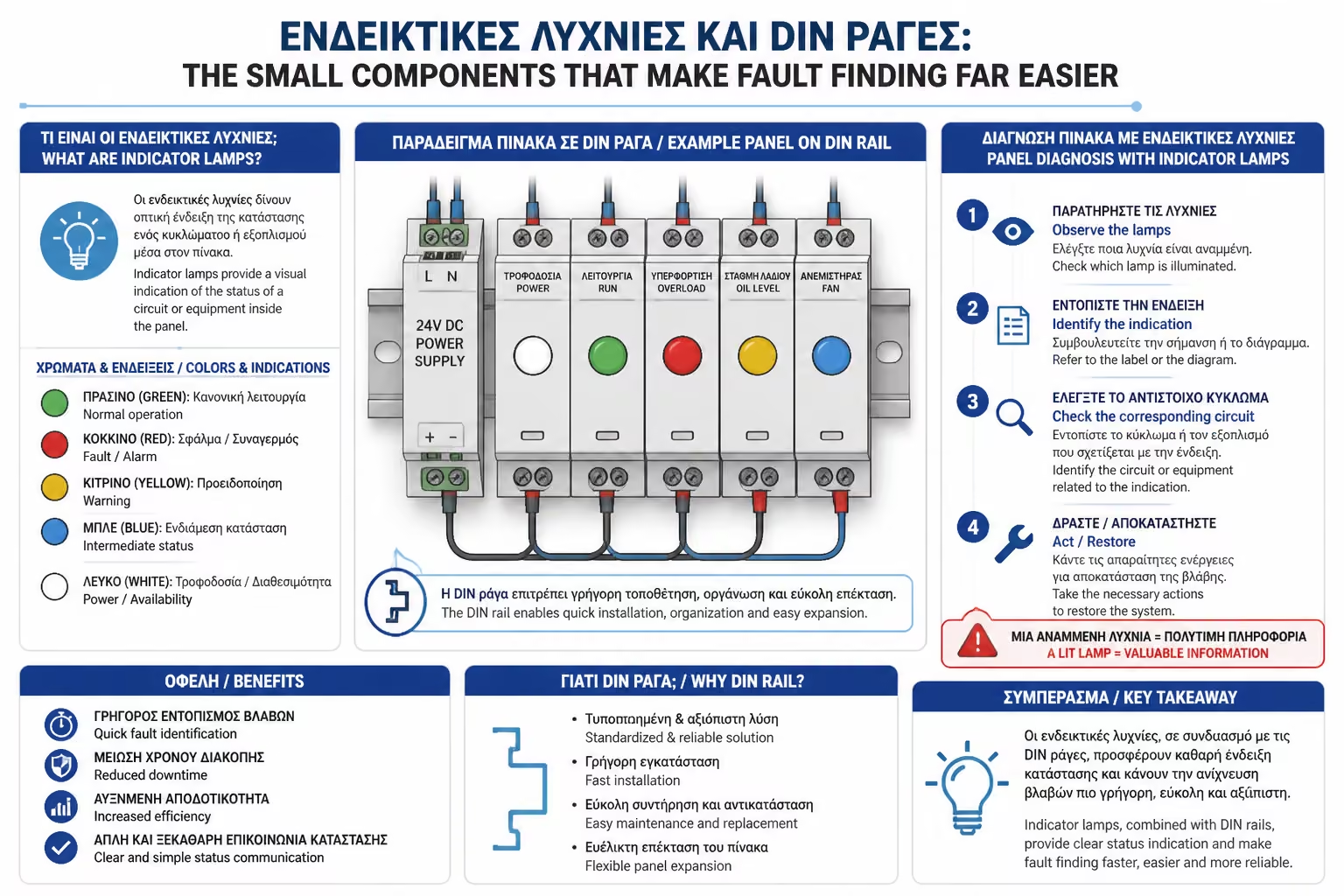
A small lamp can clarify the first picture of a fault very quickly.
In three-phase systems, phase-by-phase indication is extremely valuable.
The lamp should indicate the actual point we want to supervise.
It is a tool for the functional legibility of the panel.
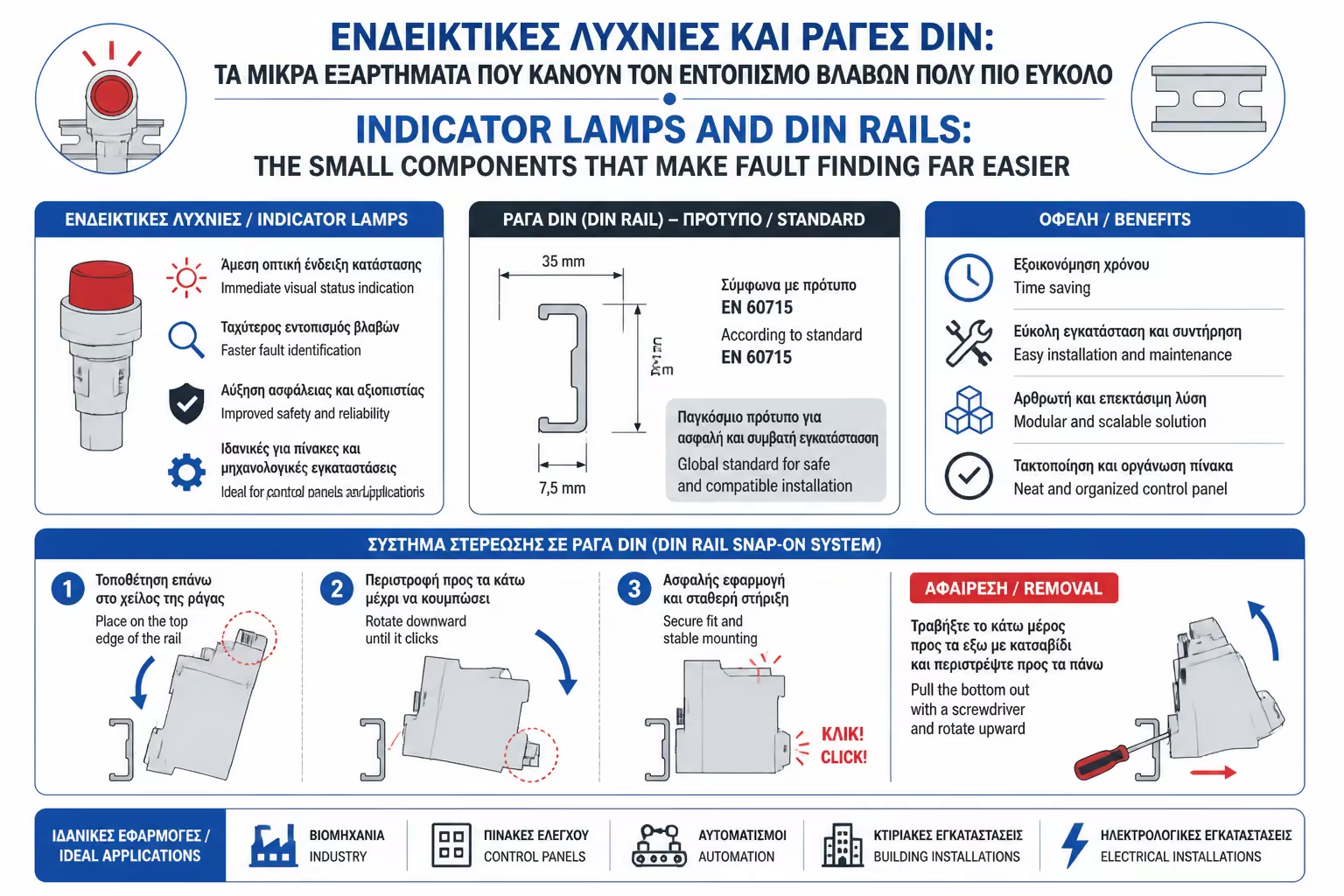
The DIN rail established a unified mounting method for modular devices, allowing equipment from different manufacturers to be arranged in a predictable and compatible way. This is a major advantage for design because the panel stops being a collection of improvised parts and becomes a standardised platform.
Snap-on mounting also simplifies installation, replacement and later upgrades. The technician can remove or add modular devices through a much cleaner process without needless intervention in the panel’s mechanical base structure.
Devices from many manufacturers can be organised on a common base.
Removing or adding equipment is faster and cleaner.
Architecture no longer depends on the quirks of each device.
New devices can be integrated without redesigning the whole system.
A DIN rail can carry indicator lamps, timers, contactors, voltage monitors, smart modules, power supplies, modular sockets, bells and many other support devices. That means the panel is not merely a protection point, but can become a well-organised technical control hub.
The more mature the design, the more clearly it becomes apparent which elements belong inside the panel and which should remain outside. The DIN rail gives freedom, but the engineer must add discipline so the final result remains readable and maintainable.
The modular logic allows many support functions to live inside one organised space.
Capability does not mean every accessory is justified in every project.
An overcrowded panel loses its readability.
Modular freedom should serve architecture, not create chaos.
A panel that is informative visually and organised mechanically allows the technician to react faster, measure more methodically and avoid unnecessary trial-and-error. That reduces time, error probability and intervention cost, especially where faults are intermittent or complex.
So when we speak about these small components, we are not talking about decorative extras. We are talking about the quality of everyday panel management. A serious board is not only safe when everything works, but also legible when something goes wrong.
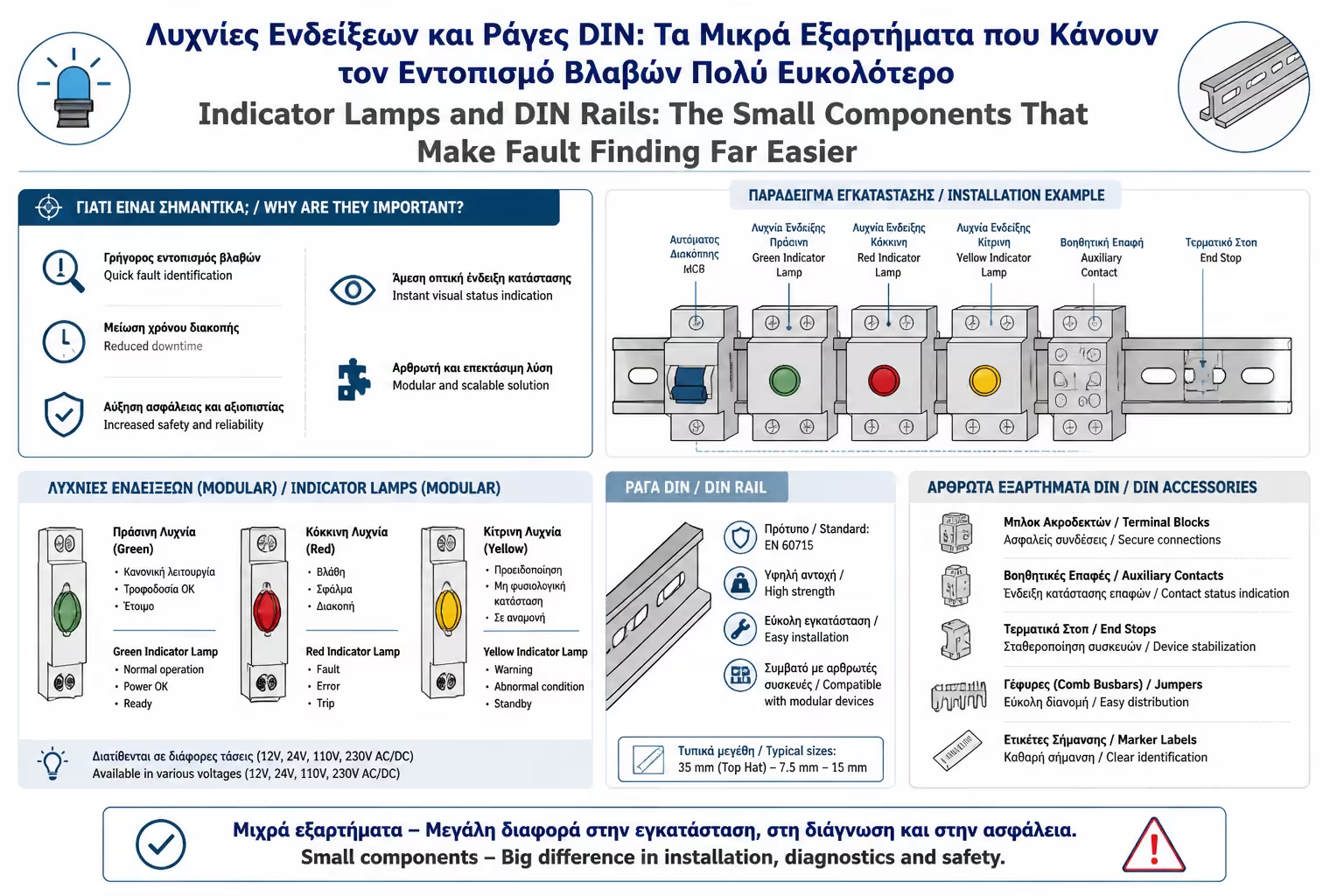
The right indicators help the technician identify the issue earlier.
The structure of the panel should guide correct working practice.
Less uncertainty means less time and fewer mistakes.
Quality shows when a fault can be understood quickly.
In a good panel, even a small indicator lamp or a properly organised DIN rail can save hours of pointless troubleshooting.
Return to category.
Go to categoryReturn to the central guide.
Go to guide