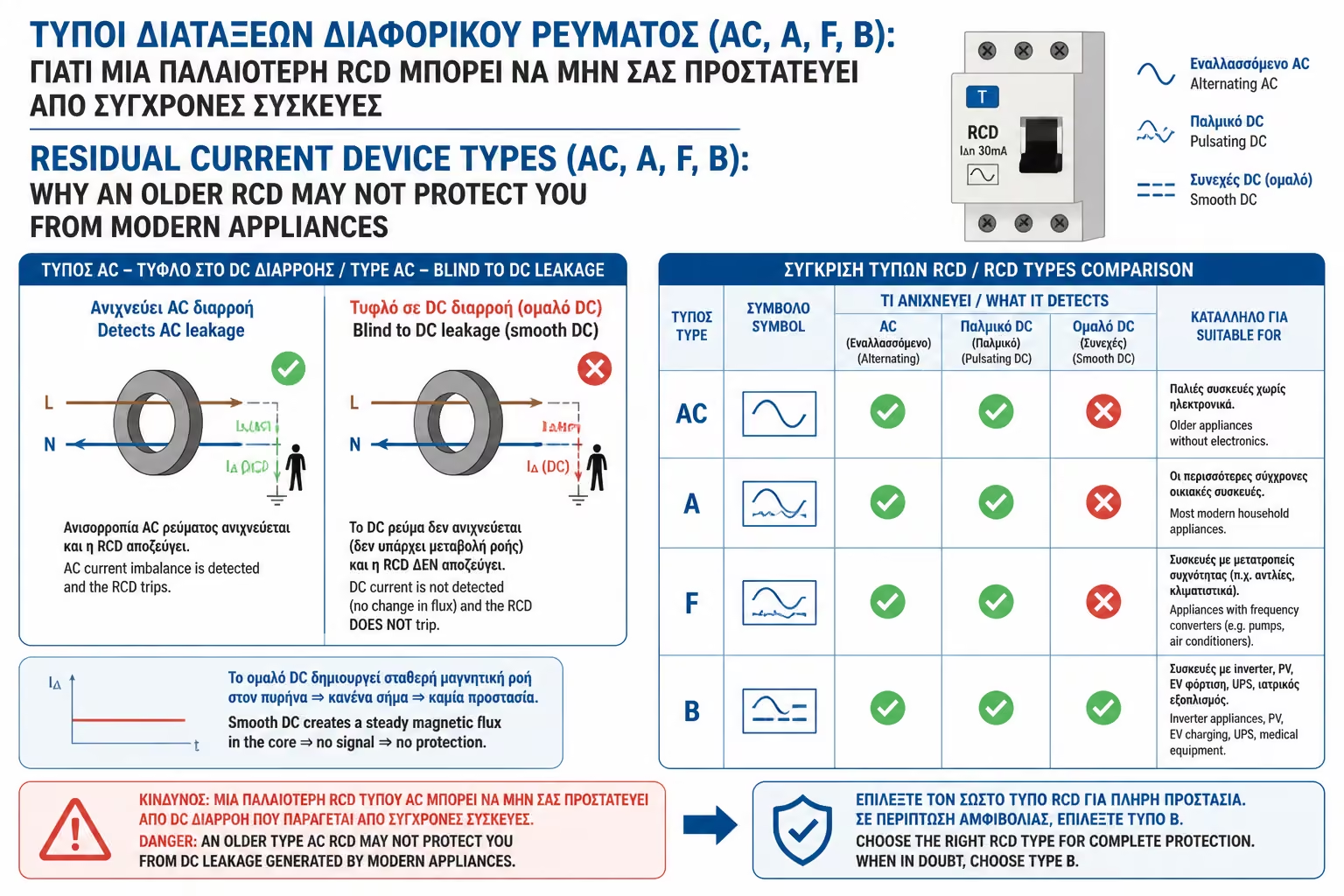
AC sees only the basic case
It is primarily designed for classical alternating residual current.
The presence of an RCD in the panel does not automatically mean the house is correctly protected against every modern electrical load. For many years the most common residential solution was the Type AC device, designed for a world of simple resistive loads, classical motors and far fewer electronic systems.
Today the same house may contain inverter air-conditioning, induction cooking, computers, chargers, LED drivers, electronically controlled washing machines, a heat pump or an EV charger. These appliances do not behave electrically like older loads. They can generate leakage patterns that an older RCD may fail to detect properly or may handle poorly.
That is why selecting the RCD type is not a shopping detail but a core protection-design decision. You need to know which device sees which leakage form, where Type A is enough, when Type F adds value and when Type B becomes effectively mandatory.
Type AC devices were designed to detect pure alternating residual current. In installations dominated by simple heating loads, older motors and minimal electronics, that logic was adequate for years. The problem begins when we ask the same device to protect loads that internally rectify, chop or shape current electronically.
Modern appliances can create leakage with pulsating or mixed characteristics that no longer resemble the clean sinusoidal pattern expected by a basic Type AC device. In practice this means the RCD may respond incorrectly, respond late or even behave unreliably when DC components influence its internal magnetic behaviour.
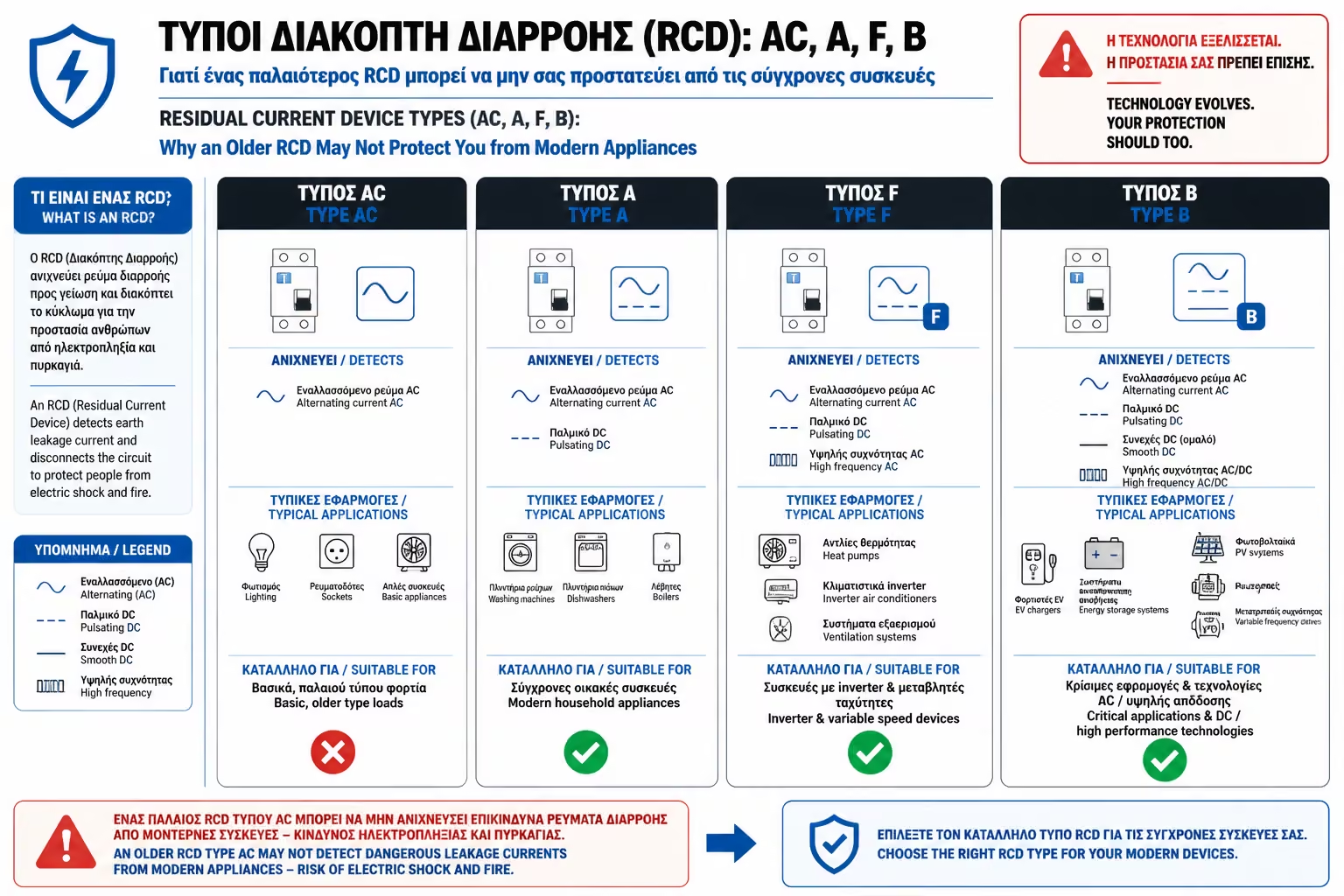
It is primarily designed for classical alternating residual current.
Inverters, power supplies and electronic controllers create more complex leakage signatures.
A cheap Type AC can be false economy when the load is technologically modern.
The fact that it was commonly installed in the past does not mean it suits the present house.
Type A extends Type AC protection by recognising pulsating DC residual current as well, which is exactly the form often produced by modern electronic appliances. That is why it is widely considered the new minimum serious standard for residential work.
For washing machines, induction hobs, LED drivers, computers, televisions, chargers and many inverter-based appliances, Type A is a far more rational choice than Type AC. It is not a luxury upgrade but a straightforward adjustment of the protection strategy to the real technology now entering homes.
It detects leakage forms that electronic devices commonly create.
A contemporary home is full of power supplies, inverters and electronic modules.
In practice it is the minimum sensible level for a new or renovated installation.
A relatively small cost increase can significantly improve functional safety.
Type F is used where better behaviour is required around more demanding inverter loads and where leakage frequency content becomes more complex. It is not necessary in every house, but it is a serious option when the engineer wants more robust compatibility with specific appliance categories.
Type B sits in a different league. Here we are dealing with smooth DC residual current and applications such as EV chargers, larger heat pumps or special technical uses. In those scenarios, Type B is not a luxury. It is the protection class that actually matches the installation.
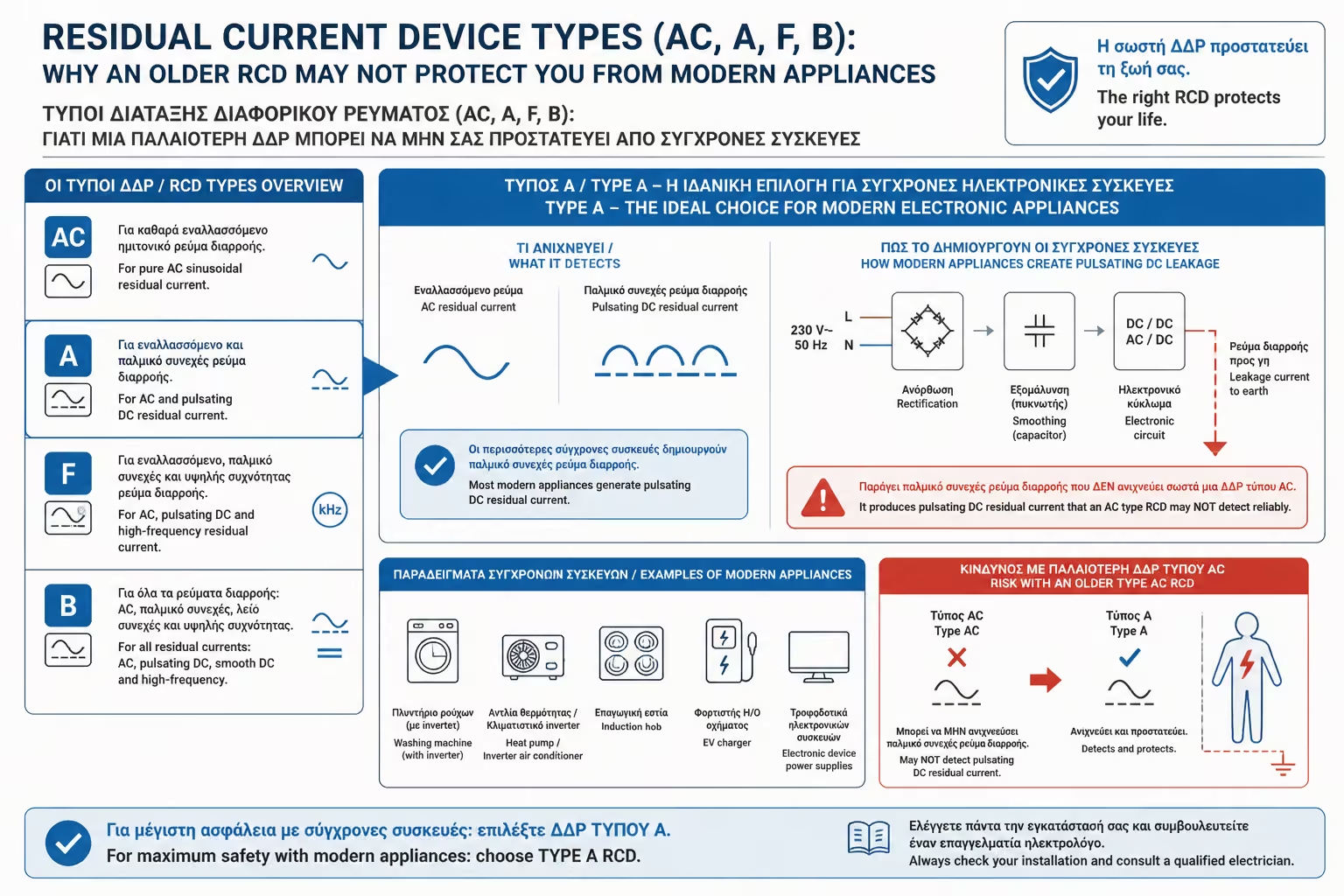
It addresses demanding inverter scenarios with better tolerance and more appropriate response.
It also detects smooth DC residual current where other types may be insufficient.
Protection must follow the technology of the installation, not old habits.
The wrong selection can leave a real gap in electrical safety.
Many homes are assumed safe simply because some RCD has existed in the panel for years. That is the wrong criterion. A proper evaluation starts with the actual appliance mix in the property today and the loads expected to be added tomorrow.
If the home already includes inverter equipment, induction cooking, modern white goods, smart-home infrastructure or plans for a heat pump and EV charging, then the discussion about Type A or Type B is not abstract. It becomes part of the basic electrical update that should be carried out together with the panel and the wider protection strategy.
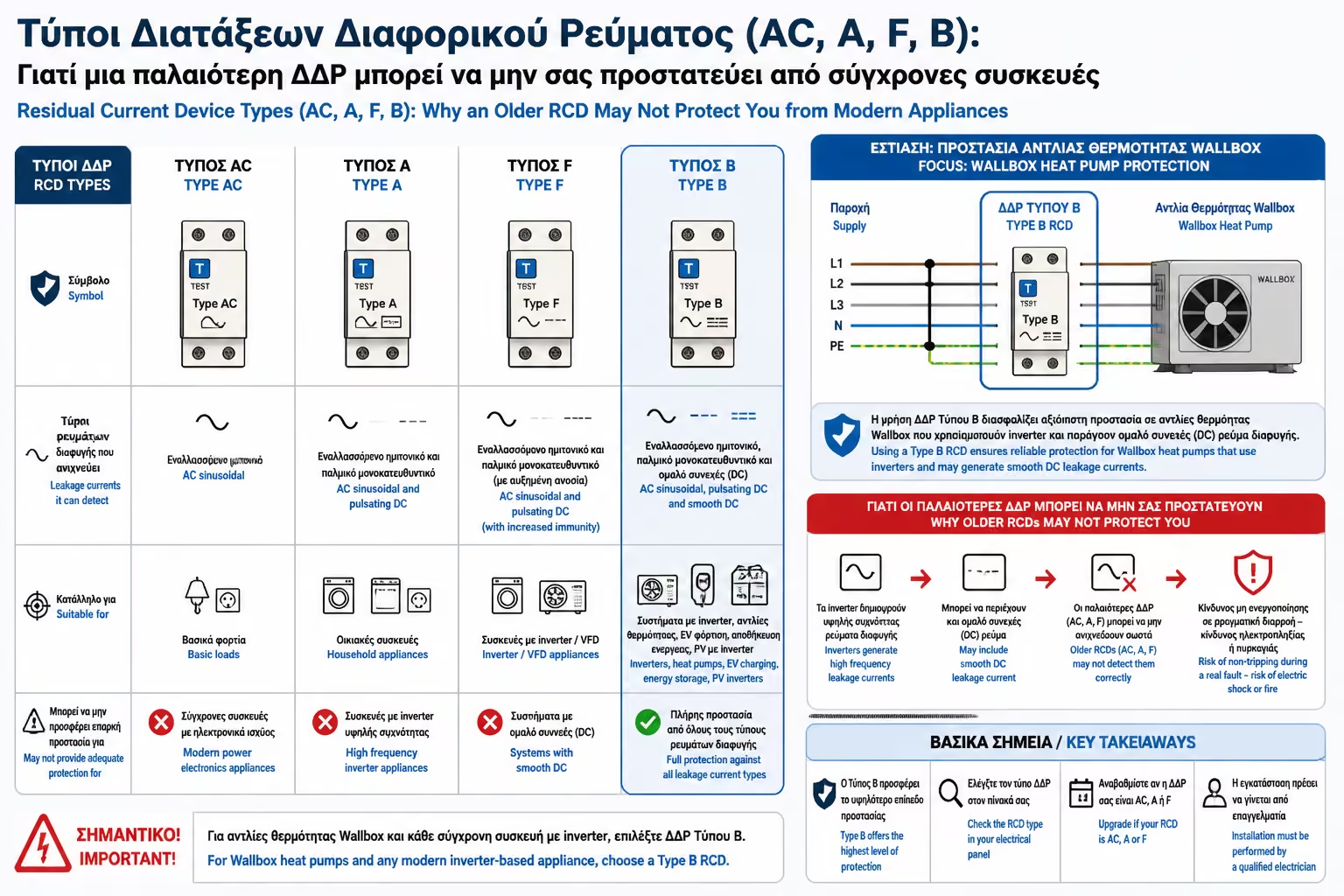
The RCD must evolve with the appliances instead of remaining tied to an older pattern.
It is not enough to see whether the test button works; the device type must also be correct.
Changing the type corrects weaknesses before they appear in service.
RCDs, breakers, grounding and connected loads must be evaluated as one protection architecture.
The correct RCD is not chosen by installer habit but by the actual leakage forms the installation may produce.
Return to category.
Go to categoryReturn to the central guide.
Go to guide