
Touch voltage is the real danger
When two metal parts sit at different potentials, the person becomes the bridge.
Earthing and the RCD protect the installation, but they do not by themselves eliminate every danger in spaces where a person is wet, barefoot and in contact with multiple metal parts. That is where equipotential bonding becomes essential.
Its core logic is simple but powerful: it prevents accessible conductive parts from drifting to different voltages. If all those parts remain at essentially the same potential, current has far less reason to pass through the human body.
For that reason equipotential bonding is not a luxury add-on but a second level of safety that works alongside earthing and automatic disconnection. In bathrooms, plant rooms and spaces with metal service networks, its role is fundamental.
In practice, the guide "Equipotential Bonding (Main and Supplementary): Why Water Pipes and Metal Bathroom Parts Must Be Bonded" is not just theory. It works as a checklist for supervisors, owners and installers who want to verify that the chosen solution on site is genuinely safe, measurable and compatible with the wider protection architecture of the building.
The protection logic here is not only about sending fault current quickly to earth. It is also about preventing a dangerous voltage difference from appearing between two points that a person may touch at the same time. That is the deeper physics behind equipotential bonding.
In other words, it is not enough to have a good earth electrode. Pipes, metal baths, frames and other foreign conductive parts must be forced to move electrically together. That drastically limits any current path through the body.
Within the topic "Equipotential Bonding (Main and Supplementary): Why Water Pipes and Metal Bathroom Parts Must Be Bonded", the section "1. Equipotential bonding reduces voltage difference, not just resistance" is more than background information. It is a control point that determines whether the study, the site execution and the future maintenance of the work remain technically coherent and operationally reliable over time.
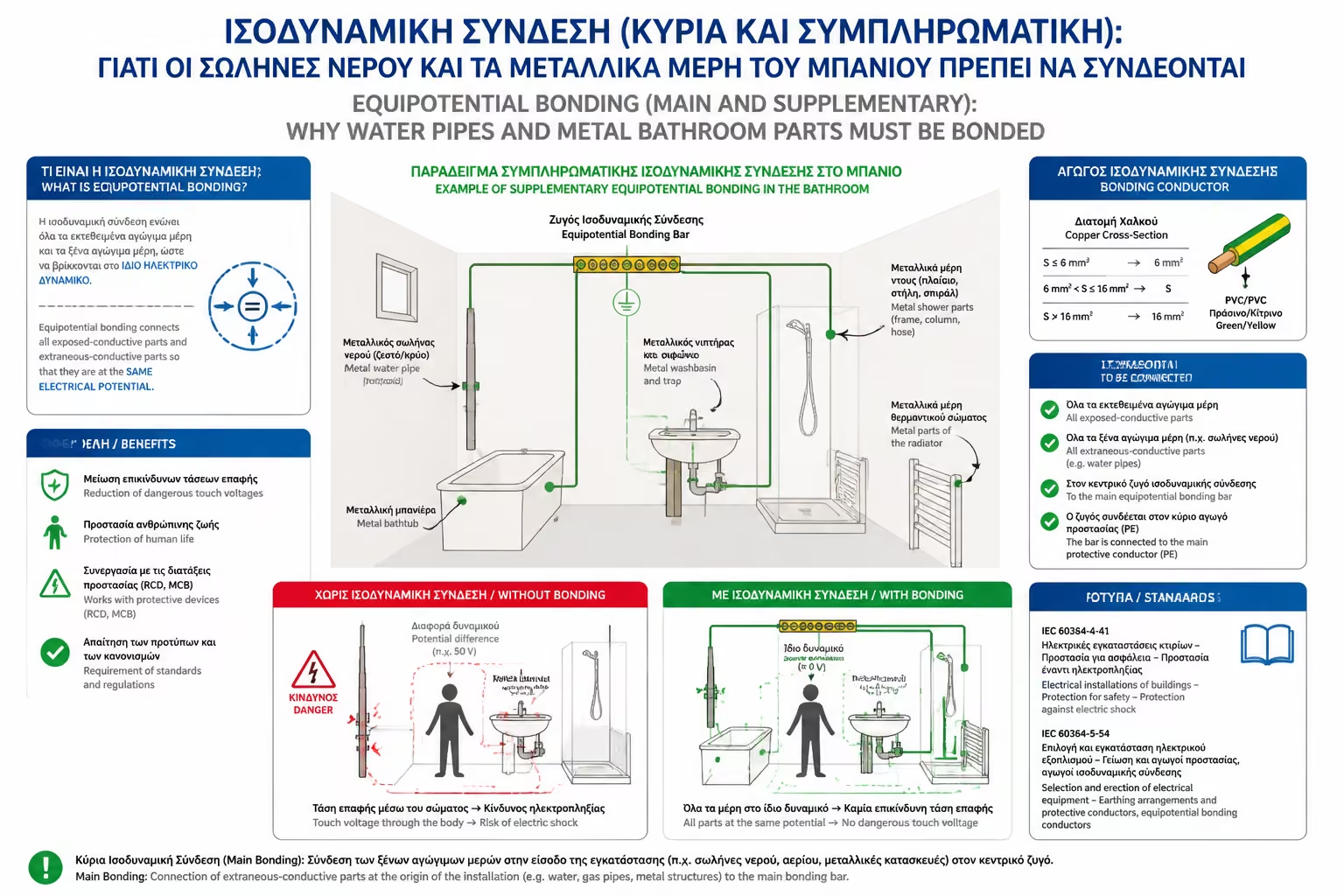
When two metal parts sit at different potentials, the person becomes the bridge.
It minimises voltage differences before the RCD even has to act.
One disconnects, the other reduces the hazardous scenario at source.
A wet body reacts much more severely even to relatively small voltages.
Incoming metallic services such as water, heating, gas and other major conductive systems are tied to the main earth bar. The goal is to stop any service from entering the building as an uncontrolled carrier of dangerous potential difference.
The main board or plant-room area therefore becomes the electrical equalisation hub of the entire property. Without clear organisation there, the rest of the bonding strategy loses much of its value.
Within the topic "Equipotential Bonding (Main and Supplementary): Why Water Pipes and Metal Bathroom Parts Must Be Bonded", the section "2. Main bonding organises the whole building at its base" is more than background information. It is a control point that determines whether the study, the site execution and the future maintenance of the work remain technically coherent and operationally reliable over time.
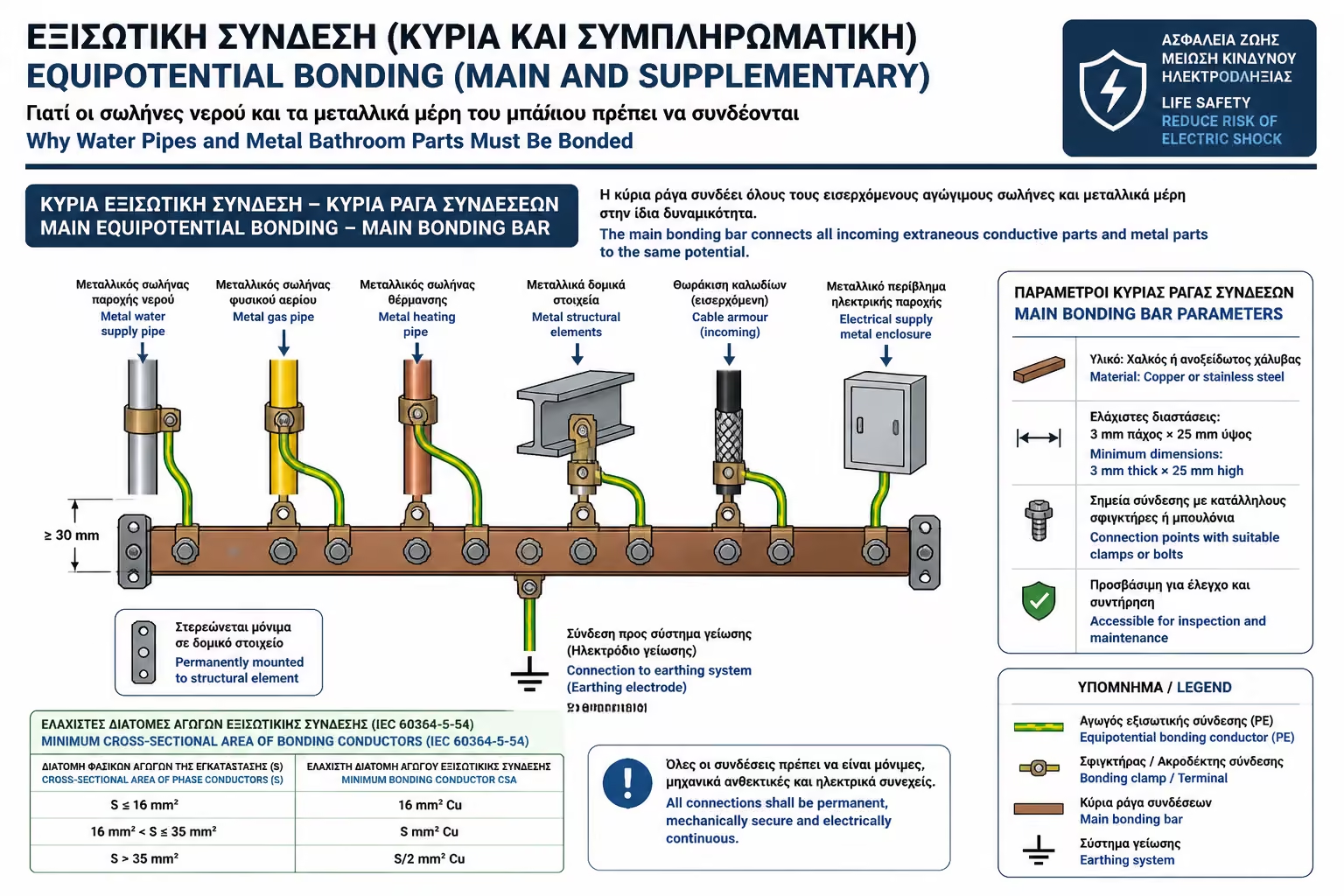
That is where the major conductive services are tied into the building earth.
Water, heating or gas lines may import voltage from outside.
Bonding conductors are selected with real rules, not site guesswork.
It often concentrates dense networks of metal services and equipment.
The bathroom is the clearest place where supplementary equipotential bonding becomes meaningful. Taps, metal frames, heated rails, possible metal bases and a person with very low body resistance all exist in the same small space.
By bonding those elements to a common protective reference, local touch voltages are reduced exactly where electric shock is most dangerous. This is not overdesign but life-safety detail.
Within the topic "Equipotential Bonding (Main and Supplementary): Why Water Pipes and Metal Bathroom Parts Must Be Bonded", the section "3. Supplementary bonding protects the bathroom and other local risk zones" is more than background information. It is a control point that determines whether the study, the site execution and the future maintenance of the work remain technically coherent and operationally reliable over time.
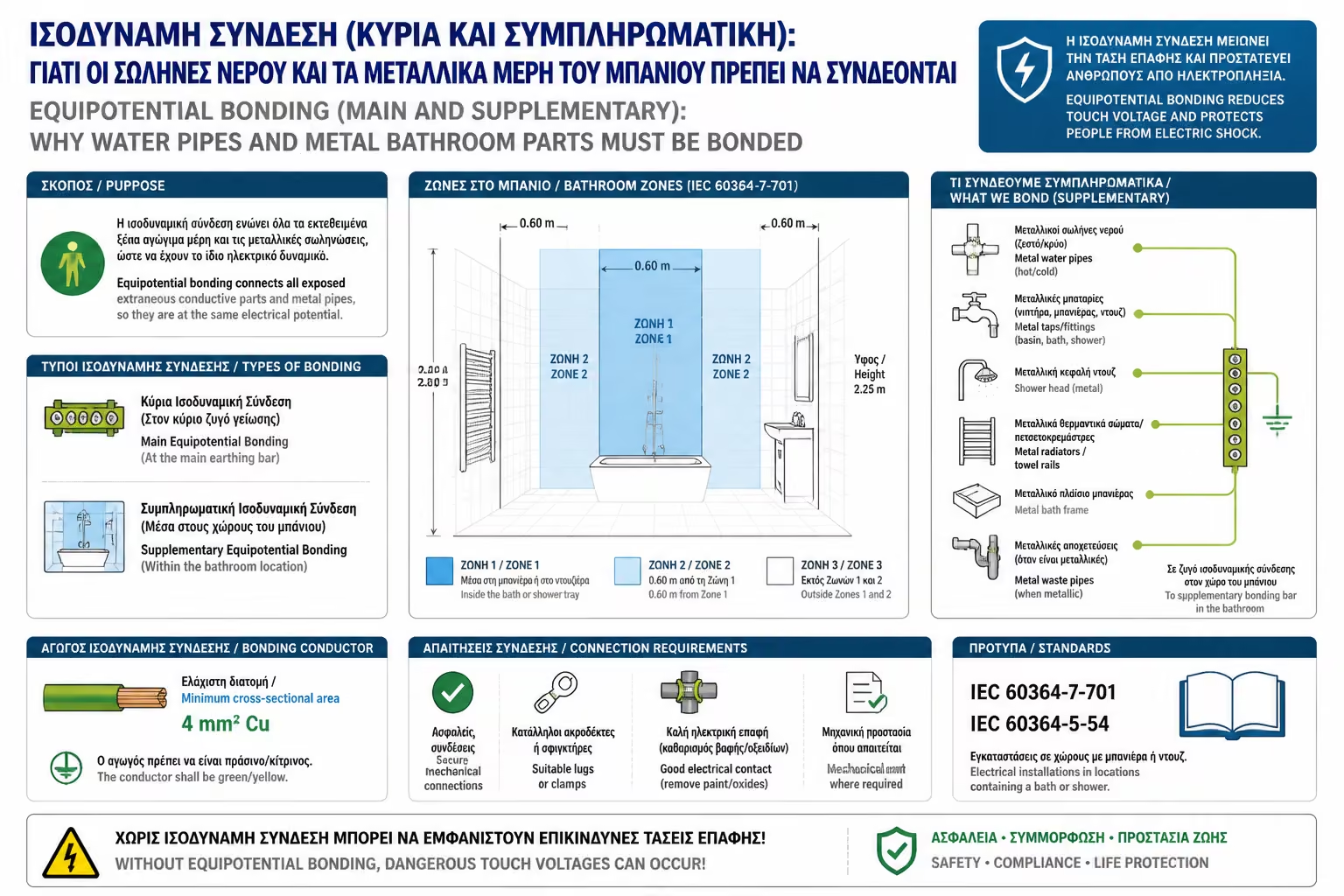
Moisture and direct body contact make the consequences more severe.
Any accessible conductive part may join a dangerous voltage difference.
They provide a reliable and inspectable connection to the pipework.
It does not replace the main earth but brings the logic into the risk zone.
In new or renovated homes, many plumbing systems are now plastic and therefore cannot carry current the way older metal networks could. That greatly reduces the number of foreign conductive parts requiring bonding.
Even so, that reduction does not remove the need for technical assessment. Metal bases, heated towel rails, electrically supplied fittings and mixed systems still require judgment. Bonding is not solved by blind recipes but by understanding the real room.
Within the topic "Equipotential Bonding (Main and Supplementary): Why Water Pipes and Metal Bathroom Parts Must Be Bonded", the section "4. Modern plastic pipe networks change the brief, but not the need for judgment" is more than background information. It is a control point that determines whether the study, the site execution and the future maintenance of the work remain technically coherent and operationally reliable over time.
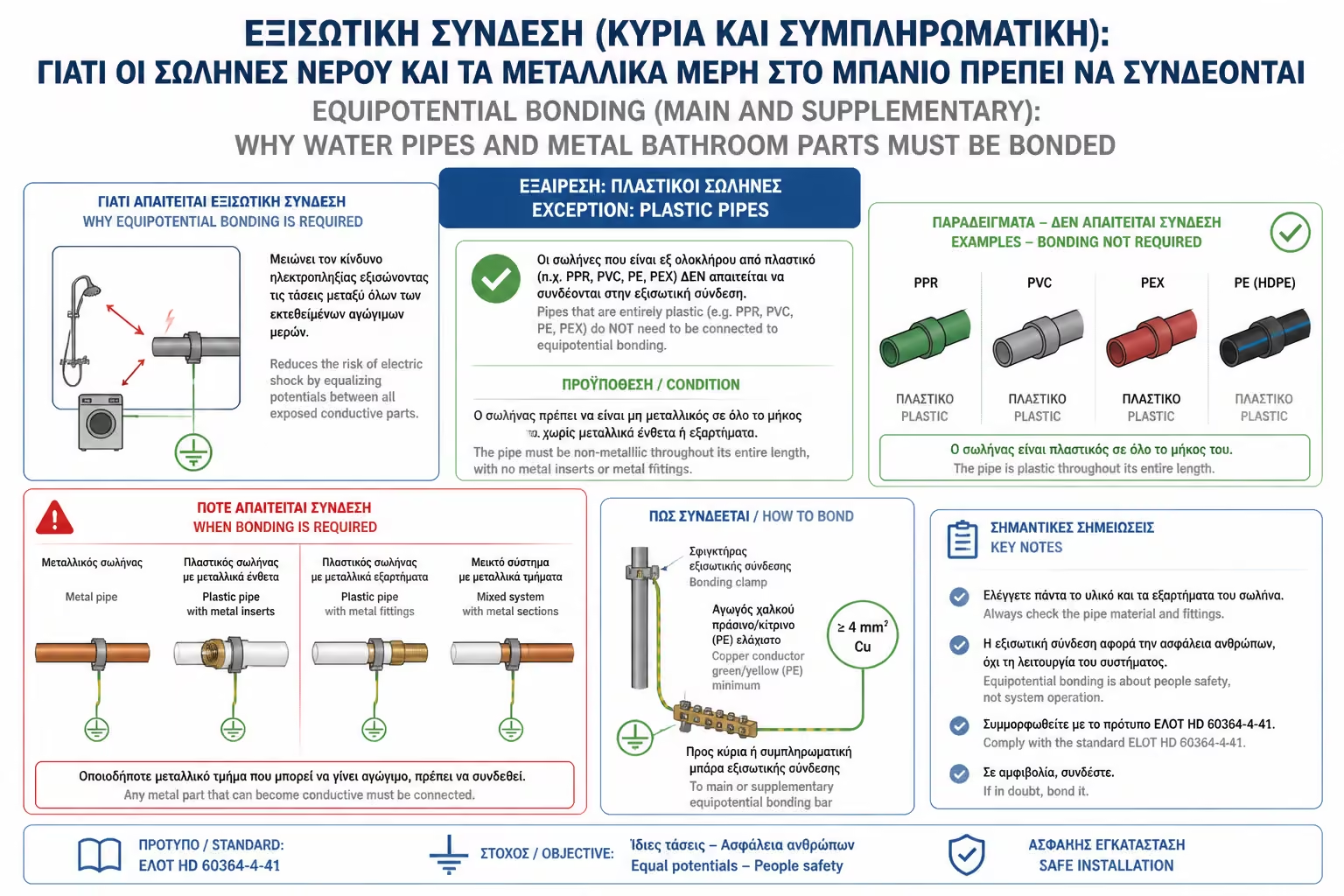
It does not import foreign potential the way metal pipework once did.
Any metallic section or powered equipment can create a new bonding need.
Old and new materials coexist and must be checked carefully.
No bathroom should be judged seriously by generic assumptions alone.
Return to category.
Go to categoryReturn to the central guide.
Go to guide