
The Ultimate Guide to Waterproofing a Walk-in Shower
Detailed guide to proper walk-in shower waterproofing, covering screed, slopes, drains, membranes, tiles, joints, mistakes and cost in Greece.
Read More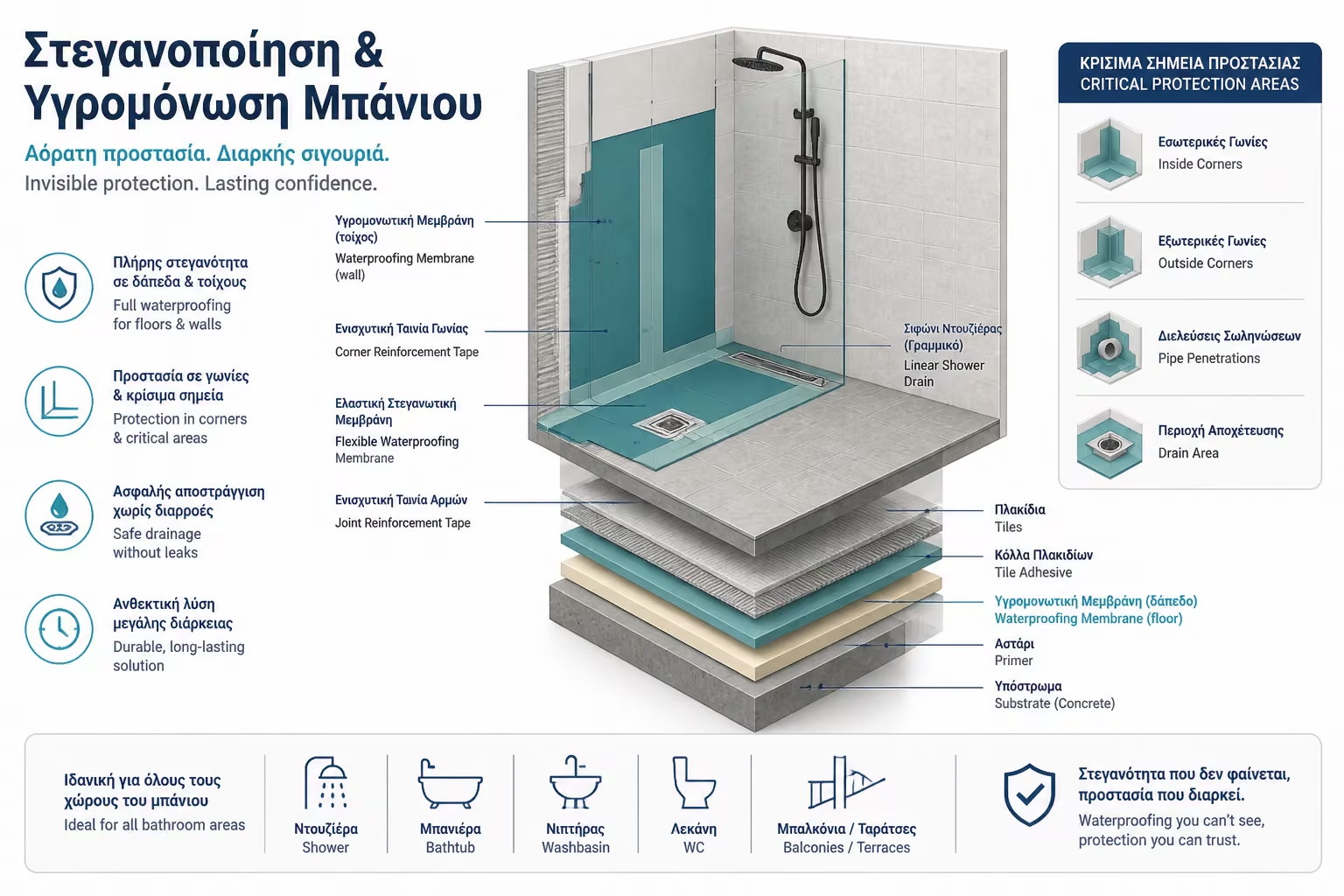
Lack of proper waterproofing is the number one cause of damage and expensive repairs in bathrooms. Water always finds a way, and if the layers beneath the tiles are not fully protected, moisture will sooner or later reach the masonry, the adjacent rooms or even the apartment below. This guide explores the science of bathroom waterproofing, from safe walk-in shower construction and the right choice of waterproofing materials to diagnosing hidden leaks without unnecessary demolition.
A flush walk-in shower is one of the biggest technical challenges in a bathroom. This section explains the correct construction practices so water flows to the drain and never into the walls.
Detailed guide to proper walk-in shower waterproofing, covering screed, slopes, drains, membranes, tiles, joints, mistakes and cost in Greece.
Read MoreDetailed comparison between fleece waterproof membranes and liquid-applied sealing materials for shower floors, including advantages, pitfalls, cost and correct selection.
Read More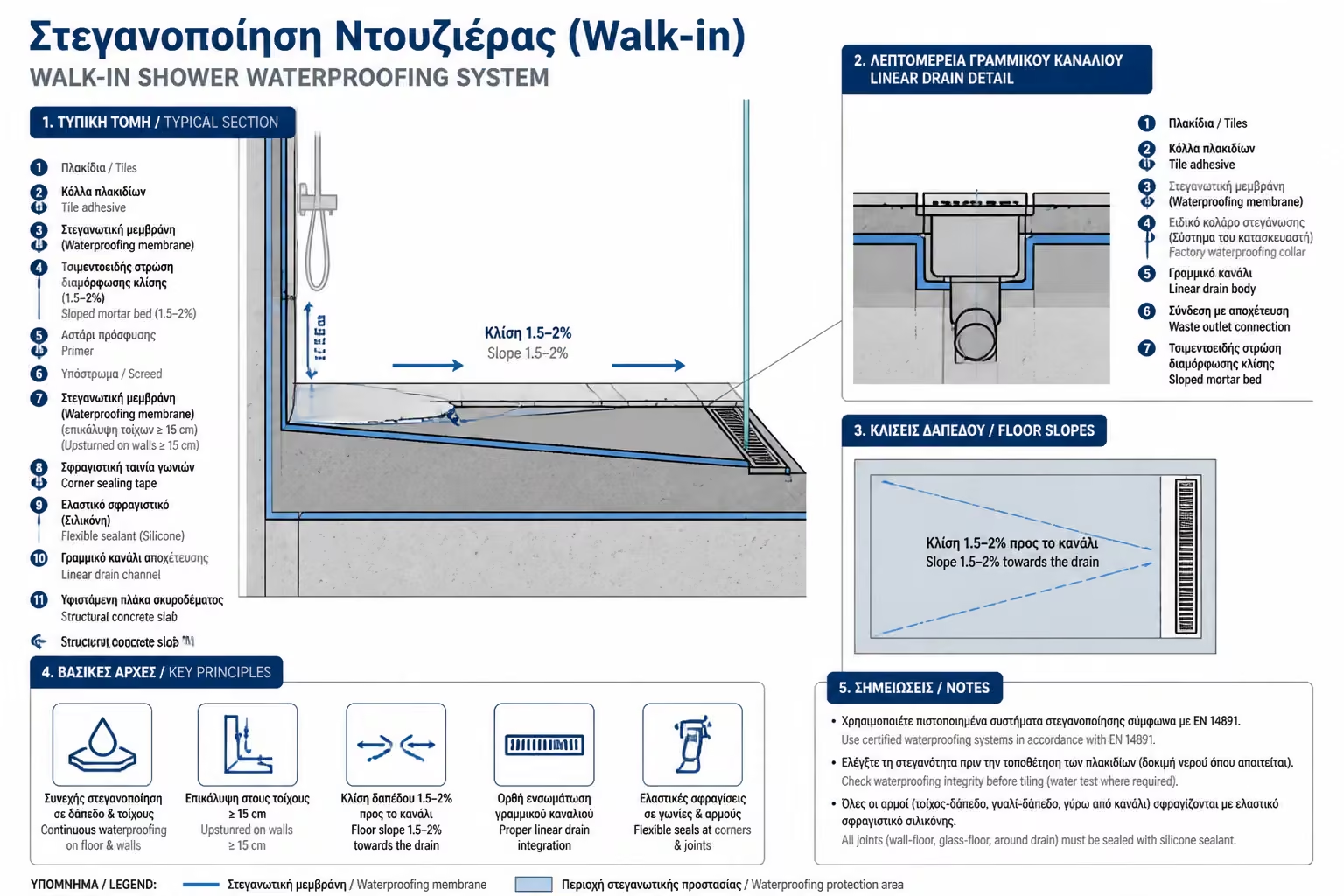
Detailed guide to properly waterproofing a linear drain in a walk-in shower, including the metal-to-floor junction, common leak-causing mistakes and pre-tiling checks.
Read MoreDetailed guide to shower slopes, screed and waterproofing, showing how they work together to prevent standing water, moisture and failures in walk-in bathrooms.
Read MoreDetailed guide to shower wall waterproofing, including why it should usually reach at least 2 metres, the importance of the mixer zone and the mistakes that lead to moisture problems.
Read MoreDetailed guide to building and waterproofing shower niches, including shelf slopes, membranes, corners, tiles, joints and the mistakes that let moisture into the wall.
Read MoreDetailed guide to curbless walk-in showers, including how to design continuous waterproofing when the shower floor is flush with the rest of the bathroom and which mistakes lead to moisture problems.
Read MoreDetailed comparison guide between prefabricated shower trays and built tiled showers, covering waterproofing differences, advantages, disadvantages, cost and leak risks.
Read MorePractical guide to the most common shower waterproofing mistakes, what to inspect before tiling, what to ask the installer and how to avoid moisture and leaks.
Read MoreDetailed guide to properly sealing a glass shower enclosure, including profiles, knee walls, glass, floor and wall interfaces without undermining the waterproofing system.
Read MoreCan a leaking shower be repaired without removing the tiles? Detailed guide to transparent polyurethane membranes, resins, joints, silicone, limitations and correct diagnosis.
Read MoreWaterproofing succeeds or fails based on material quality and strict application discipline. Here you will find the core systems and rules that lead to a properly sealed result.
Detailed guide to bathroom waterproofing materials. Comparison of cementitious, acrylic and polyurethane systems, advantages, disadvantages, ideal uses and practical pitfalls.
Read MoreDetailed guide to 1 and 2 component spreadable cementitious sealants. How to mix them, how to apply with a brush or roller, where the two components are superior and what to look out for in the bathroom.
Read More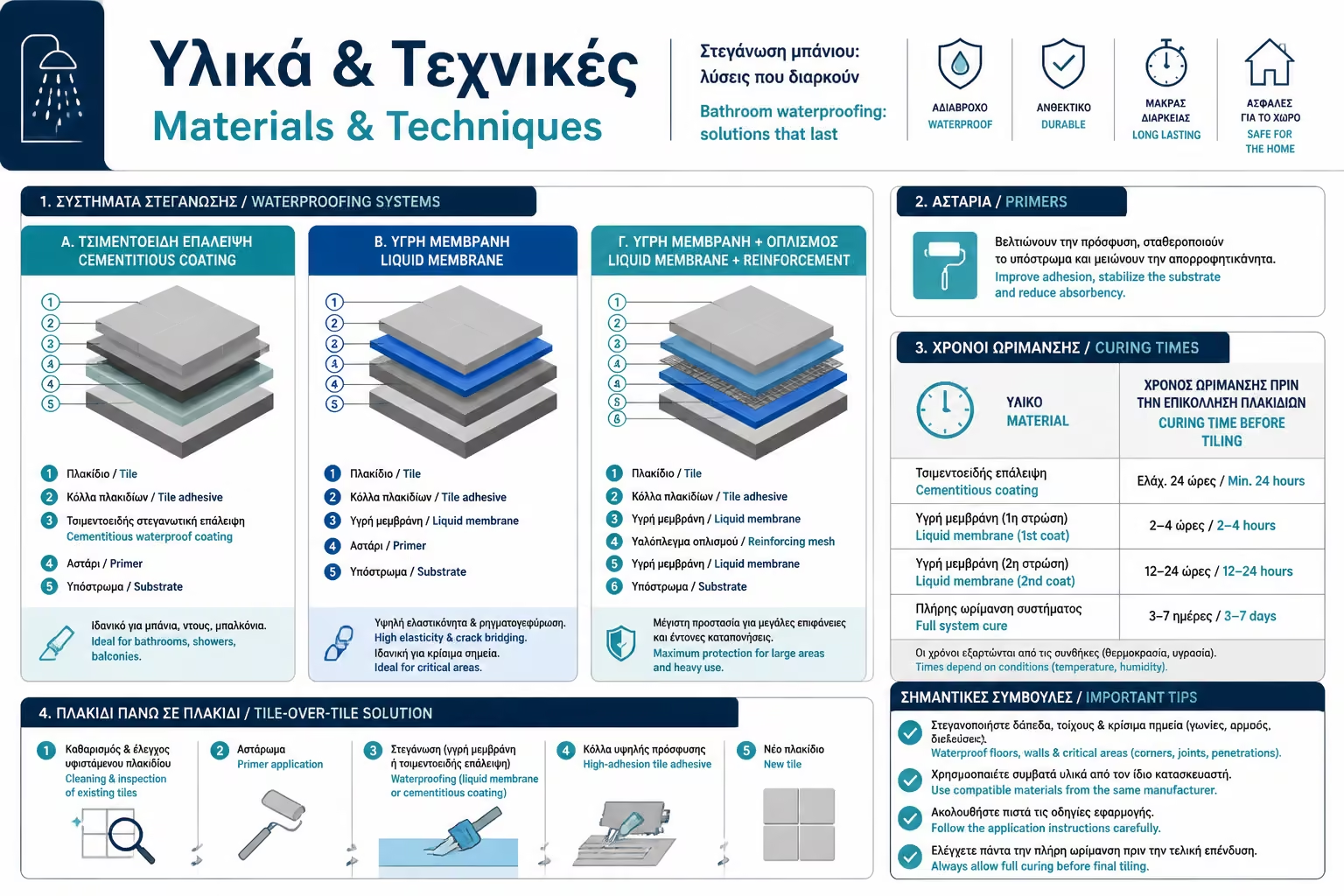
Detailed guide to liquid bathroom waterproofing membranes. Acrylic and polyurethane solutions, application, standing water resistance, elasticity, advantages, pitfalls and ideal uses.
Read MoreDetailed guide to the importance of priming before bathroom waterproofing. How it stabilizes dust, adjusts absorbency and ensures proper sealant adhesion.
Read MoreDetailed guide to waterproofing reinforcement with glass mesh. When is universal mesh framing required between the layers of the plaster, how is it applied and what mistakes cause cracking.
Read MoreDetailed guide to dry-build waterproofing in the bathroom: dry plasterboard, cement board, Aquapanel, joints, tapes, primers, membranes and proper procedure in the shower area.
Read MoreDetailed guide to waterproofing a bathroom over old tiles. When is it done without peeling, what is the role of the quartz primer, how are polyurethane spreads applied and what are the risks.
Read MoreDetailed guide for waterproofing a bathroom on wood or OSB. What are the challenges, why resilient systems are needed, when to avoid tiling and what to check before application.
Read MoreDetailed guide for the correct choice of tile adhesive over waterproofing. Why simple glue is not enough, what the C2TE S1 and S2 categories mean and how to avoid detachment in showers and bathrooms.
Read MoreDetailed guide for correct application of bathroom waterproofing: layer thickness, drying times, when to apply a second coat, why to cross the layers and when to put tiles.
Read MoreDetailed guide for professional waterproofing testing of the bathroom or shower floor before tiling. When is it done, how is it checked, how much water is needed and what mistakes to avoid.
Read MoreA waterproofing system is only as strong as its weakest detail. This section highlights the corners, penetrations and junctions where most leaks begin.
Practical guide to identifying the most vulnerable points in bathroom waterproofing. Where leaks usually start, what to check before tiling and what mistakes to avoid.
Read MoreDetailed guide to waterproofing corners in the bathroom and shower. Why simple spreadable materials crack in the corners, when sealing tapes are required and what should be checked before the tiles are installed.
Read More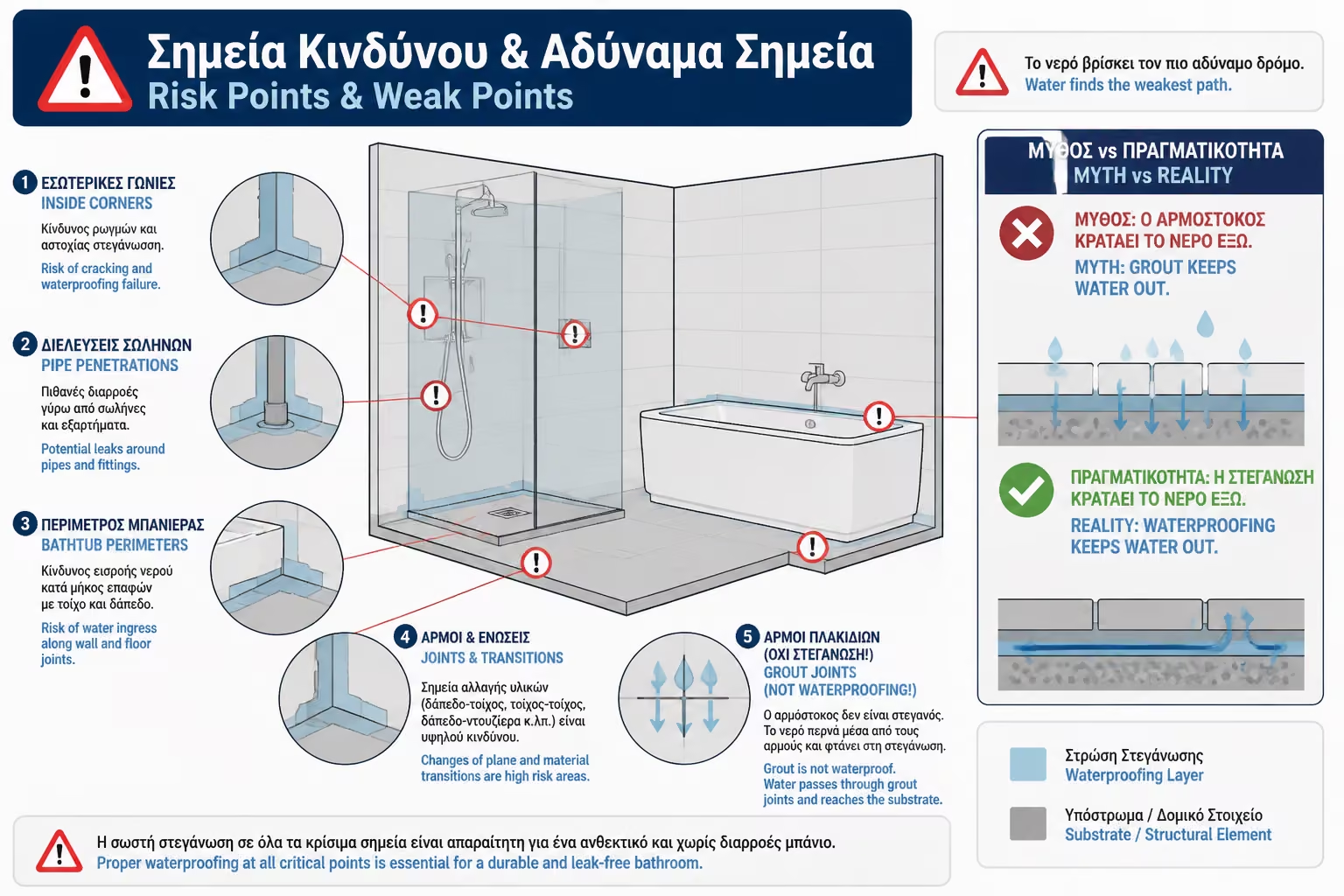
Detailed guide to waterproofing around water and drainage waits in the bathroom. How are pipes piercing the wall properly sealed with rubber collars, cuffs and rosettes before the tiles are installed.
Read MorePractical guide for the correct connection of siphon with cement mortar and waterproofing. How to avoid leaks at the most critical drainage point, with sealing gaskets, rubber mastics and proper application before tiling.
Read MoreDetailed guide to the great myth of grout in the bathroom. Why even expensive water-repellent grout does not replace waterproofing and why water can pass under the tiles.
Read MoreDetailed guide to comparing epoxy and cementitious grouts for bathrooms, showers and floors. When is the epoxy joint worth it, what are the advantages, disadvantages and why it does not replace waterproofing.
Read MoreDetailed guide to properly sealing the joint between a bathtub or porcelain shower and wall tile. How to avoid hidden water, mold, silicone peeling and leaks under the base.
Read MoreIn-depth guide to bathroom silicones: difference between acid and neutral silicone, where they are used, how to apply them correctly to the edges and how to avoid mold tan.
Read MoreDetailed guide to waterproofing the bathroom door threshold. How the marble skirting acts as a water barrier, how it connects to the waterproofing of the floor and how wooden hallway floors are protected in the event of a leak or flood.
Read MoreDetailed guide to bathroom windows inside the shower area. How to waterproof windowsills, cases and joints that get wet every day, what materials are needed and what mistakes cause dampness.
Read MoreDetailed guide to the combinations of different materials in the bathroom. How we manage expansions and moisture in the places where the tile meets wood, aluminum profile or pressed cement mortar.
Read MoreWhen moisture appears, panic is the worst advisor. Here you will learn how to identify the likely source, how to use modern inspection methods and how to understand the insurance and liability side of a leak problem.
Practical guide to reading the signs of dampness in the bathroom: swollen paint, black spots, white salts in the joints, musty smell and what each symptom indicates.
Read MorePractical guide to diagnosing moisture in a wall behind a bathroom, bedroom or hallway. How to tell apart a broken pipe, poor shower seal, leaking drain, condensation and rising damp.
Read More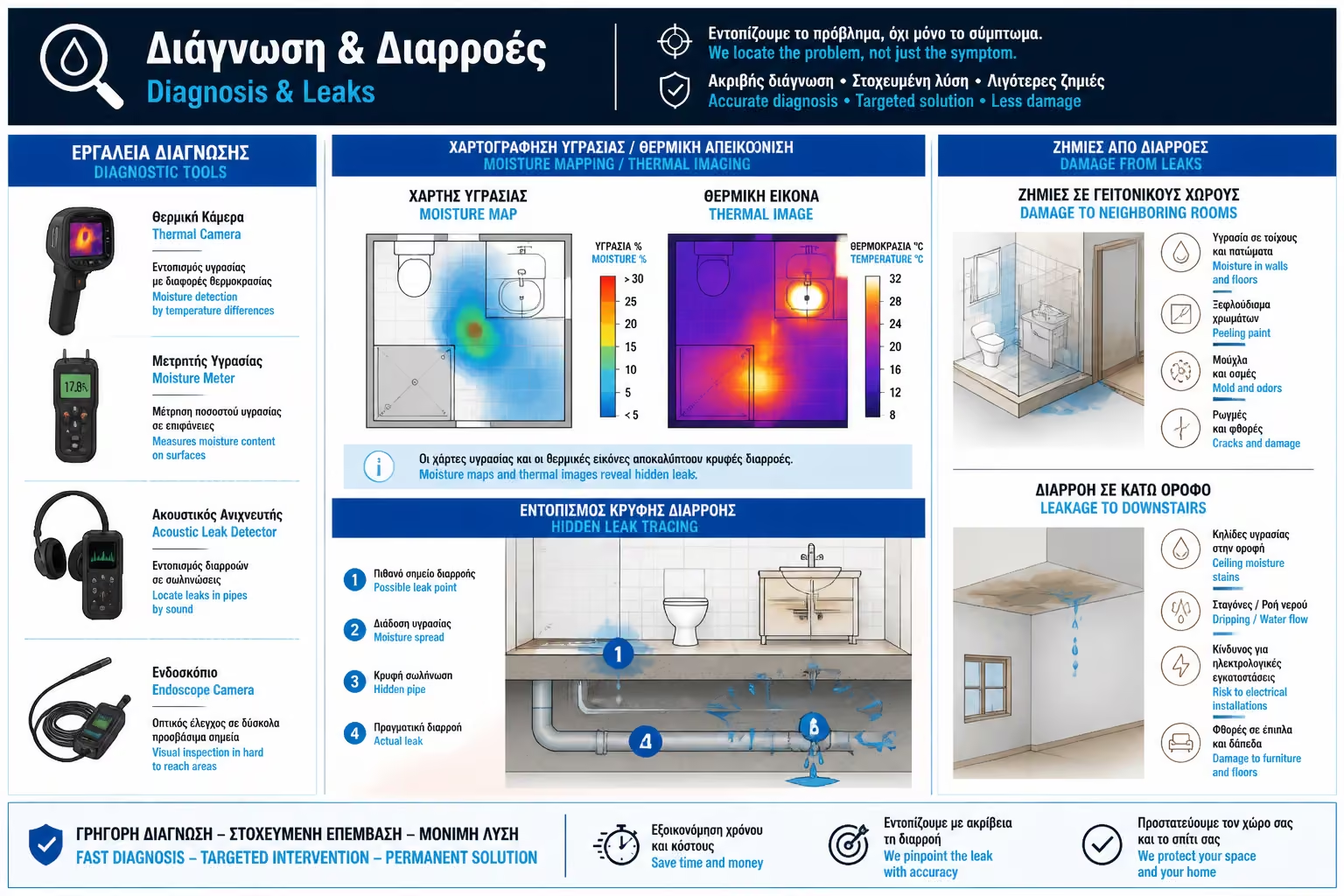
A practical guide to a basement ceiling leak in a block of flats. How to identify if joints, siphon, drain or central piping are at fault and who is usually responsible for repair.
Read MoreA practical guide to distinguishing whether a bathroom leak is from a pressurized water pipe or a drain that only leaks when the bathroom is in use.
Read MoreA practical guide to the basic hidden leakage test in the water mains. How do we check the water meter, what does it mean if it keeps writing and what mistakes should we avoid.
Read MoreA practical guide to thermal imaging and infrared imaging in leak detection. How they help non-destructively check hot water pipes, moisture behind tiles and leaks without unnecessary knocks.
Read MoreA step-by-step guide to using contact and spike hygrometers in diagnosing bathroom leaks. How to map the spread of water under tiles, in plaster and underlay, and how to locate the focus of damage.
Read MoreA practical guide to dye testing in bathroom leaks. How special harmless dyes are used in the drain, siphon or shower joints to identify where the water is coming from.
Read MoreStep-by-step guide to visual inspection of bathtub siphons and valves. Because every built bathtub needs a visit box for leak checking, cleaning and maintenance without breaking tiles.
Read MoreA practical guide to distinguishing whether water drops on tiles, walls and ceilings are due to condensation from poor ventilation or a real leak.
Read MoreHow a small crack in the silicone or shower joint can allow water to seep behind the tiles and cause damp, mold and damage to the masonry over time.
Read MorePractical guide to home insurance and water damage. What do broken pipes, investigative work and water loss mean, and how to properly prepare a technical report for compensation.
Read MoreReturn to the full bathroom guide to browse all thematic sections of the pillar.
Go to the guideIf you're planning a bathroom renovation, technical upgrade or design refresh, contact us for expert guidance.
Contact us