
The 3 Levels of Lighting in the Bathroom
Detailed guide to the right bathroom lighting: general lighting, mirror lighting and ambient/hidden lighting. What to look for in security, cost, IP protection and practical use.
Read More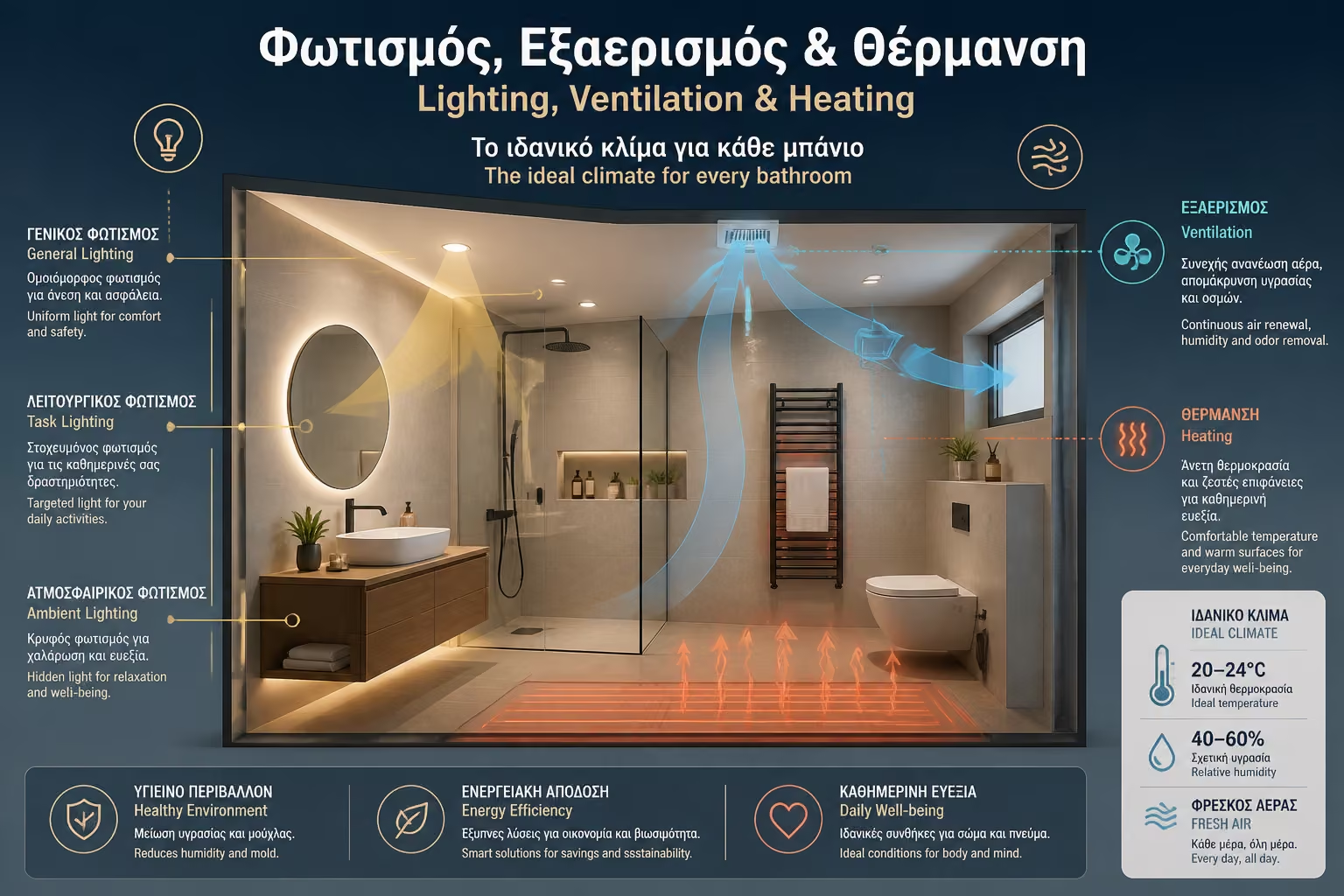
The conditions inside a bathroom, from light quality to air movement and temperature, are what transform a basic sanitary room into a personal place of comfort. These three systems must work together. Lighting has to be practical enough for shaving or makeup, but also calm enough for evening use. Ventilation must remove steam before it becomes mold and material damage. Heating must keep the room comfortable while also helping control condensation. In this guide, you will learn how to choose safe fixtures, size extraction and heating correctly, and protect the bathroom from its most persistent enemy: moisture.
The bathroom has a dual role. It is a preparation space that needs strong, realistic light, but also a decompression space that benefits from a softer atmosphere. Learn how to layer light correctly, choose the right color temperature, and respect safety requirements near water.
Detailed guide to the right bathroom lighting: general lighting, mirror lighting and ambient/hidden lighting. What to look for in security, cost, IP protection and practical use.
Read MorePractical guide for correct bathroom mirror lighting. How to avoid harsh shadows on the face, why the light from above is not enough and what to pay attention to in sconces, LED mirrors, color temperature and installation.
Read More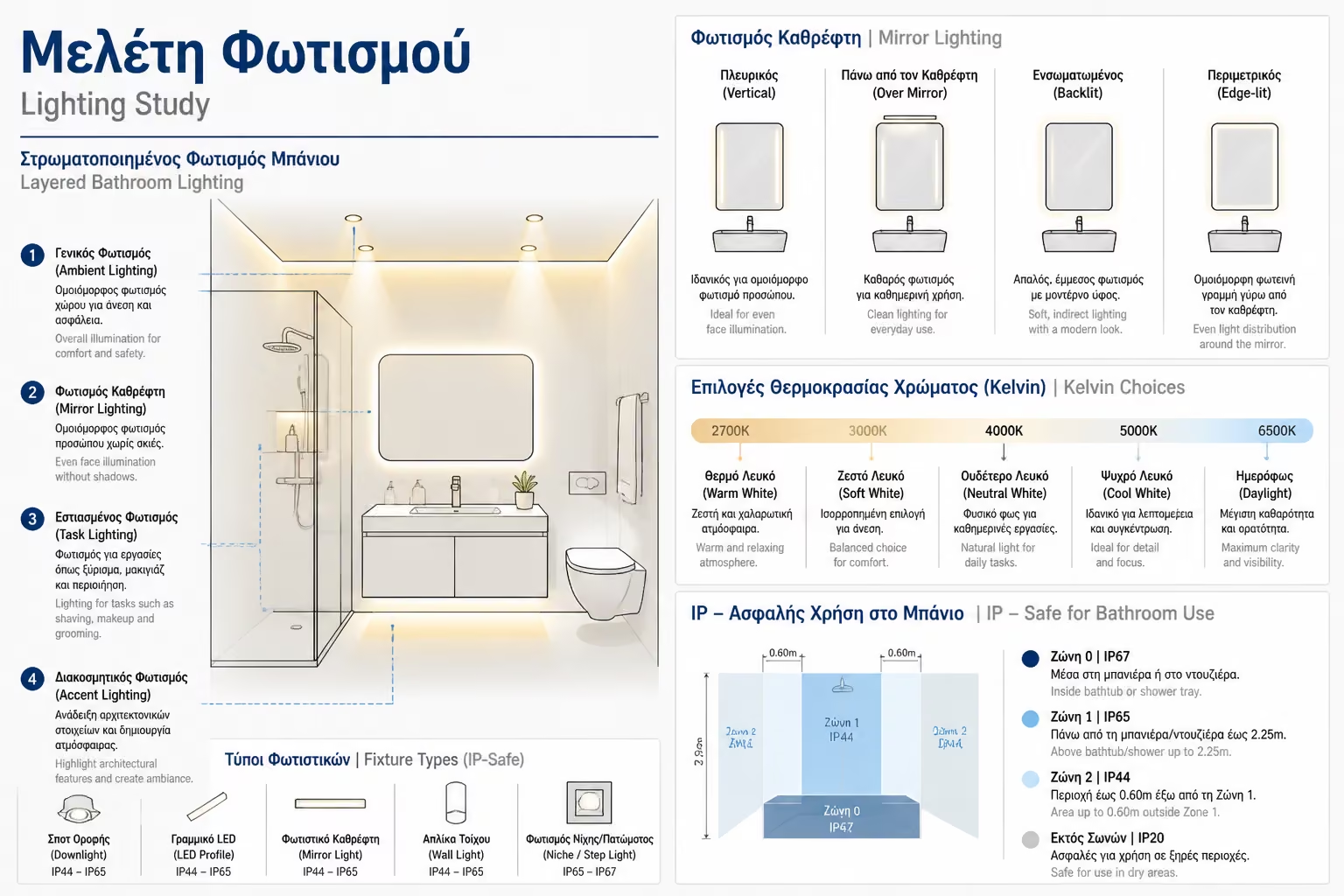
Detailed buying guide for bathroom mirrors with built-in LED. Differences between backlit and frontlit lighting, what backlit lighting offers, when perimeter sandblasting is needed and what to look out for before installation.
Read MoreDetailed guide to Kelvin color temperature in the bathroom. When do we choose 3000K, 4000K or cold light, what is ideal for makeup and shaving and what mistakes alter the image of the space.
Read MoreDetailed guide to the CRI color rendering index of bathroom lamps and LEDs. Because it affects makeup, shaving, tiles and the real image of the space.
Read MoreDetailed guide to IP ratings on bathroom lighting. What IP44 and IP65 mean, what are the zones around the shower and bathtub and what the owner should check before installation.
Read MoreDetailed guide to hidden LED lighting in the bathroom. Ideas for lighting under hanging furniture, behind mirrors, in false ceilings and alcoves, with practical advice on IP protection, power supplies, costs and correct installation.
Read MoreDetailed guide for illuminated recesses in the shower with waterproof LED profiles. How to properly design a shampoo niche, what IP67 means, where does the driver fit in, what to look out for in sealing, cost and security.
Read MoreDetailed guide to safe lighting inside the shower cubicle. What to look for in IP65/IP67 waterproof spots, low voltage 12V/24V, driver, bath zones and color therapy systems in the shower head.
Read MoreDetailed guide to dimmers in the bathroom. How the intensity setting changes the feeling of the space, what to look out for in LEDs, drivers, flicker, smart dimming, IP protection and safe installation.
Read MoreDetailed guide for a night light in the bathroom with a motion sensor. How to design low-profile recessed lighting that turns on automatically at night without blinding, without disturbing, and with proper electrical safety.
Read MoreDetailed guide to pendant lights and chandeliers in the bathroom. When is a pendant allowed above a free bathtub, what applies to safety belts, IP protection and electrical installation.
Read MoreDetailed guide to windowless bathrooms. How natural light enters a blind bathroom with skylights, skylights, glass bricks and smart lighting solutions, what to pay attention to in terms of permits, waterproofing, ventilation and costs.
Read MoreA steam-heavy room cannot function properly without effective ventilation. Opening a window is not always enough, especially in winter or in interior bathrooms. Here you will learn how to size an extractor fan correctly, compare fan types, and understand why humidity-sensing systems are one of the smartest upgrades you can make.
Detailed guide to choosing a bathroom fan. Differences between axial, centrifugal and in-line fans, when each type is suitable, what to look out for in pipes, noise, humidity, cost and installation.
Read MoreDetailed guide to calculating bathroom fan flow in m³/h. How you calculate bath volume, how many air changes are needed, when to increase flow and why ducting affects actual performance.
Read More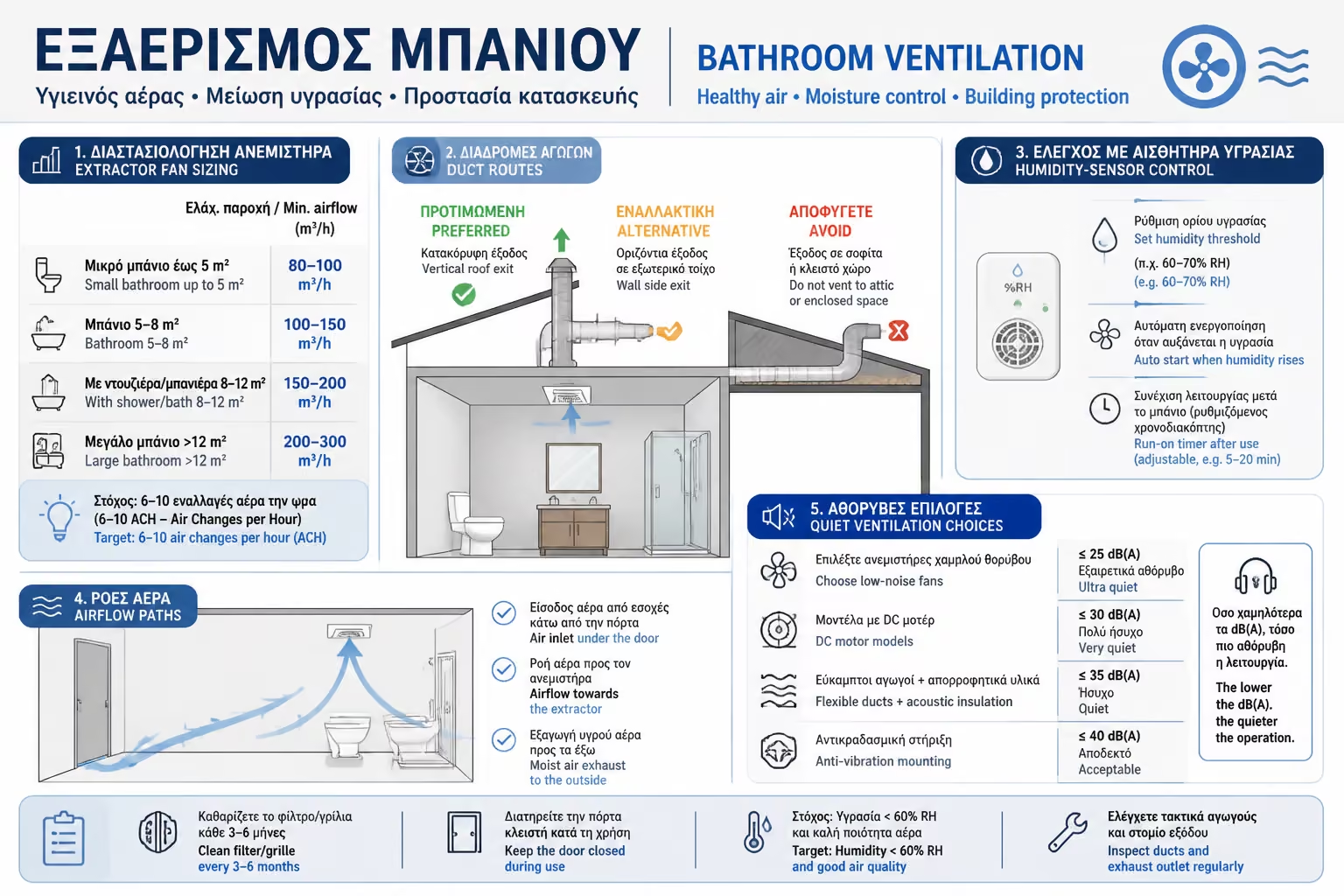
Detailed guide to the correct installation position of a bathroom fan. When does it enter a wall, suspended ceiling or glass, why does it need air intake from the door and how is a proper cross-ventilation current created.
Read MoreDetailed guide to silent bathroom fans. What do decibels mean in technical specifications, what noise level is considered comfortable, what causes humming and how to choose the right fan without annoying noise.
Read MoreA step-by-step guide to bathroom ventilators with a humidity sensor. How the hygrostat works, when the fan turns on and off, what to look for in settings, noise, m³/h, ducting and installation.
Read MoreA step-by-step guide to time-delayed bathroom fans. How are they connected to the light switch, why do they continue to work after the exit, what wiring is needed and what to look out for in terms of timer, noise, humidity and safety.
Read MoreDetailed guide to bathroom fan ductwork. Differences between flexible aluminum pipes and rigid PVC pipes, why many angles and long length reduce efficiency and how to plan the route correctly.
Read MoreA step-by-step guide to concealed in-line bathroom vents. When is a professional ceiling solution worth it, how is noise reduced, what to look out for in air ducts, access, m³/h, timer, hygrostat and installation.
Read MoreDetailed guide to check valves in bathroom ventilation. How do they block cold air, lamp odors and insects, what types are there, where are they placed and what to look out for in the installation.
Read MoreDetailed guide to the most common mistake in bathroom ventilation: the closed door without a vacuum. Why the ventilator needs fresh air, how much space should be under the door and what solutions are there without losing privacy.
Read MoreDetailed guide for installing a bathroom fan on a glass or window. When it is done, when new glass is needed, what applies to single, double and tempered glass, what mistakes to avoid and what alternatives are there when a hole is not opened in the wall.
Read MoreDetailed guide to bathroom fan cleaning and maintenance. How to safely remove the cap, how to clean the impeller from dust, what to look for in the motor, return and air duct.
Read MoreMold is not just a cosmetic problem. It threatens health, finishes, and the long-term condition of the bathroom. This section explains the science of condensation, how to deal with mold at the source, and how to maintain cleaner, healthier indoor air without relying blindly on harsh chemicals.
In-depth guide to the science of bathroom humidity. Why mirrors, windows and walls in the shower sweat, what the dew point is, how mold forms and how ventilation, heating and insulation help.
Read MoreDetailed guide to black mold in the bathroom. What are the real health risks, how is it linked to allergies, asthma and respiratory problems, who is most at risk and why it needs to be addressed immediately.
Read More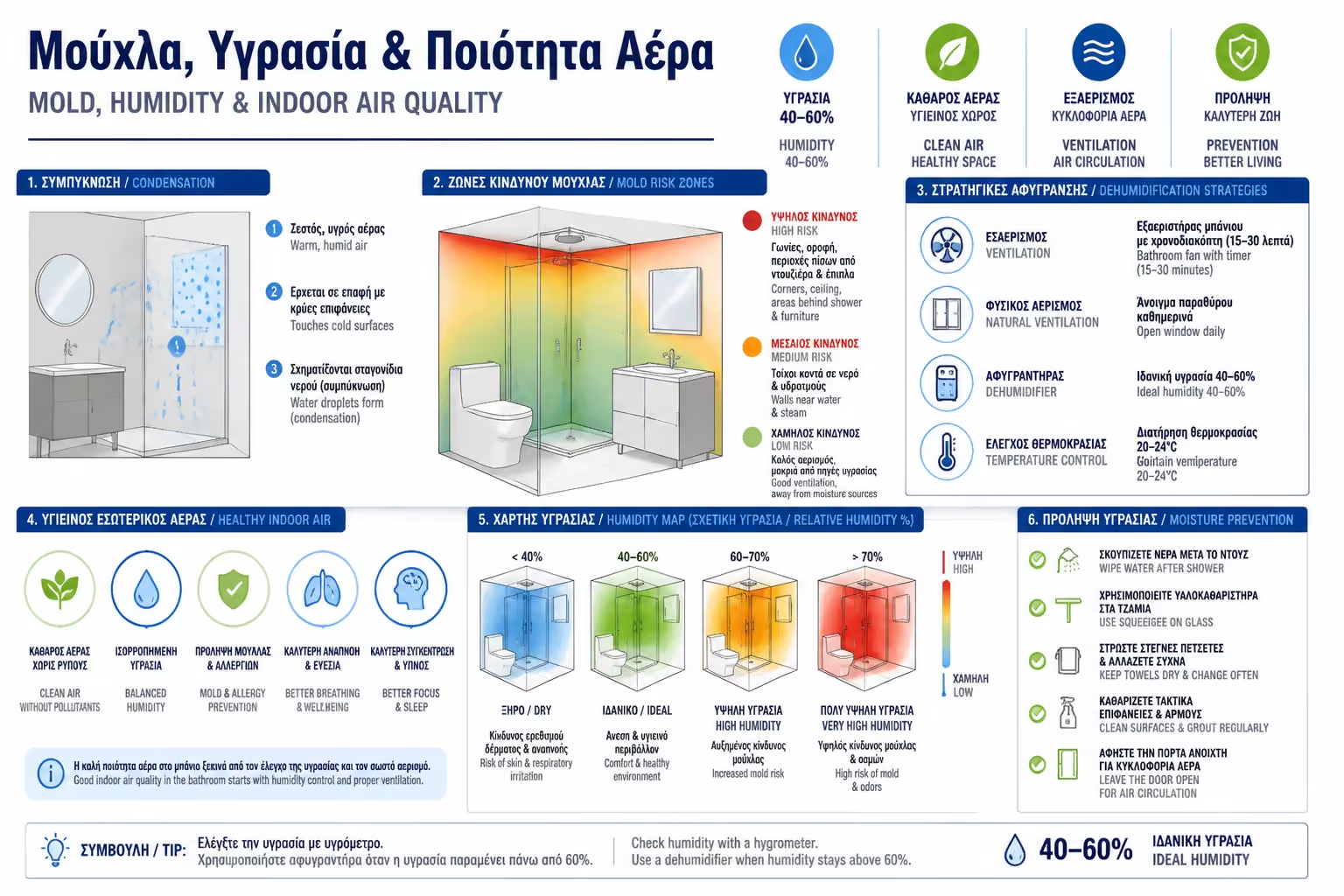
Detailed guide to removing mold from bathroom silicones and joints. Why bleach often whitens the surface without solving the root problem, what alternatives are there, and when silicone replacement is needed.
Read MoreDetailed guide to dealing with mold on the bathroom ceiling. Safe cleaning, use of fungicidal liquids, surface preparation, primer and special anti-mold paint for a correct result.
Read MoreDetailed guide to buying a dehumidifier for bathrooms and wet areas. Differences between compressor and zeolite dehumidifiers, which one performs better in a cold bath, what to look out for in safety, consumption, moisture and mold.
Read MoreDetailed safety guide for dehumidifiers and electricity in the bathroom. Where the device is allowed to be placed, what IP rating means, why most portable dehumidifiers do not fit in the bathroom and how to avoid short circuits and electric shocks.
Read MoreDetailed guide to passive salt or crystal moisture collectors. How do plastic boxes with tablets work, where do they really work, where are they not enough and when are they a good low-budget solution for small WCs and bathroom cabinets.
Read MoreDetailed guide to indoor plants in the bathroom. Which plants tolerate humidity, which ones suit small and blind bathrooms, what really applies to moisture absorption and air quality.
Read MoreDetailed guide to musty and musty bathroom smells. How to locate the hidden source under the sink, behind furniture, in the light fixture or faucet and how to neutralize odors permanently.
Read MoreDetailed guide to the role of heating in preventing damp in the bathroom. Why a cold bathroom creates condensation, how a towel rail helps, and why heating and ventilation must work together.
Read MoreDetailed guide to ecological bathroom cleaning without heavy chemicals. Recipes with baking soda, white vinegar, peroxide and essential oils, what they really clean and when regular sanitizing is needed.
Read MoreA cold bathroom is uncomfortable and more vulnerable to condensation-related damage. Correctly sizing the heating demand is essential. From towel radiators and electric underfloor heating to infrared panels and smart thermostats, this section helps you choose the right heat source for your space and use pattern.
Detailed buying guide for bathroom heated towel rails. Differences between hydraulic, electric and mixed operation, cost of use, advantages and choice according to gas boiler, oil or heat pump.
Read MoreDetailed guide to calculating the power of a bathroom heated towel rail. How many Watts or BTUs the space needs, how insulation, window, exterior walls and heat pump affect it, and when the towel rail is sufficient as the main body.
Read More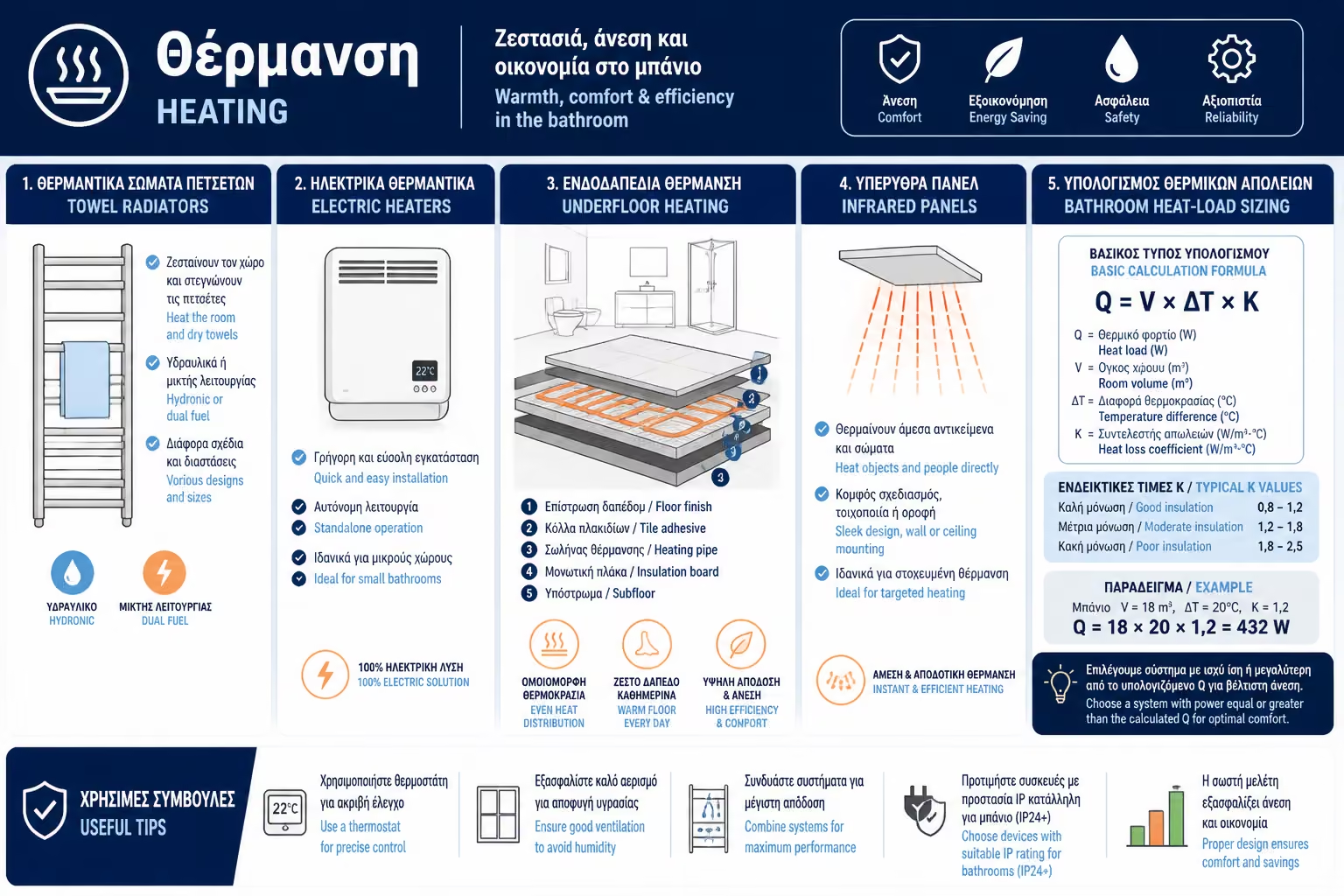
Detailed guide to the safe installation of an electric towel rail in the bathroom. What do the IP indicators mean, what are the bathroom zones, what does the logic of ELOT HD 60364-7-701 predict and why is a licensed electrician required.
Read MoreDetailed guide for electric underfloor bathroom heating with thermal cables or grids. How they are installed under the tiles, what applies with tile adhesive, thermostat, running costs, waterproofing and electrical safety.
Read MoreDetailed guide for hydraulic underfloor heating in the bathroom. Central system connection, screed thickness, response time, collector, heat pump, boiler and drainage pipe passages.
Read MoreDetailed guide to infrared heating panels in the bathroom. How bodies and surfaces heat up, when they save electricity, what applies to poor ventilation, humidity, IP rating and electrical safety.
Read MoreDetailed guide to heated mirrors and infrared heated mirrors in the bathroom. How they work, when they can heat the room, what applies to dimming, consumption, IP rating and electrical safety.
Read MoreDetailed guide for wall-mounted bathroom air heaters. How they provide direct heat, what IP24 means, where they are allowed to be placed, what are the safety limits and why proper electrical installation is required.
Read MoreDetailed guide to classic panel radiators and Akan in the bathroom. Why are they removed in modern renovations, when do they rust, how do we protect them with anti-rust primers and special radiator paints and when is it worth replacing.
Read MoreDetailed guide to smart bathroom thermostats. How to set electric underfloor heating or electric towel rail from a mobile phone, programs for 24°C in the morning, floor sensors, timer, consumption and safety.
Read MoreDetailed guide to the role of heating in bathroom mold prevention. Why cold walls cause condensation, how constant gentle heating helps and why it should always be combined with proper ventilation.
Read MoreDetailed guide to heat losses from bathroom windows. Why an old or poorly insulated frame cancels the heating, what role do aluminum with a thermal break, PVC and double energy crystals play.
Read MoreReturn to the full bathroom guide to browse all thematic sections of the pillar.
Go to the guideIf you're planning a bathroom renovation, technical upgrade or design refresh, contact us for expert guidance.
Contact us